The Healing Power of Being Seen: Support After Miscarriage and Infertility

Written by Yulia Osoyanu

October 26, 2025

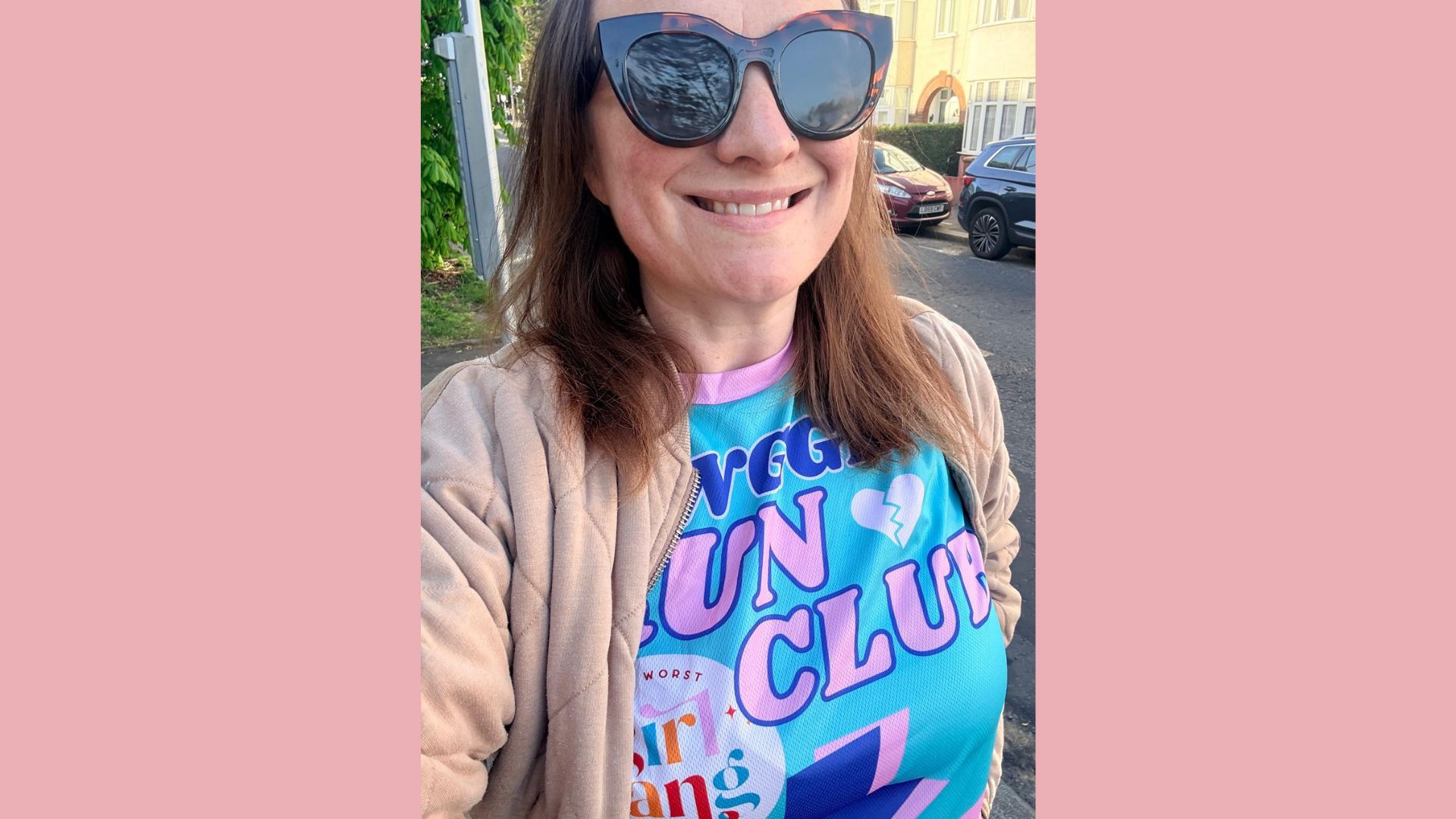
The Healing Power of Being Seen: Support After Miscarriage and Infertility Image

Miscarriage and infertility are far more common than most people realise. According to the World Health Organization, around 15% of pregnancies end in loss, and the true number is likely higher because many countries still do not record early miscarriages consistently. Yet despite how widespread pregnancy loss is, many women walk through it feeling completely alone.

For decades, miscarriage and perinatal loss were rarely spoken about. Even ten years ago, the topic was almost entirely taboo. Today, we are beginning to see more open conversations, more books, and more communities addressing this experience. But the silence of the past has left a long shadow. Many women still feel they have no space to share their grief or ask for support.

The Invisible Loss

What makes perinatal loss so uniquely painful is that, unlike the loss of an adult, it often comes without rituals, shared mourning, or meaningful social acknowledgement. When someone loses a parent or a friend, the world recognises their grief. There are ceremonies, traditions, and people who knew the person who passed away. Even when the pain is deep, it is held collectively.

But with miscarriage, whether at seven weeks or seven months, there is usually no one who knew the baby except the mother. She felt the early signs of pregnancy, imagined futures and plans, and formed emotional attachment long before anyone else did. When the pregnancy ends, she loses not only a potential child but also the hopes and dreams that had already begun to take shape.

Yet society often minimises this loss with phrases such as:

“Don’t worry, it was only 12 weeks.”

“You’ll try again.”

“You didn’t even meet the baby.”

These comments can be deeply painful. Many women describe feeling as if their grief does not count. The loss becomes invisible, and so does their pain.

Why Silence Makes Recovery Harder

When loss is not acknowledged, women often internalise their emotions. They may feel isolated, ashamed, or unsure whether their grief is normal. Many experience an overwhelming sense of guilt, even though miscarriage is almost never caused by anything the mother did or did not do. This guilt is one of the most common emotional reactions, yet one of the hardest to speak about. Without a safe space to express these feelings, grief can become heavier and lonelier.

The Role of Therapy and Coaching Together

Therapy and coaching both offer compassionate, structured support for anyone navigating miscarriage or infertility. Both create a safe emotional space where every feeling is allowed. Sadness, guilt, anger, jealousy, fear, confusion, exhaustion, hope, and even numbness are met with understanding rather than judgement.

Professionals who specialise in fertility and perinatal loss help women see that the guilt they feel is a natural part of grieving, not evidence of wrongdoing. They help normalise emotional reactions, reduce feelings of isolation, and offer tools for coping with stress, trauma, and decision fatigue. They can also help women prepare emotionally for future pregnancies if and when they decide to try again.

Therapists and coaches bring different strengths, but both play an important role in helping women feel seen and supported as they rebuild their emotional stability and confidence.

The Power of Community: Why Support Groups Matter

Support groups, such as the community created by The Worst Girl Gang Ever, offer something irreplaceable: connection with others who truly understand. No explanations. No minimising. No shame.

Being in a room, whether virtual or in person, with people who have experienced miscarriage or infertility breaks the sense of isolation. Women realise they are not the only ones who felt angry at pregnant friends, terrified of trying again, or overwhelmed by sadness months later. Hearing stories that mirror their own brings comfort, validation, and genuine relief.

Community does not erase the pain, but it transforms it from a silent burden into a shared experience that is witnessed and held.

You Do Not Have to Carry This Alone

Miscarriage is heartbreaking, and infertility is exhausting. But healing becomes possible when women are seen, heard, and supported. Whether through therapy, coaching, or a compassionate community, connection is what helps us move forward with both softness and strength.

If you are grieving a loss, please remember that your emotions are valid, your story matters, and you deserve support on this journey.

A Note About Me

I’m Yulia Osoyanu, a fertility coach and women’s health practitioner. My work is shaped by both my profes

sional background in psychology and emotional wellbeing, and by my own long journey through infertility and IVF.

I support women through miscarriage, fertility challenges, and the emotional weight that comes with them. My approach is gentle, compassionate, and grounded in helping you feel seen, understood, and supported.

You do not have to walk this path alone. I’m here to hold space for you, wherever you are.

Find me at https://fertilitycoaching4u.com/

Real voices,
real impact

Baby loss and infertility can feel isolating, but you’re not alone here. Hear from those who’ve found support, strength, and community with us.

“I’ve gotten more out of these sessions than I have in months of therapy. I am so so grateful for you guys. Truly. xo”

-Sammi, TFMR course attendee 🇺🇸

“This challenge has really helped me to feel like I’ve found my tribe & the people that just get me 🥰. It’s been so much more than just training for a run ❤️.”

-Edwina, Run 10k to Raise 10k participant

‘The chat is a lifeline! Baby loss can make you feel so isolated but, connecting with others who have been there makes it that bit more bearable xx”

Warriorship drop-In support call attendee

“Just a huge thank you from the bottom of my heart. A friend gave me your book a few days after my TFMR and reading it scraped me off the emotional floor. It validated all of the contradictory emotions I was feeling and made me feel so much less alone.”

Harri, Reader of the TWGGE survival guide

“I have never felt more connected on a deeper level emotionally, more understood, validated, and respected than with this amazing group of women who sadly like myself have been through the shittest time with fertility/baby loss. “

Baby loss support course attendee

“It would be no exaggeration to say this podcast has been a lifeline for me over the past couple of months and has seen me through some dark days. I’m so grateful to have found this community of women who are so funny, inspiring and knowledgeable. It makes me feel less alone.”

AshSunny87, Podcast listener

“Almost 4.5 years since I joined this god awful gang… but the worst girl gang ever is the best girl gang for support ❤️ thank you for helping so many lost and helpless women in their dark times! I don’t know how I found you but I’m so grateful for you both 🙌 you may never know how much I need you”

Instagram follower

From Loss to Light: Navigating Infertility, Loss, NICU and Beyond

Written by Courtney Jacobson

October 22, 2025

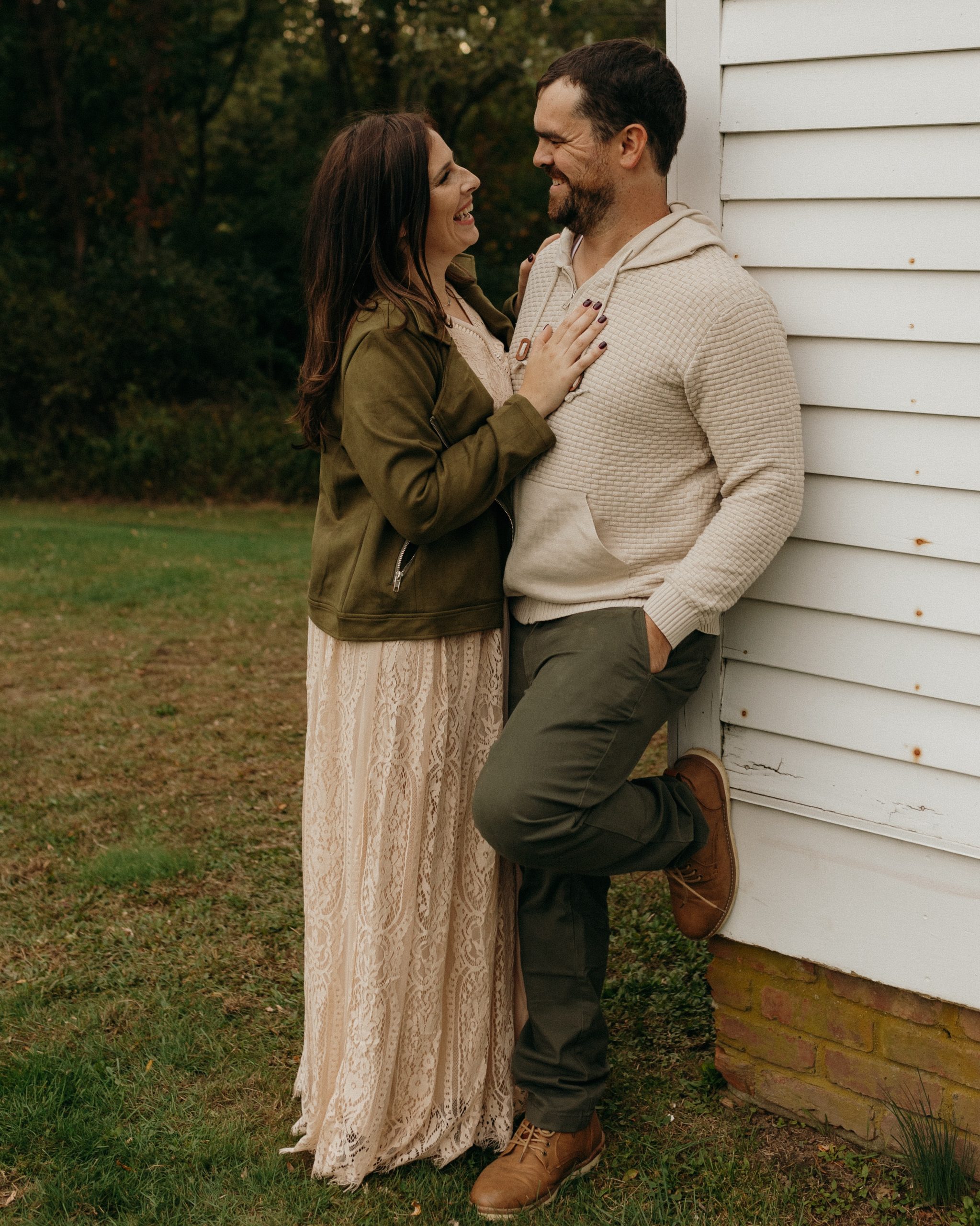
From Loss to Light: Navigating Infertility, Loss, NICU and Beyond Image

In this blog, Courtney shares her journey through infertility, pregnancy loss, a high-risk twin pregnancy, and 12 weeks in the NICU, revealing the raw emotions, challenges, and unexpected joys along the way. She also explains how these experiences led her to become a perinatal mental health therapist, supporting other parents through similar struggles.

I never imagined my path to motherhood would look like this: long months of waiting, doctors’ offices, heartbreak, and fear tangled with joy. I’ve lived through infertility, pregnancy loss, a high-risk twin pregnancy, 12 weeks in the NICU, and more losses after that. And somehow, through it all, I’ve also found my calling: walking alongside other parents in their hardest moments as a perinatal mental health therapist.

This is my story.

Infertility and My First Loss

We started trying to grow our family full of excitement and hope. Month after month passed, 15 in total, before we turned to a reproductive endocrinologist for help. By then it was 2020, and COVID slowed everything down even further.

We tried two IUIs without success. Our third IUI was different. My bloodwork came back positive; we were over the moon. But joy quickly gave way to uncertainty. My pregnancy was labeled a “pregnancy of unknown location,” and to be safe in case it was ectopic, I was treated with methotrexate. That one injection ended the pregnancy and forced us to wait before trying again.

I remember holding back tears at a family gathering when a cousin laughed and said, “I’m so fertile, if my husband looks at me, I’m pregnant.” In my head I was silently screaming, F** you. That’s the thing about infertility and loss, the world keeps making jokes while your heart quietly breaks.

Pregnancy After Loss

By November, we’d decided not to do a fourth IUI. The emotional and financial strain was too much. But then my in-laws offered to pay, and we gave it one last shot. I was certain it had failed… until my bloodwork came back positive.

At my first scan at 5.5 weeks, I learned we were having DiDi twins. Alongside the excitement came a flood of anxiety. I was now officially high risk. Every milestone brought new fears: a NIPT scare for a possible neural tube defect (thankfully not the case), and at 16 weeks, news that one of the boys wasn’t growing well.

By 23 weeks, doctors were preparing me for the possibility of letting Baby B pass in-utero to protect Baby A. We cried, we prayed, we toured the NICU. We hoped for more time.

At 29 weeks, after a battle with intrauterine growth restriction (IUGR) and a bout of food poisoning, my boys arrived. Looking back, I realize I only have three or four pictures of me pregnant. I avoided the camera; afraid I’d need to erase the evidence if things didn’t work out. Even buying cribs left me sobbing, I couldn’t shake the fear they’d never be used.

Our NICU Chapter

The NICU was overwhelming at first. The sounds, the beeps, the constant motion. My smaller twin was a micro preemie, fighting from his first breath.

Over 12 weeks, the NICU became a strange mix of trauma and gratitude. The nurses and doctors taught us how to care for our fragile babies, it felt at times like we had the world’s most expensive babysitters.

I’ll never forget walking in to find my son mid-bradycardia and apnea episode. His skin was gray. I picked him up, terrified he was gone. When his color returned, I stepped out so I wouldn’t throw up on the unit.

I kept asking my husband, “When will someone just tell us they’ll survive?” That reassurance never came, only incremental progress.

Bringing them home was both thrilling and terrifying. After months of constant monitoring, we were suddenly alone. I was petrified they’d choke while feeding, stop breathing overnight, or crash without warning. It took a long time to trust again. EMDR therapy played a big part in helping me heal.

More Losses

When the boys turned three, we decided to stop preventing pregnancy. My husband wasn’t ready for fertility treatments again, but to our shock, we conceived naturally. I was amazed.

At six weeks, spotting began. At ten weeks, during a visit to the high-risk office, I miscarried. The pain was excruciating, and I was sent to the ER for a D&E. Weeks later, the results confirmed a chromosomal issue and that we had lost a little girl. We named her Lucy. Knowing what motherhood feels like made losing her even more devastating.

Six months later, another positive test, followed by bleeding within days. It was a very early miscarriage. My reproductive endocrinologist told me my odds were now one in four for a successful pregnancy without IVF.

For each baby I’ve lost, I’ve bought a ring with their birthstone: emerald, ruby, amethyst. A friend calls them my “infinity rings.” They’re a small but tangible way of carrying my children with me always.

Finding My Purpose

During my high-risk pregnancy, I searched for a therapist who truly understood perinatal trauma and couldn’t find one. That felt unacceptable. I was a therapist myself, and even I couldn’t connect with the right help.

After my boys came home and I did my own EMDR work, I knew this was my calling. I wanted to be the therapist I needed back then. I never wanted another parent to feel lost in their search for understanding.

Now, as a perinatal mental health therapist, I have the privilege of walking with parents through infertility, pregnancy loss, pregnancy after loss, and NICU trauma. I’ve learned that healing doesn’t mean forgetting, and grief can live alongside joy. The most important thing I can offer, and that we can offer each other, is validation.

If You’re in the Middle of It Right Now

To anyone going through infertility, perinatal loss, pregnancy after loss, or the NICU, please know you are not alone. I’ve been where you are. I know the loneliness, the fear, and the aching love that loss leaves behind.

Please reach out to someone. A friend, a therapist, a support group. You do not have to carry this alone, and you can feel better. Not overnight, not in a straight line, but better.

Our babies, here and gone, will always matter. And so do you.

Real voices,
real impact

Baby loss and infertility can feel isolating, but you’re not alone here. Hear from those who’ve found support, strength, and community with us.

“I’ve gotten more out of these sessions than I have in months of therapy. I am so so grateful for you guys. Truly. xo”

-Sammi, TFMR course attendee 🇺🇸