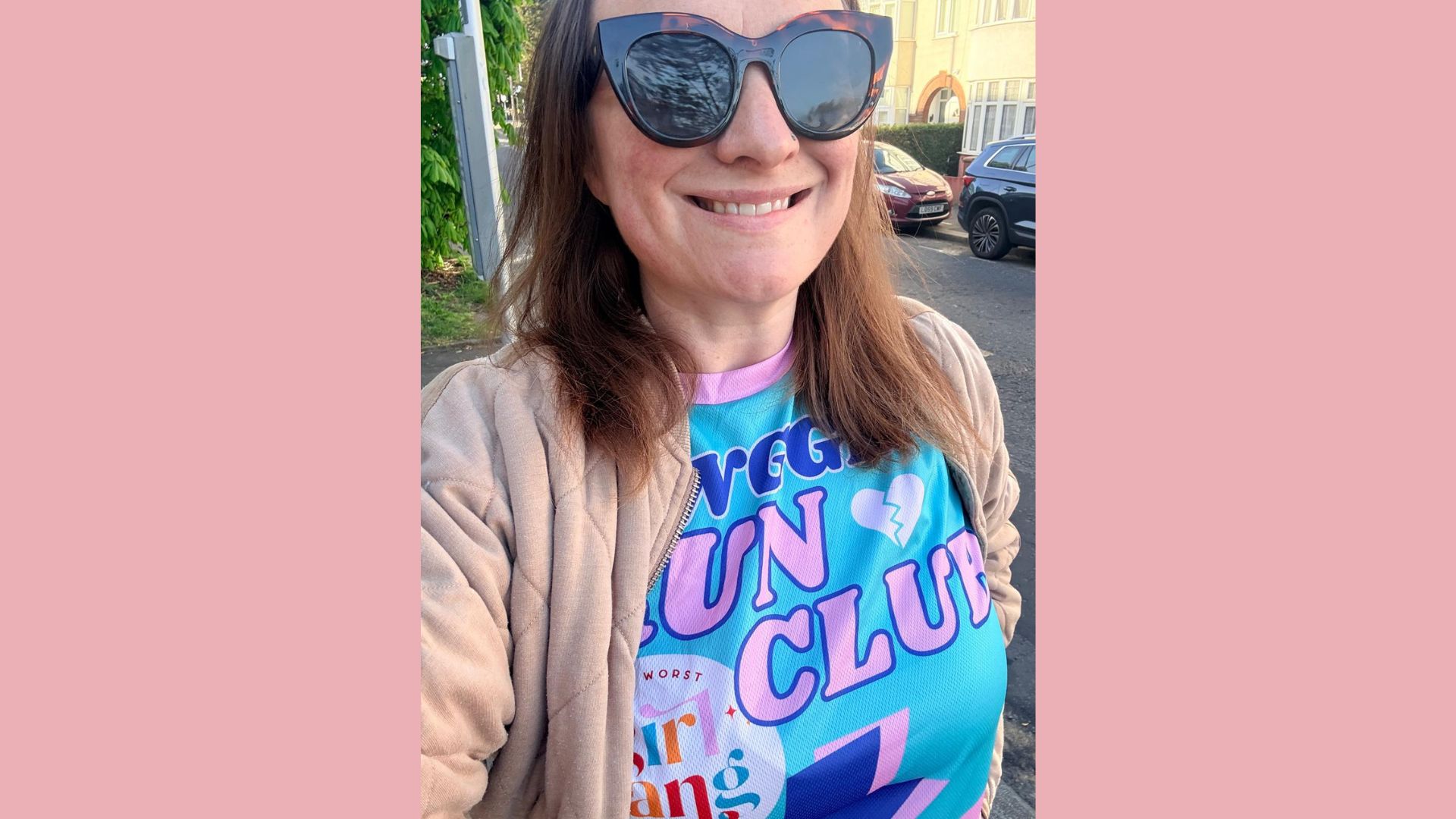
Our worth was never tied to our ability to carry a pregnancy
Three years ago today, I was posting a pregnancy announcement. Now, I sit with memories that hold both joy and deep grief.We started rearranging our lives in our heads—when I’d stop working, how we’d make one income work during maternity leave, what kind of community we wanted to raise our child in. It was all happening in our hearts before anything even showed on the outside.
No one tells you how painful it is to be surrounded by pregnancy announcements when yours ended in silence.
The guilt is unbearable. You start to question your worth.
Baby loss and infertility can feel isolating, but you’re not alone here. Hear from those who’ve found support, strength, and community with us.
Follow us on @the_worstgirlgang_ever to keep yourself up date with upcoming events, advices.
In November 2024, I experienced a second-trimester miscarriage. It was devastating — but I told myself to keep going. I tried to pick myself up, carry on with life, and move forward quietly. Then, just a few months later, in March 2025, it happened again. Another loss — this time at 8 weeks and 5 days.
I was heartbroken. Again.
But this time, something deeper started to shift in me. It wasn’t just sadness anymore. It was heaviness, anxiety, numbness — a deep disconnection from everything and everyone.
At first, I thought it was just part of grief. That this was what loss looked like.
Then came the diagnosis: postnatal depression and anxiety.
I remember feeling confused. Postnatal depression? But I hadn’t carried to term. I hadn’t brought a baby home.
I’d always associated PND with full-term pregnancies and new motherhood. I didn’t realise it could follow a miscarriage — that your body and mind don’t distinguish between a pregnancy ending at 40 weeks or at any stage before.
That realisation was both validating and disorienting. Having a name for what I was feeling didn’t make it easier to carry — but it made it real.
Eventually, we learned the cause behind our losses. It’s something that can happen again. Hearing that — alongside the words “I’m sorry, there’s no heartbeat” — was one of the hardest truths I’ve ever had to hold.
With my doctor’s support, I made the decision to take extended time off work. It wasn’t easy. I agonised over it again and again. On paper, I was just “off sick,” but most people didn’t know why. There was no visible injury, no easy explanation. I felt exposed — and, at the same time, completely invisible.
And the truth is: I felt guilty.
Guilty for stepping away.
Guilty for choosing myself.
Guilty because I couldn’t explain why I needed space.
Guilty that my absence might have looked like rest, when in reality, I was breaking inside every single day.
One thing I don’t take for granted in all of this is how incredibly supportive my workplace has been. I’ve been more than lucky — surrounded by managers and colleagues who made it clear that I didn’t need to give work a second thought while I focused on healing.
Their kindness and flexibility lifted a weight I didn’t even realise I was carrying. But still, the guilt lingered. Guilt that my absence added pressure to others. Guilt that I couldn’t keep up. Even with all the support in the world, it’s hard not to feel like you’ve fallen behind while life moves on without you.
Some days, what helps most is a kind word from someone who understands. Other days, it’s having the space to not talk about it at all. And sometimes, what hurts the most is when people don’t know what to say—so they say nothing. Then comes the guilt—for feeling let down, even though you know it’s hard for them too, just in a different way.
We live in a world that glorifies “bouncing back.”
But grief doesn’t work like that. It’s not linear. It doesn’t follow rules. And healing takes time, courage, and rest — something I’m only just now beginning to understand.
I still carry some of that guilt. Maybe I always will. But I’m learning to see this time away not as weakness, but as a quiet act of strength. Choosing yourself — especially when no one else can see the storm inside you — is hard. But it’s necessary.
If you’re reading this and you’ve felt that same guilt, please hear this:
It’s okay to pause.
It’s okay to not be okay.
And it is more than okay to choose yourself — even when it’s uncomfortable.
Depression after miscarriage is real. The grief is real. And the need for rest is valid.
Baby loss and infertility can feel isolating, but you’re not alone here. Hear from those who’ve found support, strength, and community with us.