Losing a Twin at 36 Weeks: My Journey as a Twinless Twin Mum
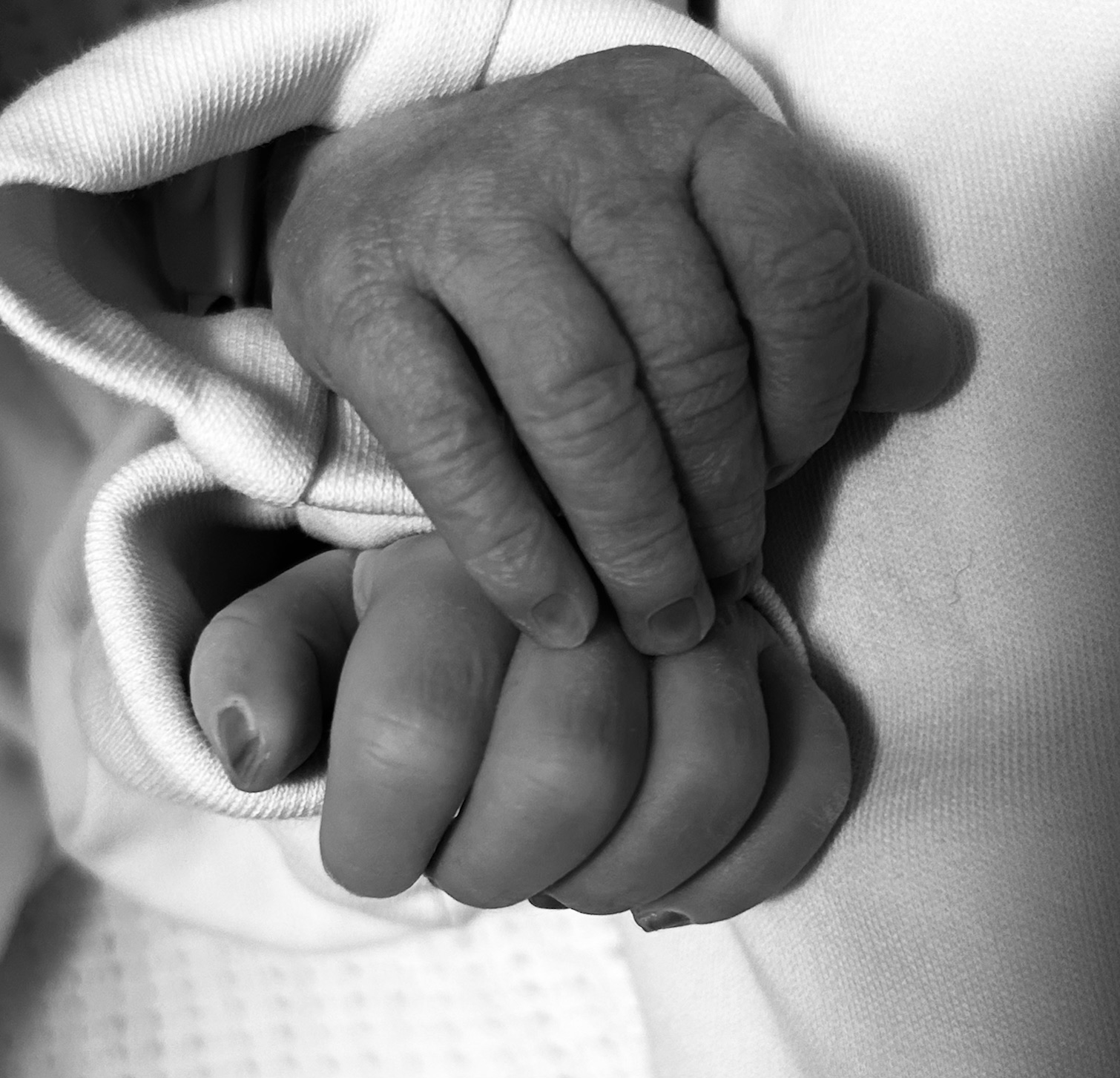
On the 31st January 2024, exactly 2 weeks after my mum’s funeral who passed suddenly, my husband and I found out we were expecting. We were beyond excited.
We were blessed with two heartbeats. DCDA twins, meaning they have their own sacs and placentas.
Quite quickly, I kept saying to my husband ‘I think it could be twins’. On our way to our 12-week scan, I said to my husband once more ‘if it’s twins, we’ve totally got this’. Sure enough, mother’s instinct was right. We were blessed with two heartbeats. DCDA twins, meaning they have their own sacs and placentas.
At our 20-week scan everything was still moving forward nicely. We never found out the genders, they were just known as Twin 1 (who I had a sneaky suspicion was a girl) and Twin 2 (who I thought was a boy).
After 20 weeks, I had scan weekly, there was some concern around Twin 1’s growth, so each fortnight we had growth scans, and in between those they check the flow from placenta to babies.
I also had Intrahepatic cholestasis of pregnancy, which I had with my first born also. My bloods were regularly monitored.
On the 10th September 2024, I’d had a growth scan and due to Twin 1s growth, they were going to induce me later that week. This would mean the babies would be born at 36weeks and it was recommended to have steroid inject to help the babies’ lungs. I had my first injection that day.
The next morning, I woke up and hadn’t felt the babies move very much. I had thought to much of it, but always been an advocate for babies’ movements and using kicks count bracelet, I got childcare for my toddler and took myself to triage. I was also due to have my 2nd steroid injection that afternoon, so had a a good few hours to myself and was busy planning where to go treat myself for dinner after a quick check on the babies before the next appointment.
I was so sure as soon as the monitors were on, all would be fine.
On my way there, my consultant actually called to say they would be inducing me the following day. I never mentioned I was on my way for reduced movements; I was so sure as soon as the monitors were on, all would be fine.
The popped the monitors on, and although the midwife thought she had two heart beats, the monitor wasn’t happy. After a couple more reshuffles, she eventually went to get a scanning machine. She scanned my tummy, and then said, we’d move to another room. My heart sank. I knew.
I never thought I wouldn’t be bringing them both home.
We went to a room and she called for a doctor. The doctor before she scanned, asked me if I was alone, I was. She scanned and informed me there was no heartbeat on twin 2, but twin 1 was still going strong. Complete shock, shock that we’d lost twin 2, when all concern had only been for twin 1. Heartbroken we’d lost a baby, that I had to phone my husband to come to the hospital while I figure out how to tell him when he arrives, we’ve lost a baby. Thankful that twin 1 was still alive. It was quickly decided the babies would be born via c section that day. We don’t know why we lost twin 2. At exactly 36weeks they were born.
Twin 1 – Lucinda 5lb
Twin 2 – Walter 5lb 13oz
Mothers’ instinct was right, I knew it was twins, I knew it was a boy and a girl, I never thought I wouldn’t be bringing them both home.
We were so well cared for throughout our pregnancy, I don’t think any more could have been done. DCDA twins, the safest twins to have. Overall, a healthy pregnancy, until it wasn’t.
Navigating baby loss while caring for a toddler and a newborn is the hardest thing I’ve ever had to do.
Baby loss and infertility can feel isolating, but you’re not alone here. Hear from those who’ve found support, strength, and community with us.

“This challenge has really helped me to feel like I’ve found my tribe & the people that just get me 🥰. It’s been so much more than just training for a run ❤️.”
-Edwina, Run 10k to Raise 10k participant

‘The chat is a lifeline! Baby loss can make you feel so isolated but, connecting with others who have been there makes it that bit more bearable xx”
Warriorship drop-In support call attendee

“Just a huge thank you from the bottom of my heart. A friend gave me your book a few days after my TFMR and reading it scraped me off the emotional floor. It validated all of the contradictory emotions I was feeling and made me feel so much less alone.”
Harri, Reader of the TWGGE survival guide

“It would be no exaggeration to say this podcast has been a lifeline for me over the past couple of months and has seen me through some dark days. I’m so grateful to have found this community of women who are so funny, inspiring and knowledgeable. It makes me feel less alone.”
AshSunny87, Podcast listener
Follow us on @the_worstgirlgang_ever to keep yourself up date with upcoming events, advices.
For the last few years, I have thought about writing my secondary infertility story for Baby Loss Awareness week. I never got round to it, and in truth what’s stopped me is that I always hoped I would be writing it following our happy ending, a rainbow baby to make the losses worthwhile. Sadly, 5 years have passed now and here I am, finally putting the words down because it feels right, but for a different reason.
Does that mean the storm never ends? Does that mean we never get our rainbow?
I’ve always struggled with the term “rainbow baby”—this idea that the child who comes after loss is the calm after the storm. Because what if no baby comes? Does that mean the storm never ends? Does that mean we never get our rainbow? Is success only defined as the arrival of the much-wanted baby? How about the success that comes with a couple still standing, still trying, still choosing to live a joyful life anyway… is that not worth a rainbow?
I have been pregnant 11 times. The first time resulted in my beautiful daughter, now 8, conceived on the first try. I miss the person I was during that first pregnancy. So carefree, so naïve. I bought most of our baby items at a second-hand sale when I was 14 weeks pregnant with not a care in the world. I had a beautiful pregnancy and loved every minute. Motherhood hit hard, in the best way. I loved (almost) every moment, but I was tired and anxious, possibly due to a thyroid issue at least in part. We didn’t think about trying for our second child until my daughter was 3.
I suffered 2 chemical pregnancies back-to-back which were devastating, completely unexpected. My 3rd was a first trimester loss, painful in a different way because I had begun to hope. Having had 3 losses, I then qualified for NHS investigations, but we were in the middle of the covid pandemic, the country was in lockdown and waiting lists were growing.
All this time we were in our bubble (literally) of three. As I explored the online fertility space, I found support groups which became a lifeline at times. But having my daughter, particularly when I was sharing space with women who did not have any children, made me feel that I didn’t deserve to grieve our losses. That I should be grateful (I am!), keep it to myself, not feel any pain. How could I be sad when I could kiss my daughter goodnight, or skip with her in the garden, when these other women were so desperate to have even one child. Also, my losses had been early. At least. So, we battled on. 3 more losses within the space of another year and no answers from the recurrent miscarriage clinic when the appointment finally came.
For the first time, I gave myself permission to feel it all, the heartbreak, the anger (oh the anger!), the confusion, the unfairness.
My 7th loss was different. It was an ectopic pregnancy that ended in emergency surgery to remove both the pregnancy and my right fallopian tube. For the first time, I couldn’t hide what was happening. I needed two weeks off work, help with childcare, to tell people. And when it all finally came tumbling out it was like a weight had been lifted. That experience forced a mental shift. I stopped pretending we could just power through. I accepted I might need some kind of therapy to deal with the trauma of losses we had suffered. I stopped forcing the gratitude and began to realise that I needed to look my grief directly in the face. For the first time, I gave myself permission to feel it all, the heartbreak, the anger (oh the anger!), the confusion, the unfairness.
I thought that telling people would bring pity (gads!) or judgement, but it mostly brought connection and compassion. Of course, some people didn’t get it, and I’ve lost a few friends along the way. I couldn’t be there for them, and they couldn’t be there for me, no one’s fault. But generally, when I shared our story with a friend, colleague, family member, the grief lifted a little.
For me, that loss marked the beginning of something. We couldn’t keep going the way we had been. We stopped trying to force our way through the pain or frantically push for answers that would never come. I let go of my obsession with timelines and the ticking of the clock, mostly. I started advocating for myself with doctors (I was an expert by then anyway) and listening to what my body needed, was trying to tell me.
I write this as if it all changed at that point, it didn’t. Rebuilding myself has been a gradual, continual process. My ectopic pregnancy was two and a half years ago now and we are still working on things, ourselves, still trying. But I feel lighter now than I have in years. We’re trying to live alongside hope instead of being consumed by it, while seeking out joy in the small things.
If there was one thing that helped it was building connections, both inside the fertility space and beyond it. While I struggled with sharing our story in person – during lockdown we moved outside of the city to a small town where everyone seemed to have at least 3 kids! – I started studying nutrition in 2022 and my classmates were brilliant and hilarious, a perfect distraction. I started the course to gain some control, find some answers, but mostly distract my brain from the sadness. I’ve always been a geek, I love to study, and it was escapism. My classmates helped me more than they will ever know. I’ve only recently shared my losses with the group and again have been met with nothing but compassion.
In terms of the fertility world, The Worst Girl Gang Ever was formed nearly 5 years ago (at the time of writing this) when this journey was just starting for me. Those two incredible women pulled me out of the depths when I didn’t know what I needed was to laugh, to rant, to swear. Up to that point baby loss had been filled with hushed voices, pale pinks and blues, angel wings. You do need that sometimes, but other times you need to be angry. TWGGE gave me permission to let that anger out, and once it was out, its hold was gone.
More recently I have been part of Alice Rose’s “Happen” group. Alice is a Transformational Mindset Coach and to say that my mindset has been transformed by Alice and the amazing women in the Happen group would be putting it mildly. I would never have written this if it wasn’t for their gentle, yet brutal, shove in the right direction!
Our losses didn’t make me a better person in some neat, redemptive way, but they did make me live more.
I can’t ever say that my losses have a silver lining, to think of them as some kind of gift feels like minimising something that broke my soul completely. They weren’t blessings in disguise. They were devastating. They were real. But I also can’t deny the way they’ve shaped in me. I am more compassionate. I love more fiercely. I notice joy where I used to rush past it. I speak with more honesty. I’m more confident. I have found my voice. I am grateful, not because of what I’ve lost, but because of how deeply I’ve learned to hold what I have. Our losses didn’t make me a better person in some neat, redemptive way, but they did make me live more. And I’ll carry that with me every day.
The sadness doesn’t leave, but it hasn’t all been for nothing. There are rainbows.
Baby loss and infertility can feel isolating, but you’re not alone here. Hear from those who’ve found support, strength, and community with us.
“This challenge has really helped me to feel like I’ve found my tribe & the people that just get me 🥰. It’s been so much more than just training for a run ❤️.”
-Edwina, Run 10k to Raise 10k participant
‘The chat is a lifeline! Baby loss can make you feel so isolated but, connecting with others who have been there makes it that bit more bearable xx”
Warriorship drop-In support call attendee
“Just a huge thank you from the bottom of my heart. A friend gave me your book a few days after my TFMR and reading it scraped me off the emotional floor. It validated all of the contradictory emotions I was feeling and made me feel so much less alone.”
Harri, Reader of the TWGGE survival guide
“It would be no exaggeration to say this podcast has been a lifeline for me over the past couple of months and has seen me through some dark days. I’m so grateful to have found this community of women who are so funny, inspiring and knowledgeable. It makes me feel less alone.”
AshSunny87, Podcast listener
Follow us on @the_worstgirlgang_ever to keep yourself up date with upcoming events, advices.

If you’ve experienced pregnancy loss, the lead-up to a scan can feel overwhelming. The waiting room, the sound of the machine, the memory of a moment everything changed – it can all come rushing back. This is what many call scanxiety, a unique form of anxiety triggered by prenatal scans after a previous loss.
You are not alone in feeling this way. The fear, uncertainty, and anticipation are real and completely valid. It’s okay to approach each scan with mixed emotions. But it’s also okay to seek a little peace along the way.
Validation is powerful. Share your fears with someone who gets it – a partner, friend, therapist, midwife, or a loss community (like TWGGE).
Join peer support groups specifically for pregnancy after loss, where others understand scanxiety without needing explanations or receiving frustrating advice like ‘just try to stay positive’! 🙄
Guided meditations or breathing exercises (like the three minute one below).
Try 5-4-3-2-1 grounding (naming things you can see, hear, feel, smell, taste) right before or during the wait.
Use calming scents (lavender oil, familiar perfume) on a tissue to bring comfort and familiarity.
Bring a support person if possible – someone who can be calm, grounded, and advocate for you.
Ask the clinic in advance for trauma-informed care: things like shorter waiting times, going straight in, or having a midwife present.
Wear something that makes you feel safe or comforted – a scarf from someone who loves you, a grounding bracelet, etc.
Load your phone with comfort podcasts, music, or audiobooks to listen to while you wait.
Bring a comfort object, a stone, a piece of jewelry, a note to yourself.
Have snacks or water on hand — nourishment matters, especially when nerves mess with your stomach.
Write a note to yourself before the scan, something like “Whatever happens, I will meet myself with kindness.”
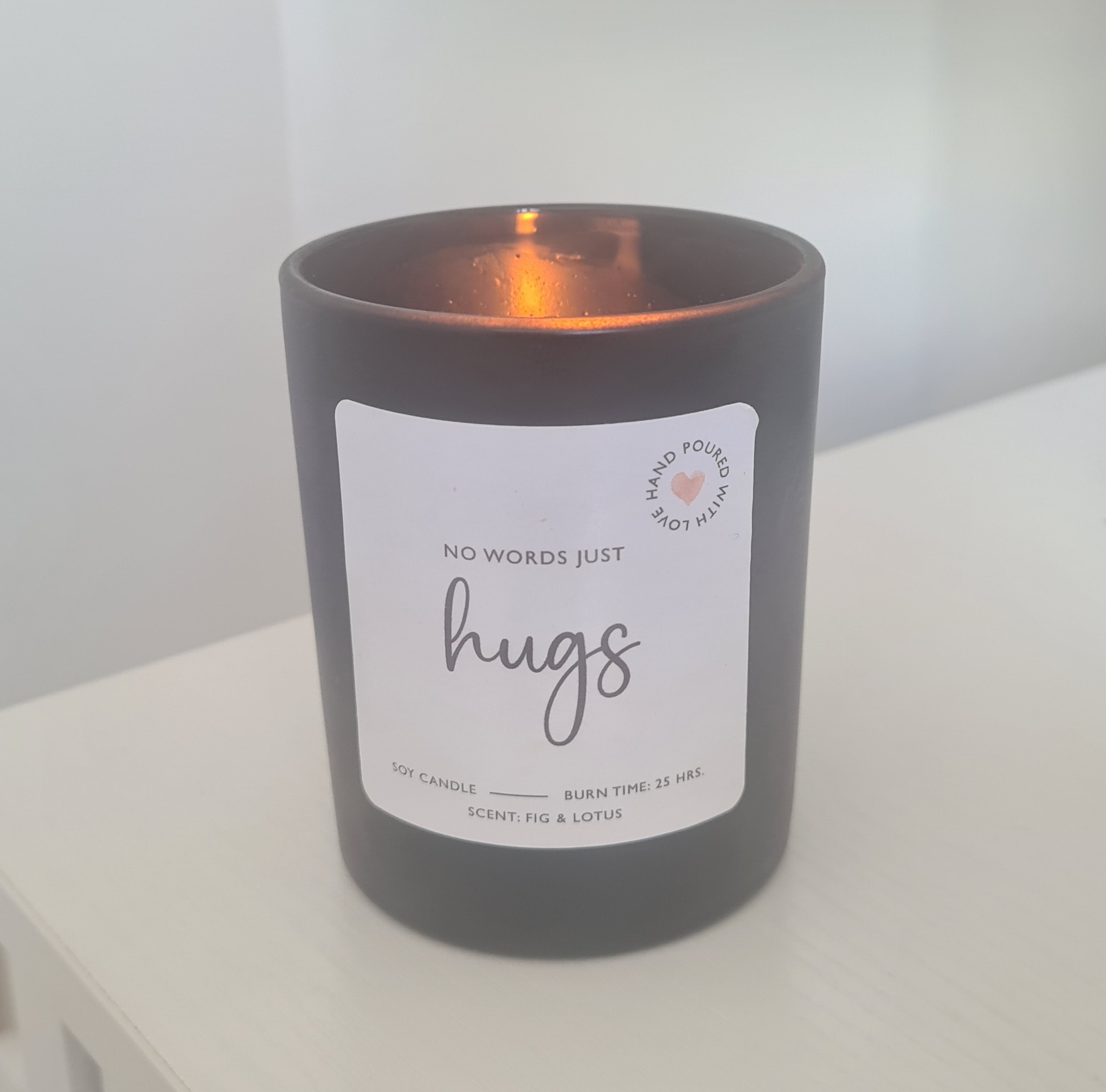
Light a candle the night before. Say a mantra. Look at a photo of someone who gives you strength.
These small rituals help create meaning and grounding, especially when things feel out of control.
Let them know in advance about your anxiety. Ask for:
A clear step-by-step of what will happen during the scan
To see or not see the screen right away, it’s your choice
Someone to speak first (e.g., “I’ll let you know as soon as I see a heartbeat”)
It’s okay to dread the scan and still hope.
It’s okay to protect your heart while also allowing some excitement.
There’s no “right” way to do this – only your way.
To support you in these moments, Tahnee Knowles created us a simple, grounding Three Minute Breathing Space Meditation. Whether you’re listening on your headphones in the waiting room before your scan, or sat in the car park before heading in, or even in bed the night before, this short guided practice is designed to help you pause, reset, and return to yourself.
This isn’t about “thinking positive” or pretending the fear isn’t there. It’s about making space to feel what you’re feeling, while gently reconnecting with your breath and your body, one moment at a time.
⚠️ Just a Little Heads-Up: This meditation is best listened to when you’re not driving, juggling life, or operating anything with sharp blades. Find a quiet-ish spot where you can sit, breathe, and just be for a few minutes.
It’s not meant to replace proper medical or mental health support (because breathing is amazing, but it’s not magic). If you’re struggling, please speak to someone you trust or a professional who gets it. You don’t have to do this alone.
A drop in physical tension (shoulders, jaw, stomach)
A steadier breath and heartbeat
A quiet moment of connection with yourself, your body, and your hopes
No meditation experience is needed. Just press play, close your eyes if you’d like, and let yourself be guided.
This moment is yours. Take it gently.
You’re doing something incredibly brave. Let’s breathe together.
Baby loss and infertility can feel isolating, but you’re not alone here. Hear from those who’ve found support, strength, and community with us.
“This challenge has really helped me to feel like I’ve found my tribe & the people that just get me 🥰. It’s been so much more than just training for a run ❤️.”
-Edwina, Run 10k to Raise 10k participant
‘The chat is a lifeline! Baby loss can make you feel so isolated but, connecting with others who have been there makes it that bit more bearable xx”
Warriorship drop-In support call attendee
“Just a huge thank you from the bottom of my heart. A friend gave me your book a few days after my TFMR and reading it scraped me off the emotional floor. It validated all of the contradictory emotions I was feeling and made me feel so much less alone.”
Harri, Reader of the TWGGE survival guide
“It would be no exaggeration to say this podcast has been a lifeline for me over the past couple of months and has seen me through some dark days. I’m so grateful to have found this community of women who are so funny, inspiring and knowledgeable. It makes me feel less alone.”
AshSunny87, Podcast listener
Follow us on @the_worstgirlgang_ever to keep yourself up date with upcoming events, advices.
I had a MMC measuring 8 weeks back in March. We went from being the happiest we have ever been to the saddest we have ever been in such a short space of time. I had a gut feeling something was wrong when my strong symptoms began to slowly dwindle. We booked a private scan and I remember my partner saying “I know we will be leaving here with a big smile on our face” but I just knew something was wrong. We sat in the waiting room surrounded by balloons and families excited for their gender reveal. When we left after hearing there was a very slow heartbeat, we had to leave via the fire escape. I couldn’t hide my sadness and didn’t want to ruin their experiences with my terrified face.
Things moved quickly after that. A week later we were in the early pregnancy clinic, and the heartbeat had gone altogether. We waited another week to then have another scan to reconfirm. 1 week later, still no sign of miscarriage and a D&C was booked.
Things went seemingly well initially, but the bleeding just wouldn’t stop. When it got to the 4 weeks mark, I called back in and had another scan. They seemed in shock at how much retained product (horrible term for your baby, isn’t it) that had been left. 2 weeks later I had another D&C that was ultrasound guided. I felt resentful and frustrated, but understood it was “rare” but could happen. They scanned me before this D&C again to ensure it was still there and it most definitely was.
Fast forward 3 more weeks, I was still bleeding. I called up again, booked another scan, and went alone this time. I was quietly confident my body was just flushing and getting back to normal, how could they have missed it again if it was ultrasound guided? I even told my partner to go watch the Tottenham final (his one true love!) as I was so sure it would be okay.
I had a scan and they just went silent. And then she said I’m sorry…. they have still missed a big part. I just broke down into hysterical crying at that point. How? How the eff could they have missed it? I waited, alone, for 3 hours in the waiting room after that until I saw a consultant. It felt like the longest, loneliest wait of my life.
I was then booked in for a Hysteroscopy and something else that sounded like a “total clear out”. I sat on my sofa watching Suits for the 18th time because my brain hasn’t been capable of watching anything new right now.
I’ve had 6 trips to the hospital, 8 internal scans, 3 general anaesthetics and 3 surgeries in 3 months. To top it off nicely, I am on antibiotics also because the site where my IV line went in got infected and my arm blew up, but that’s just the cherry on a really shit cake.
I feel physically and emotionally battered, and all the trauma sometimes makes me oversee the true sadness here – our little miracle has gone.
On one hand I want to share my story so people like me – the 1% or whatever percentage it was – don’t feel so alone. On the other hand, I also don’t want to scare all these lovely women who are already scared enough. There have been many, many dark days but also many days filled with love and gratitude for my incredible partner, family, friends and colleagues whom all helped me through continuously. I think they are the real heroes in my story.
Baby loss and infertility can feel isolating, but you’re not alone here. Hear from those who’ve found support, strength, and community with us.
“This challenge has really helped me to feel like I’ve found my tribe & the people that just get me 🥰. It’s been so much more than just training for a run ❤️.”
-Edwina, Run 10k to Raise 10k participant
‘The chat is a lifeline! Baby loss can make you feel so isolated but, connecting with others who have been there makes it that bit more bearable xx”
Warriorship drop-In support call attendee
“Just a huge thank you from the bottom of my heart. A friend gave me your book a few days after my TFMR and reading it scraped me off the emotional floor. It validated all of the contradictory emotions I was feeling and made me feel so much less alone.”
Harri, Reader of the TWGGE survival guide
“It would be no exaggeration to say this podcast has been a lifeline for me over the past couple of months and has seen me through some dark days. I’m so grateful to have found this community of women who are so funny, inspiring and knowledgeable. It makes me feel less alone.”
AshSunny87, Podcast listener
Follow us on @the_worstgirlgang_ever to keep yourself up date with upcoming events, advices.
I’ve sat down to write this many times, always feeling like I can’t find the words. It’s now May 2025, 14 months later, so here goes…
We found out we were expecting our second baby in December 2023.
Over the Easter weekend, at almost 20 week (19+4) I had, what I suddenly learned is known as a ‘late missed miscarriage’. Simply, my body didn’t let me know that our baby’s heart had stopped.
Late afternoon on Good Friday I had a very small dot of brown blood. I went to triage to be checked over. No other signs at all…
By the time I got there I was bleeding. After waiting a couple of hours for a doctor to scan, I was told there was no heartbeat and that baby’s heart had stopped, around 16-18 weeks (based on size) and that my body was now miscarrying my baby.
I was alone in triage as we hoped it was nothing to worry about! My other half, at home with our 3-year-old, had to arrange for my parents to drive an hour or so to ours so that he could come to the hospital to be with me. (I told him a white lie about lack of doctors and tests taking longer than usual.) I sat with the news of our baby for 2 hours, alone, until he arrived and I could tell him in person.
I was suddenly thrown into a world of words and phrases I’d never heard of, let alone understood.
I begged to be sent home that night, and under instructions to return at 8am the following day for another scan and ‘the next steps’, I was given permission to leave.
I was suddenly thrown into a world of words and phrases that I’d never heard of let alone understood. I felt as though everything being said had an abbreviation and more alarmingly, a presumption that I was following and understanding our ‘next steps’. Of course I didn’t understand any of it.
On Saturday morning after another scan, indeed confirming I was miscarrying, I was given medication to induce labour, sent home and returning to the hospital a day later, giving birth to our tiny baby on Easter Sunday. The birth was calm and quiet, all things considered, followed by the same euphoric feeling I had when I’d given birth to our daughter. This only added to the cruel and confusing feelings.
We went home on Easter Monday, just the two of us, after the same jam on toast and tea I’d devoured in 2021, except this time I’d forced it down with no desire to eat or drink, or enjoy anything.
I’d been thrown into these discussions of induced birth, funerals and post-mortems when really my ears were still ringing with ‘I’m so sorry but there’s no heartbeat’.
A scan a few days after birth, showed I needed a surgical management of miscarriage so was booked in the next day. I was supposed to be going to Wembley to watch the Lionesses, instead I was sat in a gown and stockings waiting for my first flirt with a general anaesthetic to remove the small amount of placenta and tissue remaining.
This thankfully went as well as it could and I was let out, late that same day.
All this, in the space of a week.
I’d been in fight mode and couldn’t think straight or clearly about anything. The week had been a whirlwind of information, emotions, procedures and birth. I felt lost, angry, hurt, vulnerable, confused…
I wish I had known more. Before our loss. The lingo, the ‘what happens next’…
We spend so much of our life being instructed on how not to get pregnant but nothing about infertility, difficult pregnancies or loss! To be learning about the next steps – methods and procedures in unimaginably hard circumstances is reckless and leaves lasting damage. It needs to change.
After a few months of waiting, the post-mortem didn’t show anything too concerning apart from a couple of blood clots behind my placenta. With further tests I was diagnosed with ‘Sticky blood syndrome’ (or Antiphospholipid Syndrome/ APS). Another thing I’d never heard of! It’s an autoimmune disorder where the immune system mistakenly produces antibodies that make blood clots more likely to form. It took a series of repeat blood tests, at least 12 weeks apart, for comparison, before diagnosis. It is unknown if I had APS during my first pregnancy or not but the specialists seem to lean towards something triggering it in the time between my first and second pregnancy.
Whilst we will never have any definite answers or causes, I am hugely grateful for the testing I have received. It has led us to a point where we have a plan in place, of twice daily blood thinning injections and aspirin from early pregnancy and throughout. This is by no means a guarantee but it is something.
Journaling gave me a voice, and for a while, I became my own soundboard.
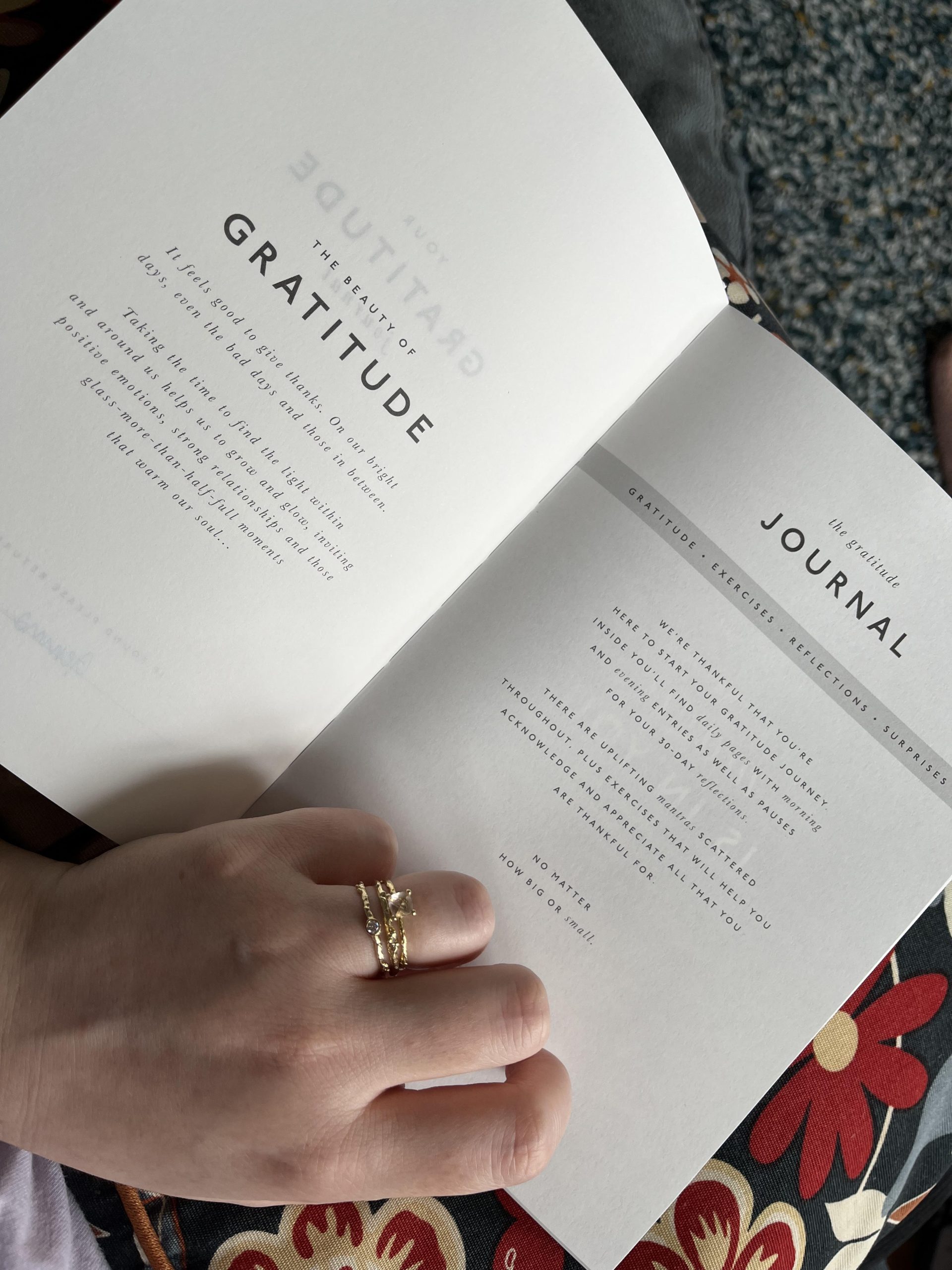
It has taken me a long time and months of talking therapy to get to where I am now. With a little belief, cautiously hopeful even. I’ve found looking for my daily dose of gratitude and journaling crucial. I have TWGGE course to thank for introducing me to these practices. Often a simple ‘thank you’ to myself for showing up that day or sticking to a personal boundary I’ve set, have been invaluable to my healing.
Journaling gave me a voice and for a while I became my own soundboard. The isolation, the pressures, often self-inflicted, were so tiring. My personal timeline of working through our loss became overwhelming in itself. I felt I needed to do better, be better. I couldn’t always see that what I was doing was enough. But reading back over the notes on my phone or written words in my notebook helped show me, remind me, that I was in fact doing enough.
I am a different version of myself since losing our baby. I am calmer, more considered, thorough, hugely protective of my little family – more so than I ever thought possible! I’ve spent the last year getting to know this new me. I felt like a total stranger to myself but like most things, with time, I’ve come to learn, adapt and understand.
I find myself thinking of our tiny baby most days. It’s complex, continuing to parent, nurture, love and walk this path of life whilst grieving and healing.
We are about to begin our journey of trying to conceive and the possibility of navigating a pregnancy after loss. I am nervous but cautiously hopeful and ever so grateful. I don’t know what the future holds for our family but I’m ready to roll the dice and see…
Lastly, to our tiny baby, thank you for choosing us little one, it breaks my heart you couldn’t stay.
I’ll remember you, and what could have been, forever. Love always, Mama.
Baby loss and infertility can feel isolating, but you’re not alone here. Hear from those who’ve found support, strength, and community with us.
“This challenge has really helped me to feel like I’ve found my tribe & the people that just get me 🥰. It’s been so much more than just training for a run ❤️.”
-Edwina, Run 10k to Raise 10k participant
‘The chat is a lifeline! Baby loss can make you feel so isolated but, connecting with others who have been there makes it that bit more bearable xx”
Warriorship drop-In support call attendee
“Just a huge thank you from the bottom of my heart. A friend gave me your book a few days after my TFMR and reading it scraped me off the emotional floor. It validated all of the contradictory emotions I was feeling and made me feel so much less alone.”
Harri, Reader of the TWGGE survival guide
“It would be no exaggeration to say this podcast has been a lifeline for me over the past couple of months and has seen me through some dark days. I’m so grateful to have found this community of women who are so funny, inspiring and knowledgeable. It makes me feel less alone.”
AshSunny87, Podcast listener
Follow us on @the_worstgirlgang_ever to keep yourself up date with upcoming events, advices.

I’ll never forget the day we finally left the hospital, the emptiness I felt; my body no longer a home.
I had no choice but to put back on my maternity leggings due to still having a bump and sadly, I went home wearing the smallest pad I’d had to wear for weeks. You see 2 days postpartum and the bleeding was nothing like how it was 2 weeks previous when I was 19.5 weeks pregnant and had been admitted for heavy bleeding and clots.
Hours before this admission, I’d been to the women’s health unit for what was my 3rd early scan due to various scares since 8 weeks. As per they said “we can’t see any reason for the bleeding” and said baby boy looked healthy. They suggested low lying placenta with a shrug and sent me on my way.
As I walked down the halls of the hospital, I felt the blood trickle out of me and into the pad. By the time I got home, it was evident that this wasn’t stopping and that this wasn’t normal and I immediately went straight to A&E, which lead me to being taken to the birth centre at just 19.5 weeks pregnant.
As scared as I was, I felt relieved that my condition was finally being taken seriously but I had no idea that this would be the beginning of such an emotional rollercoaster. My body showed no signs of wanting to let Eli go yet; cervix closed, plenty of amniotic fluid, no pain just blood – and a lot of it. He was ‘happy as Larry’, strong heartbeat, no abnormalities, tests all clear. I felt his little fluttery kicks every morning. Maybe this wasn’t a miscarriage.
I stayed in the birth centre for 2 days, listening to the emotional cries of new mothers and their newborns come into this world. A bed designed for birth not comfort. Patiently waiting to be told if this was the end or if it was just a bump in the road. I even managed to laugh and try and reassure everyone around me that I was OK and that I’d get through this. And then I remember Dave squeezing onto the birthing bed with me and I fell apart as he held me. And in that moment we had to open our hearts to the possibility we may be saying goodbye to our boy and I already knew in that moment I’d have to see him and hold him. I had to meet the small person I’d created and who had been with me for the past 5 months.
And I sat there feeling such an imposter. Half a bump, miles away from being in their position
Another morning came and my bleeding had slowed down, cervix still closed, so they sent me up to the birth ward – a mixture of fresh mums, mums waiting to be induced, mums post-caesarean etc. And I sat there feeling such an imposter. Half a bump, miles away from being in their position, in fact not even knowing if that would be me at all. But it was a good sign to be out of immediate signs of miscarriage.
Now imagine my dread, when they tell me Dave can’t stay overnight in this bit. My heart dropped. As much as I knew he needed a bed for the night and not a chair or the floor, he’d been my rock and I felt like something bad could happen at any moment and he wouldn’t be here.
We both said goodbye through tears and apprehension and I remember feeling so bewildered that this was happening. I felt physically drained, my iron was rapidly dropping and I was struggling to eat much. In this time frame I’d had more scans and we listened to Elis heartbeat twice a day. He was doing amazing considering what my body was going through.
After a few more days, it was evident the bleeding wasn’t stopping but it was lighter so they let me go home after an iron infusion and a prescription for iron tablets. A moment of hope.
I think I managed to be home around 5 days? And then I lost a huge clot again so I called the hospital and unsurprisingly, got admitted to the birth centre again.
In this next stint before Eli’s arrival, we took many journeys back and forth back to the ward, back to a birthing room, back to the ward, back to a birthing room etc. All dependent on my level of bleeding and clots. We laughed that we’d seen nearly every room at this point, even happy when I was in one with fairy lights. I’d had the same discussion with each doctor that had been on shift about the possibility of losing Eli and the fact that at some point, due to slowly getting more and more poorly, still bleeding, I may have had no choice but to put my life before his. Eventually, a doctor came to tell me again and I said I physically cannot hear this anymore, I know what may happen and I don’t need a different doctor every day to tell me it in a different way. They decided that it was time to get him out if I had to keep having blood transfusions, so we kept on doing what we were doing until that point.
In the midst of all this, they discovered I had a subchorionic haemorrhage, also known as a subchorionic hematoma, which is bleeding that occurs between the uterine wall and the chorion membrane. It didn’t change the outcome or the treatment but I guess now we knew why I was bleeding so much. All we could do now was try and wait for a ‘safer’ week to get Eli out early and consider a hospital that had better neonatal care. We were given information on what to expect from 22 weeks onwards (the stage I was at by this point) and the statistics for survival and what care would be given. 4 days before Eli came into the world, we were told an ambulance was coming to take us from the hospital we were to one that could better manage such a premature baby, and right until we were about to leave, the consultants changed their mind and felt I was better to stay put for now.
Around 2 days before I went into natural labour, my mood dropped and I just felt like I had nothing left to give. I didn’t want visitors; I didn’t want positivity. I just wanted to know what the hell my future looked like.
Then it began.
I was back up on the ward at this point in a private room, and I began with back pain and cramps…and I knew my body had had enough.
I held the consultant’s hand and he said “it’s time”, but I knew. I knew that this story wasn’t having a happy ending and I knew my body had failed my baby boy, yet at the same time succeeded by wanting to save me.
I was terrified I’d be in pain with no reward, but thankfully I had an epidural and 30 minutes later I’d dilated enough for Eli to come, a few pushes still necessary however. Because he was so small, I gave birth to him inside his sack and the midwifes warned me that he was unlikely to survive the birth for such a premature stage but there was a possibility he would make it and I’d have to say goodbye with him in my arms.
Miscarriage just didn’t feel right for this experience. It was birth. I gave birth.
At 1am exactly, he was born sleeping.
At this stage, things become a blur, Eli had acted like a plug and with him now out, the blood began to flow and I just kept seeing midwives carry soaked up bedding to weigh.
My legs numb, cannulas in both arms, Dave by my side for every moment holding my hand. Miscarriage just didn’t feel right for this experience. It was birth. I gave birth.
It didn’t actually take long for the bleeding to settle, I was informed the blood that soaked the bed was old that had been ‘plugged’ by Eli…and it made sense why I had begun to feel so poorly, now being treated for sepsis.
A few hours passed by and I’d still not been able to face seeing Eli. I didn’t want my legs to be numb, I wanted to greet my son feeling more human, how that was possible I don’t know.
I slowly managed to walk to the bathroom once my legs had woken up to shower but fainted on the way, the midwife and Dave holding me up while I’m none the wiser this had happened.
I have never felt so vulnerable, yet so held in my whole life sat in that shower naked, with this angel of a midwife helping me use a flannel to wash my empty, and lifeless body. But now I was clean and all evidence of birth was rinsed down the plughole with my dignity.
At this stage, we were taken to the bereavement room which was a blessing. A normal double bed so we could finally lay beside one another and here, we would meet our boy.
To this day, I can’t even tell you how surprised I was at how beautiful Eli was. I prepared for the worst I’ll be honest…I had no idea what to expect.
How was it possible that a 22.5-week-old baby can already look like his dad?
But instead, I’m passed a tiny baby, in a tiny blue hat, wrapped in a blanket. With his tiny hands and his tiny toes. How was it possible that a 22.5-week-old baby can already look like his dad. We all cried. And I kissed his little hands and stroked his cheek and knew this moment didn’t need a camera to be captured. It would forever be imprinted in my mind.
We asked if we could keep his hat and we had his hand and feet prints done. We also had 2 small identical heart pillows; one was given to him with our perfume/aftershave on and we kept the other. So, he had our heart and we had his ❤️
We cried most of the day in bed together in that room and just wanted to get home and begin our grieving process without me needing medical attention…but then that moment came, the maternity leggings, the 5000 bags of stuff we’d accumulated and the depressing walk down the hall of the birth centre without a baby in a car seat. (You know the photo).
I feel like my grieving process is a story of its own. And the above story is a lot to process as it if. So, I may be called to write about that too.
But I would like to take this opportunity to thank every single person who has supported me through this experience.
Especially Dave. He will never understand how deeply grateful I am for the man he is and I know what he had to go through alongside me. And what makes this worse is the way he handled it all, just showed me even more what an amazing dad he would have been (or is).
I’ve been the most broken version of myself I have ever been. With constant triggers to navigate. Body changes to accept. Memories that can’t be erased.
Yet I still see light and hope and all the other good things this world still has for me – and maybe this is Eli, the light and hope still running through my blood, still part of me.
Never underestimate how powerful and how special it is to create, grow and hold life within you. Because despite all I’ve said, I still feel grateful that I got to grow life for 22 weeks…and that’s a miracle in itself.
Baby loss and infertility can feel isolating, but you’re not alone here. Hear from those who’ve found support, strength, and community with us.
“This challenge has really helped me to feel like I’ve found my tribe & the people that just get me 🥰. It’s been so much more than just training for a run ❤️.”
-Edwina, Run 10k to Raise 10k participant
‘The chat is a lifeline! Baby loss can make you feel so isolated but, connecting with others who have been there makes it that bit more bearable xx”
Warriorship drop-In support call attendee
“Just a huge thank you from the bottom of my heart. A friend gave me your book a few days after my TFMR and reading it scraped me off the emotional floor. It validated all of the contradictory emotions I was feeling and made me feel so much less alone.”
Harri, Reader of the TWGGE survival guide
“It would be no exaggeration to say this podcast has been a lifeline for me over the past couple of months and has seen me through some dark days. I’m so grateful to have found this community of women who are so funny, inspiring and knowledgeable. It makes me feel less alone.”
AshSunny87, Podcast listener
Follow us on @the_worstgirlgang_ever to keep yourself up date with upcoming events, advices.
IVF is often mis-sold as a ‘fix’ for fertility issues and miscarriage and I often see it being offered as a first line treatment without any investigations being run first. However what many couples don’t realise is that there are options to try beforehand. If you have been referred for IVF on the NHS then it’s possible you won’t be offered any of these as the standard pathway tends to be a referral straight to an assessment for IVF however its worth asking if they can offer any of these options. You can also access these options privately via most fertility clinics and gynaecologists.
Using progesterone in the luteal phase can be beneficial for couples trying to conceive naturally after experiencing first-trimester losses. Progesterone plays a key role in preparing the uterine lining for implantation and supporting early pregnancy. Low levels have been linked to implantation failure and early miscarriage.
Supplementing progesterone after ovulation may help stabilise the endometrium and reduce the risk of loss in women with suspected luteal phase deficiency. Studies suggest it can improve pregnancy outcomes, particularly in those with a history of recurrent miscarriage. It’s a low-risk, supportive option that may enhance the body’s ability to sustain a healthy pregnancy.
A non-medicated monitored cycle is a natural fertility cycle closely observed using ultrasound and hormone blood tests to assess ovulation and cycle patterns without the use of fertility drugs. It’s often recommended for those struggling to conceive or experiencing miscarriage to better understand cycle health, ovulation timing, and luteal phase function.
Transvaginal ultrasounds monitor follicle growth, endometrial thickness, and ovulation, while hormone tests track oestradiol, LH, and progesterone levels. If ovulation is delayed or uncertain, a trigger shot (usually hCG) may be given to prompt the final maturation and release of the egg, mimicking the body’s natural LH surge. This can help optimise timing for conception, whether natural or via IUI and ensure the egg matures properly for fertilisation.
Tracking cycles can uncover issues like poor follicle development, thin lining, or luteal phase defects, helping guide future fertility plans and increase the chances of a successful pregnancy without overmedicating..
A medicated, monitored tracking cycle is a option often used for those struggling to conceive or experiencing recurrent miscarriage. It involves using fertility medications, such as letrozole or clomid, to stimulate the ovaries and support the development of one or more follicles.
Throughout the cycle, transvaginal ultrasounds and blood tests are used to track follicle growth, endometrial lining thickness, and hormone levels to time ovulation precisely. When a mature follicle is identified, a trigger shot of hCG (human chorionic gonadotropin) may be given to induce ovulation. This helps ensure that the egg is released at the optimal time for fertilisation, whether naturally or through timed intercourse or intrauterine insemination (IUI). The trigger also supports the final maturation of the egg, increasing the likelihood of successful conception.
Tracking cycles can uncover issues like poor follicle development, thin lining, or luteal phase defects, helping guide future fertility plans and increase the chances of a successful pregnancy with IVF.
IVF can helpful for preserving future fertility in couples who conceive naturally but have suffered recurrent miscarriage. By retrieving and freezing embryos now, when egg quality may be more optimal, it offers a safeguard for future family-building, especially if age or reproductive health decline over time. IVF also allows for advanced embryo testing, such as PGT-A (See below) to help select chromosomally normal embryos, potentially reducing miscarriage risk. For those navigating loss, IVF provides control and can preserve your future family, making it a good option for emotional reassurance and long-term planning.
PGT-A (Preimplantation Genetic Testing for Aneuploidy) is an advanced technique used during IVF to screen embryos for chromosomal abnormalities before transfer. It helps identify embryos with the correct number of chromosomes, increasing the likelihood of implantation and reducing the risk of miscarriage.
For women over 35 or those with recurrent miscarriage, failed IVF cycles, or unexplained infertility, PGT-A can be especially valuable. By selecting chromosomally normal embryos, it may reduce the number of IVF cycles needed, shorten the time to a successful pregnancy, and improve overall IVF success rates.
A 2019 study in Fertility and Sterility showed that PGT-A increased live birth rates per transfer and reduced miscarriage rates. While it doesn’t improve embryo quality, it helps select the best embryo for transfer reducing time frames to a healthy pregnancy. A further study by Yale university showed that aneuploid embryos had a 0% live birth rate.
If you are suffering with recurrent miscarriage and considering IVF then you should really consider PGT-A testing as part of that cycle, as IVF on its own does not reduce miscarriage risks.
Baby loss and infertility can feel isolating, but you’re not alone here. Hear from those who’ve found support, strength, and community with us.
“This challenge has really helped me to feel like I’ve found my tribe & the people that just get me 🥰. It’s been so much more than just training for a run ❤️.”
-Edwina, Run 10k to Raise 10k participant
‘The chat is a lifeline! Baby loss can make you feel so isolated but, connecting with others who have been there makes it that bit more bearable xx”
Warriorship drop-In support call attendee
“Just a huge thank you from the bottom of my heart. A friend gave me your book a few days after my TFMR and reading it scraped me off the emotional floor. It validated all of the contradictory emotions I was feeling and made me feel so much less alone.”
Harri, Reader of the TWGGE survival guide
“It would be no exaggeration to say this podcast has been a lifeline for me over the past couple of months and has seen me through some dark days. I’m so grateful to have found this community of women who are so funny, inspiring and knowledgeable. It makes me feel less alone.”
AshSunny87, Podcast listener
Follow us on @the_worstgirlgang_ever to keep yourself up date with upcoming events, advices.
Those moments after miscarriage when everything feels like it’s stopped. Except you.
You’re there. Physically. Making a tea. Sorting life. Googling “what to say after miscarriage” like there’s a right answer.
But emotionally? You’re gone. Behind a door. A wall. A thousand-yard stare.
You’re not crying. You’re not screaming. You’re not anything. An all consuming numbness.
Because if you start, you might not stop. This is what emotional shutdown looks like.
Not because men don’t care. Not because they’re cold and logical, and natural fixers, but because somewhere along the way, we were told:
And so we don’t. We keep calm. Carry on. Get on with it.
Until silence becomes a survival strategy. The crying is internal.
It doesn’t come with pizazz and fireworks. It creeps in. Quiet. Like fog under a door. You stop talking about it. You stop asking how she is. You throw yourself into work, or workouts, or DIY projects you never finish.
You tell yourself, “She’s been through worse.”
You tell yourself, “I’m just trying not to make it about me.”
You tell yourself, “I’m fine.”
You’re not fine.
You’re flooded. Ashamed. Powerless. And you’ve got no language for any of it. The disconnection grows as you slowly convince yourself it’s not about you.
And it hurts. It’s pain on top of pain, being piled up as the days and grief roll on. The one person you need at this moment is for all intents and purposes, not present.
Because she’s not just grieving the loss. She’s grieving the space that’s opened up between you both.
You’re both in pain. But you’re in separate corners, and no one’s crossing the room. It’s isolating despite maybe people having your corner.
We shut down because we don’t know how to stay open without falling apart.
We shut down because we think we’re protecting her from more pain.
We shut down because grief is supposed to look like a funeral, not like standing in the kitchen holding your partner while she
breaks.
But emotional shutdown isn’t strength. It’s a system overload. And it breaks more than it protects.
If you weren’t shown or modelled on how to deal with such emotional trauma then is it any wonder you shutdown. Your brain is trying to protect you, unfortunately it’s only concerned about you.
This is the whole reason we choose the people we love. Not for the Instagram holidays. Not for the “likes” and matching PJs at Christmas. But for the trenches. The sleepless nights. The moments when it all falls apart and you show up anyway.
When it hits the fan, the only person in the world you want there is your partner. You’re not required to fix this. But you are required to contribute to the mending.
Not with grand gestures (I’m sure they don’t hurt either!). Not with a magic sentence.
With this: “I don’t know what to say, but I’m here.”
Say it. Mean it. Let it be enough.
Grief will come out one way or another. Better it comes out in words than in silence that becomes a second kind of loss. Eventually that silence seeps out in often destructive ways. You don’t need to have the answers. You just need to stay in the room.
Presence can be so much to so many people and cultures but silence is the same in any language.
If you’re reading this you’re already turning up! That’s no small thing.
And everyone at The Worst Girl Gang Ever Foundation and beyond is inspired by every partner who takes a step.
Alexis Hills is a human first, therapist second. His approach is tailored to YOU with a very honest, authentic style and the fluffy ‘therapy speak’ is kept to a minimum.
Baby loss and infertility can feel isolating, but you’re not alone here. Hear from those who’ve found support, strength, and community with us.
“This challenge has really helped me to feel like I’ve found my tribe & the people that just get me 🥰. It’s been so much more than just training for a run ❤️.”
-Edwina, Run 10k to Raise 10k participant
‘The chat is a lifeline! Baby loss can make you feel so isolated but, connecting with others who have been there makes it that bit more bearable xx”
Warriorship drop-In support call attendee
“Just a huge thank you from the bottom of my heart. A friend gave me your book a few days after my TFMR and reading it scraped me off the emotional floor. It validated all of the contradictory emotions I was feeling and made me feel so much less alone.”
Harri, Reader of the TWGGE survival guide
“It would be no exaggeration to say this podcast has been a lifeline for me over the past couple of months and has seen me through some dark days. I’m so grateful to have found this community of women who are so funny, inspiring and knowledgeable. It makes me feel less alone.”
AshSunny87, Podcast listener
Follow us on @the_worstgirlgang_ever to keep yourself up date with upcoming events, advices.
Infertility is often framed as a women’s issue, but that’s only half the story. In fact, male factor infertility accounts for around 40–50% of all infertility cases. Yet, culturally, men’s experiences around infertility are shrouded in silence, shame, guilt and misunderstanding – especially when sexual dysfunction enters the room. Additionally, blame can begin to creep in, albeit, subtly at first.
The Vicious Cycle of Sex and Stress
When a couple is trying to conceive and it’s “not happening,” what often kicks in is pressure — timed sex, performance anxiety and a growing sense of failure. For some men, this pressure shows up physically through erectile dysfunction (ED), delayed ejaculation and premature ejaculation (more common psychosexual terms being rapid or early ejaculation) as the subconscious might be wanting to ‘get it over with’. For others, there may be a decline in libido, a sense of detachment during sex or shame around masturbation habits that may have once been normal but now feel loaded. There’s a cruel irony here: the very thing that’s supposed to bring joy and connection — sex — becomes mechanical, monitored, and stressful.
Infertility as an Identity Crisis Infertility can hit hard at the core of a man’s identity. Cultural messages around masculinity often equate virility with worth. When fertility is challenged, so too is a man’s sense of being “enough.” Many men internalise infertility as a personal failing, despite its biological complexity. This can create a ripple effect — diminished self-esteem, increased anxiety, withdrawal from intimacy and in some cases, depression. In other words: sexual dysfunction is not always purely physical. It can be a psychosexual response to a deeper emotional wound.
The Unspoken Emotions
While women might find more open avenues to talk about infertility, men are more likely to suppress their feelings. In therapy rooms, men often present with symptoms — “I can’t stay hard,” “I just don’t feel like having sex anymore” — rather than stories. Underneath these symptoms are layers of grief, fear, guilt, low self-worth and shame that haven’t been given space to breathe.
Here’s what I often see:
– Fear of being the reason the couple can’t have children.
– Guilt around letting their partner down.
– Rage that has no socially acceptable outlet.
– A tendency to shut down, sexually and emotionally.
“Infertility can become so loaded with expectation that sex shifts from something spontaneous and connecting into something that feels pressured and clinical,” says Kate Moyle, psychosexual therapist and author of The Science of Sex. “We often work with couples to help them rebuild intimacy and reframe sex as something which can, aside from conception, have many other motivations and meanings. With all attention being so focused around ovulation windows, moments of connection , touch and other types of intimacy can get interrupted and slip down the priority list as we only lean into sex with the possibility of conception. This can make couples feel very distant and separate”.
Reclaiming Connection
One of the most healing steps is helping men separate their fertility status from their sexual identity. You can be sexually confident, desirable, and capable of intimacy regardless of sperm count (which is seeing a huge decrease due to plastics, stress and diet).
Sex therapy and psychosexual support can help men:
– Reframe sex as something other than a goal-driven act.
– Reconnect with pleasure, not pressure.
– Process grief around the “expected life path” that may now look different and accept that.
– Learn to communicate openly with partners, without fear or defensiveness.
Final Thoughts
Infertility doesn’t mean you’re broken. And sexual dysfunction isn’t a death sentence for your relationship or your manhood. But these experiences do need attention, care and honest conversations — not silence. Whether you’re facing infertility, struggling with performance, or just feel like sex has become a source of sadness instead of joy, you’re not alone. And there’s support out there — no shame, no judgment, just space to be.
Baby loss and infertility can feel isolating, but you’re not alone here. Hear from those who’ve found support, strength, and community with us.
“This challenge has really helped me to feel like I’ve found my tribe & the people that just get me 🥰. It’s been so much more than just training for a run ❤️.”
-Edwina, Run 10k to Raise 10k participant
‘The chat is a lifeline! Baby loss can make you feel so isolated but, connecting with others who have been there makes it that bit more bearable xx”
Warriorship drop-In support call attendee
“Just a huge thank you from the bottom of my heart. A friend gave me your book a few days after my TFMR and reading it scraped me off the emotional floor. It validated all of the contradictory emotions I was feeling and made me feel so much less alone.”
Harri, Reader of the TWGGE survival guide
“It would be no exaggeration to say this podcast has been a lifeline for me over the past couple of months and has seen me through some dark days. I’m so grateful to have found this community of women who are so funny, inspiring and knowledgeable. It makes me feel less alone.”
AshSunny87, Podcast listener
Follow us on @the_worstgirlgang_ever to keep yourself up date with upcoming events, advices.

When I was told I’d never be able to have children that were genetically mine, it floored me. My inner world fell away. For a long time, I didn’t know how to name the feelings – grief, anger, shame – it all just lived inside me.
Looking back, it was like mourning a version of the future I’d always assumed was mine. You don’t grow up thinking you’ll need a sperm donor to start a family.
One moment that really shifted things for me was when I asked my wife who I was as a man, and what she loved about me. She listed things like my loyalty, integrity, humour, my resilience, the way I show up for her and others. But…..not one mention of DNA. That stopped me in my tracks. It reminded me that fatherhood isn’t about biology – it’s about presence, consistency, and love. Genetics don’t change what kind of dad you are.
I worried, like most men in this situation do, whether I’d bond with the child(ren). Would it feel different? Would I feel like an outsider in my own family?
But when our twins were born, the love didn’t need to be worked on. That overwhelming, protective, joyful love kicked in the same as I imagine it would for any dad. Sure, there are tough days – all parents have them. But the donor aspect? It fades into the background of daily life. What matters is the connection you build, day by day.
We both agreed that it wasn’t about trying to clone me. I, and we, had made our peace with the fact that genetic resemblance wouldn’t happen, so we didn’t want to use up and headspace in trying to pick the perfect mini-me. We just wanted someone who felt like a natural fit for our family.
I won’t pretend I was fine with it straight away. It took me many months to feel truly at peace with the decision. That timeline won’t be the same for everyone, and that’s okay. It’s not a race to acceptance – it’s a journey. The grief might never fully disappear, but over time, it doesn’t define you anymore.
I was also navigating this on my own. There were no other men talking about it. No real stories. No support. I felt completely isolated up to this point. Looking back, I truly believe that if the 2019 me had been able to read something like this, it would’ve helped me make sense of those emotions more quickly. It wouldn’t have taken the pain away – but it would have helped me feel less alone in it, and moved me closer to acceptance sooner.
The questions (often from complete strangers) started early: “Who does she get her ginger hair from?” “His curls are beautiful – which side of the family do they come from?”
At first, I’d respond with the full story – partly as my own therapy, and partly because I took a bit of pleasure in making them squirm. Maybe it gave them a much-needed reminder not to ask such personal questions without an invitation.
But over time, I relaxed into it. You learn which conversations are worth having – and when it’s perfectly okay to just smile and move on.
The funny thing? People are always saying how much the kids look like me – even people who know our story. It just goes to show: love, presence, and everyday connection shape how families are seen – not just DNA.
We’ve always said we’d tell our children from the very beginning. No secrets. No shame. Just truth, wrapped in love.
We started talking about it when they were babies – not because they’d understand, but because we needed to get used to saying it. Now, it’s just part of who we are. Our daughter even has a version of the story she loves hearing: “Once upon a time, Prince Daddy met Princess Mummy… but Daddy didn’t have any seeds…” You can probably guess how that story ends: “And they all lived happily ever after.”
For us, honesty has created safety – not confusion. We want our children to grow up knowing their story is one of love, intention, and pride.
If there’s one thing I wish I’d had earlier, it’s hearing from another man who’d been through it. Not a leaflet or a factsheet from the clinic – a real conversation with someone who got it.
That’s exactly why we created NeXYs Fertility – to give men a space that’s built for them. Somewhere to find answers, connection, and support from others who’ve walked the same path. We run regular webinars and men’s panels on everything from diagnosis and treatment to donor conception and fatherhood.
If you’re considering donor conception or supporting a partner through infertility, you’re not alone – and you don’t need to figure it all out in silence.
NeXYs offers free peer support, lived experience panels, and real conversations that put men’s voices at the centre of the fertility world. You can catch up on previous sessions – including our Donor Conception Men’s Panel, where three men share how they made peace with this path and what fatherhood means to them today.
Explore more at nexysfertility.com

Baby loss and infertility can feel isolating, but you’re not alone here. Hear from those who’ve found support, strength, and community with us.
“This challenge has really helped me to feel like I’ve found my tribe & the people that just get me 🥰. It’s been so much more than just training for a run ❤️.”
-Edwina, Run 10k to Raise 10k participant
‘The chat is a lifeline! Baby loss can make you feel so isolated but, connecting with others who have been there makes it that bit more bearable xx”
Warriorship drop-In support call attendee
“Just a huge thank you from the bottom of my heart. A friend gave me your book a few days after my TFMR and reading it scraped me off the emotional floor. It validated all of the contradictory emotions I was feeling and made me feel so much less alone.”
Harri, Reader of the TWGGE survival guide
“It would be no exaggeration to say this podcast has been a lifeline for me over the past couple of months and has seen me through some dark days. I’m so grateful to have found this community of women who are so funny, inspiring and knowledgeable. It makes me feel less alone.”
AshSunny87, Podcast listener
Follow us on @the_worstgirlgang_ever to keep yourself up date with upcoming events, advices.
Through The Worst Girl Gang Ever Foundation, your donation helps provide support, education, and a safe space for those who need it most.
Community Members