The Healing Power of Being Seen: Support After Miscarriage and Infertility
Written by Yulia Osoyanu

October 26, 2025

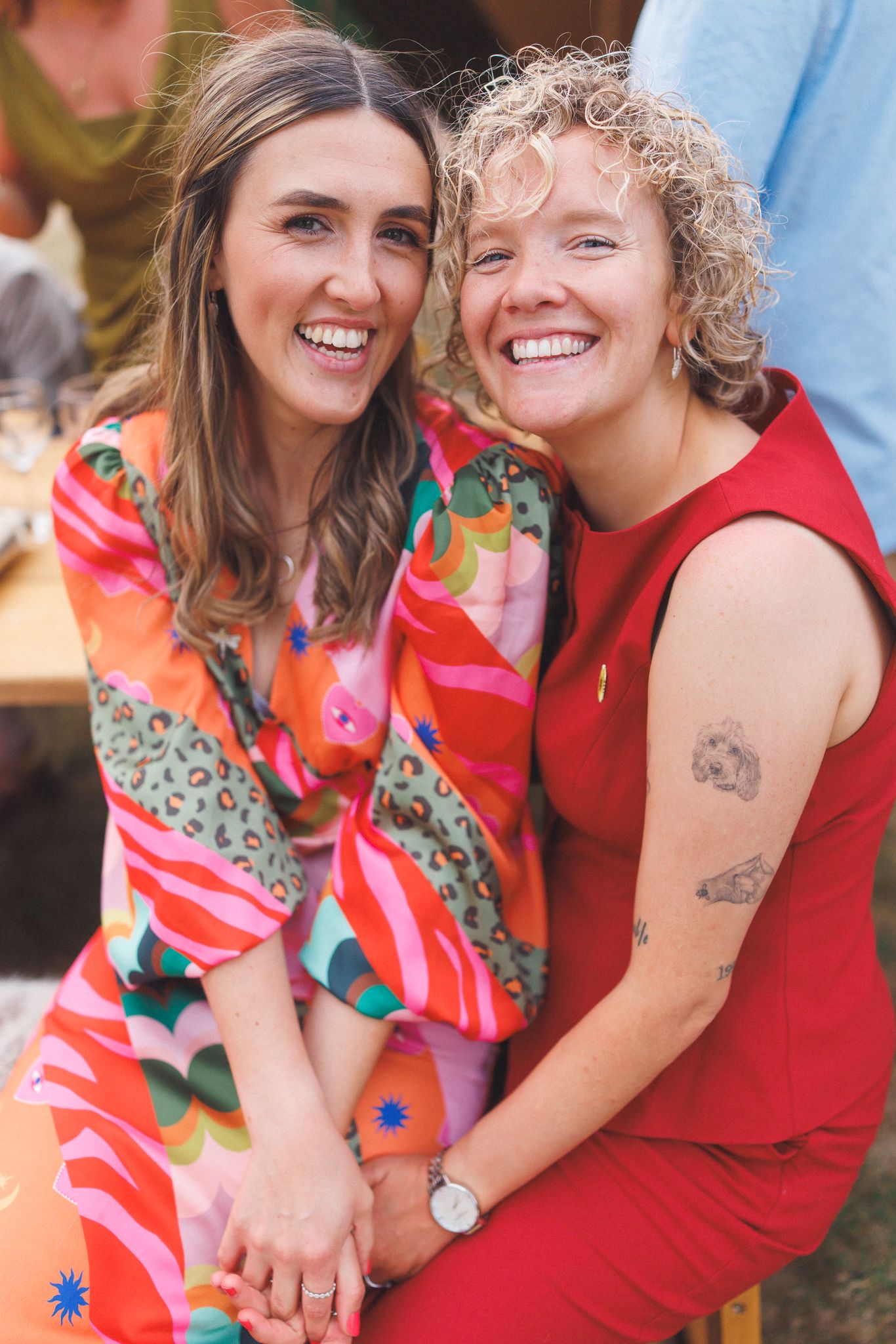
The Healing Power of Being Seen: Support After Miscarriage and Infertility Image

Miscarriage and infertility are far more common than most people realise. According to the World Health Organization, around 15% of pregnancies end in loss, and the true number is likely higher because many countries still do not record early miscarriages consistently. Yet despite how widespread pregnancy loss is, many women walk through it feeling completely alone.

For decades, miscarriage and perinatal loss were rarely spoken about. Even ten years ago, the topic was almost entirely taboo. Today, we are beginning to see more open conversations, more books, and more communities addressing this experience. But the silence of the past has left a long shadow. Many women still feel they have no space to share their grief or ask for support.

The Invisible Loss

What makes perinatal loss so uniquely painful is that, unlike the loss of an adult, it often comes without rituals, shared mourning, or meaningful social acknowledgement. When someone loses a parent or a friend, the world recognises their grief. There are ceremonies, traditions, and people who knew the person who passed away. Even when the pain is deep, it is held collectively.

But with miscarriage, whether at seven weeks or seven months, there is usually no one who knew the baby except the mother. She felt the early signs of pregnancy, imagined futures and plans, and formed emotional attachment long before anyone else did. When the pregnancy ends, she loses not only a potential child but also the hopes and dreams that had already begun to take shape.

Yet society often minimises this loss with phrases such as:

“Don’t worry, it was only 12 weeks.”

“You’ll try again.”

“You didn’t even meet the baby.”

These comments can be deeply painful. Many women describe feeling as if their grief does not count. The loss becomes invisible, and so does their pain.

Why Silence Makes Recovery Harder

When loss is not acknowledged, women often internalise their emotions. They may feel isolated, ashamed, or unsure whether their grief is normal. Many experience an overwhelming sense of guilt, even though miscarriage is almost never caused by anything the mother did or did not do. This guilt is one of the most common emotional reactions, yet one of the hardest to speak about. Without a safe space to express these feelings, grief can become heavier and lonelier.

The Role of Therapy and Coaching Together

Therapy and coaching both offer compassionate, structured support for anyone navigating miscarriage or infertility. Both create a safe emotional space where every feeling is allowed. Sadness, guilt, anger, jealousy, fear, confusion, exhaustion, hope, and even numbness are met with understanding rather than judgement.

Professionals who specialise in fertility and perinatal loss help women see that the guilt they feel is a natural part of grieving, not evidence of wrongdoing. They help normalise emotional reactions, reduce feelings of isolation, and offer tools for coping with stress, trauma, and decision fatigue. They can also help women prepare emotionally for future pregnancies if and when they decide to try again.

Therapists and coaches bring different strengths, but both play an important role in helping women feel seen and supported as they rebuild their emotional stability and confidence.

The Power of Community: Why Support Groups Matter

Support groups, such as the community created by The Worst Girl Gang Ever, offer something irreplaceable: connection with others who truly understand. No explanations. No minimising. No shame.

Being in a room, whether virtual or in person, with people who have experienced miscarriage or infertility breaks the sense of isolation. Women realise they are not the only ones who felt angry at pregnant friends, terrified of trying again, or overwhelmed by sadness months later. Hearing stories that mirror their own brings comfort, validation, and genuine relief.

Community does not erase the pain, but it transforms it from a silent burden into a shared experience that is witnessed and held.

You Do Not Have to Carry This Alone

Miscarriage is heartbreaking, and infertility is exhausting. But healing becomes possible when women are seen, heard, and supported. Whether through therapy, coaching, or a compassionate community, connection is what helps us move forward with both softness and strength.

If you are grieving a loss, please remember that your emotions are valid, your story matters, and you deserve support on this journey.

A Note About Me

I’m Yulia Osoyanu, a fertility coach and women’s health practitioner. My work is shaped by both my profes

sional background in psychology and emotional wellbeing, and by my own long journey through infertility and IVF.

I support women through miscarriage, fertility challenges, and the emotional weight that comes with them. My approach is gentle, compassionate, and grounded in helping you feel seen, understood, and supported.

You do not have to walk this path alone. I’m here to hold space for you, wherever you are.

Find me at https://fertilitycoaching4u.com/

Real voices,
real impact

Baby loss and infertility can feel isolating, but you’re not alone here. Hear from those who’ve found support, strength, and community with us.

“I’ve gotten more out of these sessions than I have in months of therapy. I am so so grateful for you guys. Truly. xo”

-Sammi, TFMR course attendee 🇺🇸

“This challenge has really helped me to feel like I’ve found my tribe & the people that just get me 🥰. It’s been so much more than just training for a run ❤️.”

-Edwina, Run 10k to Raise 10k participant

‘The chat is a lifeline! Baby loss can make you feel so isolated but, connecting with others who have been there makes it that bit more bearable xx”

Warriorship drop-In support call attendee

“Just a huge thank you from the bottom of my heart. A friend gave me your book a few days after my TFMR and reading it scraped me off the emotional floor. It validated all of the contradictory emotions I was feeling and made me feel so much less alone.”

Harri, Reader of the TWGGE survival guide

“I have never felt more connected on a deeper level emotionally, more understood, validated, and respected than with this amazing group of women who sadly like myself have been through the shittest time with fertility/baby loss. “

Baby loss support course attendee

“It would be no exaggeration to say this podcast has been a lifeline for me over the past couple of months and has seen me through some dark days. I’m so grateful to have found this community of women who are so funny, inspiring and knowledgeable. It makes me feel less alone.”

AshSunny87, Podcast listener

“Almost 4.5 years since I joined this god awful gang… but the worst girl gang ever is the best girl gang for support ❤️ thank you for helping so many lost and helpless women in their dark times! I don’t know how I found you but I’m so grateful for you both 🙌 you may never know how much I need you”

Instagram follower

From Loss to Light: Navigating Infertility, Loss, NICU and Beyond

Written by Courtney Jacobson

October 22, 2025

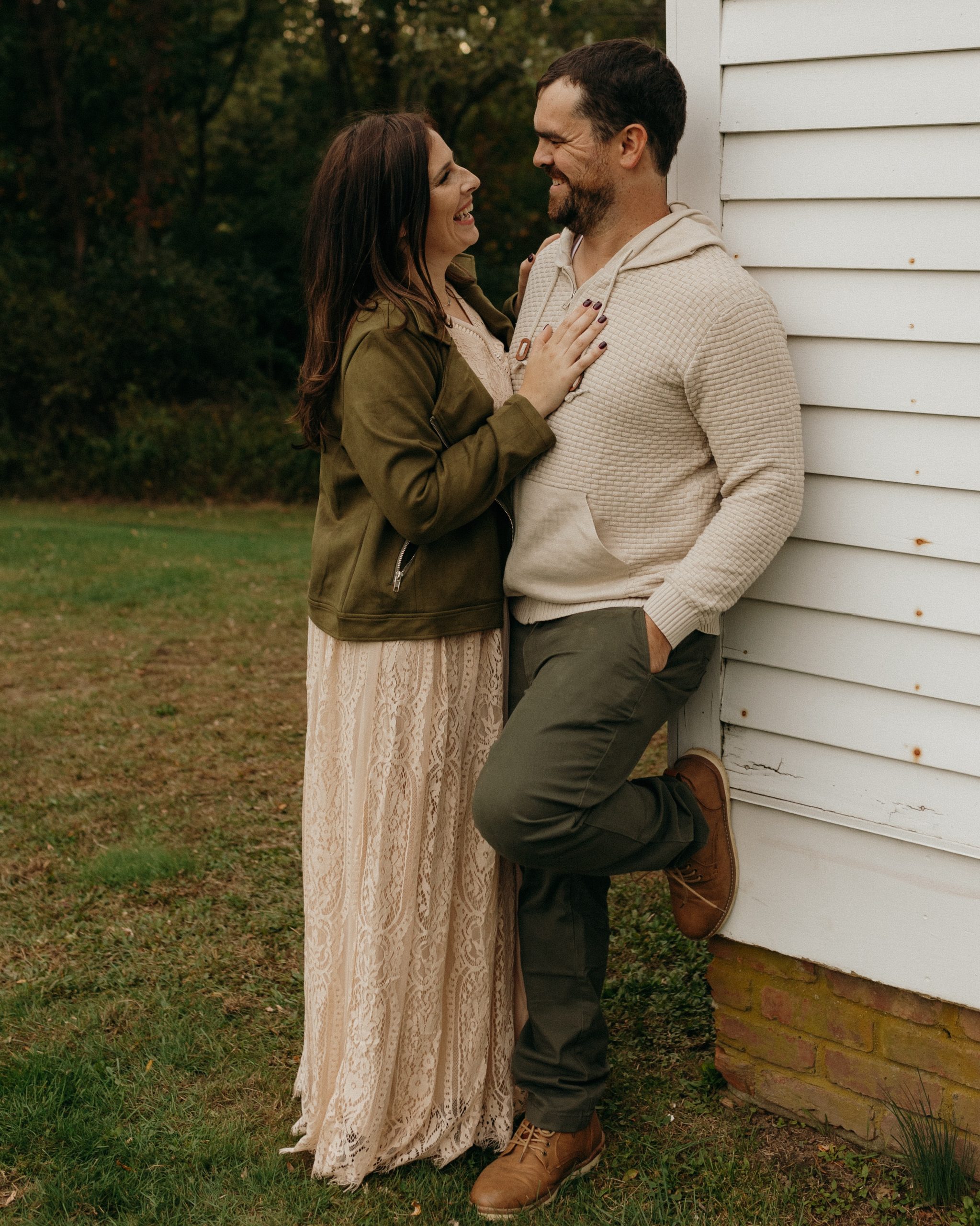
From Loss to Light: Navigating Infertility, Loss, NICU and Beyond Image

In this blog, Courtney shares her journey through infertility, pregnancy loss, a high-risk twin pregnancy, and 12 weeks in the NICU, revealing the raw emotions, challenges, and unexpected joys along the way. She also explains how these experiences led her to become a perinatal mental health therapist, supporting other parents through similar struggles.

I never imagined my path to motherhood would look like this: long months of waiting, doctors’ offices, heartbreak, and fear tangled with joy. I’ve lived through infertility, pregnancy loss, a high-risk twin pregnancy, 12 weeks in the NICU, and more losses after that. And somehow, through it all, I’ve also found my calling: walking alongside other parents in their hardest moments as a perinatal mental health therapist.

This is my story.

Infertility and My First Loss

We started trying to grow our family full of excitement and hope. Month after month passed, 15 in total, before we turned to a reproductive endocrinologist for help. By then it was 2020, and COVID slowed everything down even further.

We tried two IUIs without success. Our third IUI was different. My bloodwork came back positive; we were over the moon. But joy quickly gave way to uncertainty. My pregnancy was labeled a “pregnancy of unknown location,” and to be safe in case it was ectopic, I was treated with methotrexate. That one injection ended the pregnancy and forced us to wait before trying again.

I remember holding back tears at a family gathering when a cousin laughed and said, “I’m so fertile, if my husband looks at me, I’m pregnant.” In my head I was silently screaming, F** you. That’s the thing about infertility and loss, the world keeps making jokes while your heart quietly breaks.

Pregnancy After Loss

By November, we’d decided not to do a fourth IUI. The emotional and financial strain was too much. But then my in-laws offered to pay, and we gave it one last shot. I was certain it had failed… until my bloodwork came back positive.

At my first scan at 5.5 weeks, I learned we were having DiDi twins. Alongside the excitement came a flood of anxiety. I was now officially high risk. Every milestone brought new fears: a NIPT scare for a possible neural tube defect (thankfully not the case), and at 16 weeks, news that one of the boys wasn’t growing well.

By 23 weeks, doctors were preparing me for the possibility of letting Baby B pass in-utero to protect Baby A. We cried, we prayed, we toured the NICU. We hoped for more time.

At 29 weeks, after a battle with intrauterine growth restriction (IUGR) and a bout of food poisoning, my boys arrived. Looking back, I realize I only have three or four pictures of me pregnant. I avoided the camera; afraid I’d need to erase the evidence if things didn’t work out. Even buying cribs left me sobbing, I couldn’t shake the fear they’d never be used.

Our NICU Chapter

The NICU was overwhelming at first. The sounds, the beeps, the constant motion. My smaller twin was a micro preemie, fighting from his first breath.

Over 12 weeks, the NICU became a strange mix of trauma and gratitude. The nurses and doctors taught us how to care for our fragile babies, it felt at times like we had the world’s most expensive babysitters.

I’ll never forget walking in to find my son mid-bradycardia and apnea episode. His skin was gray. I picked him up, terrified he was gone. When his color returned, I stepped out so I wouldn’t throw up on the unit.

I kept asking my husband, “When will someone just tell us they’ll survive?” That reassurance never came, only incremental progress.

Bringing them home was both thrilling and terrifying. After months of constant monitoring, we were suddenly alone. I was petrified they’d choke while feeding, stop breathing overnight, or crash without warning. It took a long time to trust again. EMDR therapy played a big part in helping me heal.

More Losses

When the boys turned three, we decided to stop preventing pregnancy. My husband wasn’t ready for fertility treatments again, but to our shock, we conceived naturally. I was amazed.

At six weeks, spotting began. At ten weeks, during a visit to the high-risk office, I miscarried. The pain was excruciating, and I was sent to the ER for a D&E. Weeks later, the results confirmed a chromosomal issue and that we had lost a little girl. We named her Lucy. Knowing what motherhood feels like made losing her even more devastating.

Six months later, another positive test, followed by bleeding within days. It was a very early miscarriage. My reproductive endocrinologist told me my odds were now one in four for a successful pregnancy without IVF.

For each baby I’ve lost, I’ve bought a ring with their birthstone: emerald, ruby, amethyst. A friend calls them my “infinity rings.” They’re a small but tangible way of carrying my children with me always.

Finding My Purpose

During my high-risk pregnancy, I searched for a therapist who truly understood perinatal trauma and couldn’t find one. That felt unacceptable. I was a therapist myself, and even I couldn’t connect with the right help.

After my boys came home and I did my own EMDR work, I knew this was my calling. I wanted to be the therapist I needed back then. I never wanted another parent to feel lost in their search for understanding.

Now, as a perinatal mental health therapist, I have the privilege of walking with parents through infertility, pregnancy loss, pregnancy after loss, and NICU trauma. I’ve learned that healing doesn’t mean forgetting, and grief can live alongside joy. The most important thing I can offer, and that we can offer each other, is validation.

If You’re in the Middle of It Right Now

To anyone going through infertility, perinatal loss, pregnancy after loss, or the NICU, please know you are not alone. I’ve been where you are. I know the loneliness, the fear, and the aching love that loss leaves behind.

Please reach out to someone. A friend, a therapist, a support group. You do not have to carry this alone, and you can feel better. Not overnight, not in a straight line, but better.

Our babies, here and gone, will always matter. And so do you.

Real voices,
real impact

Baby loss and infertility can feel isolating, but you’re not alone here. Hear from those who’ve found support, strength, and community with us.

“I’ve gotten more out of these sessions than I have in months of therapy. I am so so grateful for you guys. Truly. xo”

-Sammi, TFMR course attendee 🇺🇸

“This challenge has really helped me to feel like I’ve found my tribe & the people that just get me 🥰. It’s been so much more than just training for a run ❤️.”

-Edwina, Run 10k to Raise 10k participant

‘The chat is a lifeline! Baby loss can make you feel so isolated but, connecting with others who have been there makes it that bit more bearable xx”

Warriorship drop-In support call attendee

“Just a huge thank you from the bottom of my heart. A friend gave me your book a few days after my TFMR and reading it scraped me off the emotional floor. It validated all of the contradictory emotions I was feeling and made me feel so much less alone.”

Harri, Reader of the TWGGE survival guide

“I have never felt more connected on a deeper level emotionally, more understood, validated, and respected than with this amazing group of women who sadly like myself have been through the shittest time with fertility/baby loss. “

Baby loss support course attendee

“It would be no exaggeration to say this podcast has been a lifeline for me over the past couple of months and has seen me through some dark days. I’m so grateful to have found this community of women who are so funny, inspiring and knowledgeable. It makes me feel less alone.”

AshSunny87, Podcast listener

“Almost 4.5 years since I joined this god awful gang… but the worst girl gang ever is the best girl gang for support ❤️ thank you for helping so many lost and helpless women in their dark times! I don’t know how I found you but I’m so grateful for you both 🙌 you may never know how much I need you”

Instagram follower

Laugh, So You Don’t Cry

Written by Grace Norris

October 15, 2025

Laugh, So You Don’t Cry Image

In this blog, Grace writes about her experience of falling pregnant by surprise in 2022, then facing the heartbreak of baby loss and a second miscarriage. She shares the impact of grief, PTSD, and the long road to finding support and hope again.

In 2022 I fell pregnant accidentally. To those of you reading this who have struggled with infertility and loss, I know that’s an incredibly jarring thing to hear. But bear with me.

I think we have all overheard or been part of conversations where people discuss getting pregnant just by looking at their partner. But if you desperately try to escape social situations where statements like that get thrown around, I promise you are not alone.

It was all blissfully simple until I began bleeding…

I was never sure about whether having children was for me which is so ironic to reflect on. I have always been very career-oriented, pushing myself to the limit at times to achieve my goal of becoming a solicitor. When I met my now husband I was honest that I had not made a decision about having babies. Then we fell pregnant and everything changed.

I was so apprehensive at first as it felt like a huge responsibility. This tiny life I needed to guard for nine months. We discussed names, started looking at baby clothes when we went shopping. It was all blissfully simple until I began bleeding when I was nearly eight weeks pregnant.

I went backwards and forwards to hospital and had scans and examinations. During one, we saw our baby’s heartbeat and the joy of that was such a wonderful thing. Despite it, I felt uneasy, as if we were on the precipice of a cliff where things could drop away beneath us at any moment. Intuitively, I knew something was wrong.

A week to the day after my birthday we went for another early scan. The night before we had been in A&E all evening because I was bleeding heavily. As there had been a strong heartbeat a few days prior to this, we were reassured, sent home and told to come back in the morning just to check on our baby.

I was excited to see the little heartbeat again. Except the room was deadly quiet. Then we were told the heartbeat had gone, our baby had died and I was in the throes of miscarrying it.

The sound of my husband quietly sobbing beside me that day will live with me forever. Shortly afterwards, a registrar told me to bring the ‘products of my miscarriage’ into hospital in a Tupperware if I wanted them tested. I just stared at him blankly.

I couldn’t cry at first, pure shock set in and I just felt numb. For those first few days we grieved together and I took medication to help my body expel our baby. We bought a plaque for the garden, naming our baby Patrick. I had a bracelet made with his due date  which I have not taken off since it arrived. There was no evidence that he was a boy, just a feeling we both had.

I threw myself back into work. As no one there had known I was pregnant until after our loss,  it was easy to distract myself. Those that did know told me I was young and could try again. Some said it was natural and that something must have been wrong. I smiled and disassociated until the topic changed.

Looking back, I was really struggling even then. I would sit in the garden for hours next to Patrick’s plaque to feel close to him and cry myself to sleep most nights. I carried on as usual but internally I was far from it.

A few anxious days after my positive test, I collapsed with pain at home in my bathroom

We decided to try again in January 2023. Each month I got my period was like a knife to my heart. I became consumed about falling pregnant. Around this time, all my friends were starting families of their own and I felt bereft that I was being left behind.

In May 2023, I found out I was pregnant again. Initially, I cried with happiness but that was sadly short lived. A few anxious days after my positive test, I collapsed with pain at home in my bathroom. I was taken to hospital where there were concerns that I was experiencing an ectopic pregnancy and one of my fallopian tubes had ruptured.

Eventually, it was determined that, unfortunately, I was having another miscarriage. Though I lost a lot of blood and needed to stay in hospital, they never managed to find the pregnancy on scans, so it was considered to be one of unknown location. Another consultant told me on the phone “don’t worry, you can try for another baby in a few months.” This time, I wept.

I wasn’t offered a face-to-face appointment to ask questions or even given a bereavement leaflet but I can honestly say that I didn’t feel anything at the time. I refused to allowed myself to. I was back at work three days later, with my managers asking if I was sure I was ready.

Of course, I said yes. Anything to distract myself to pretend it hadn’t happened. That was how I coped, immersing myself in my career. Although I’m sure at the time my colleagues could see right through me. I didn’t want to be noticed. I didn’t want anyone to talk to me about it. I wanted to make it all disappear. I made jokes and cracked smiles like they were going out of fashion but on the drive home from the office the weight of it all would feel suffocating.

As a couple, we decided to take a break from trying to conceive for a few months to recover. During this time, my mental health began to deteriorate rapidly. I went to my GP to ask for help and they offered me antidepressants but told me that any counselling would not be available for six to eight months.

I sought therapy privately, trying several different counsellors who said they specialised in baby loss. I recall vividly one communicated by WhatsApp and her profile picture was her holding a newborn. Unsurprisingly, I didn’t connect with any of them. At the time, I was struggling to process what had happened, so talking about it with a stranger felt impossible.

I was so very angry, full of rage and sadness for the two loved children we had lost. But there was no one to blame for it. If you have had a miscarriage, you will know that medicine is not able to provide much comfort. I wanted a point to focus my fury on and, when that was nowhere in sight, I turned it inwards towards myself instead.

The period that followed was one of the darkest of my entire life. Grief and I are not strangers and many people are touched by it throughout their lives. But miscarriage is such a personal pain, it truly feels like being betrayed by your own body. The tiny baby you want so badly to hang onto that slips between your fingers without your consent.

I was familiar with the symptoms of PTSD. My area of specialism as a solicitor is clinical negligence and through this I have worked with many claimants who suffer from the condition following traumatic and life changing events.

Somehow though, I missed my own diagnosis entirely. I was struggling to sleep through the night and having regular, terrible dreams about being back in a scan room, hearing our baby had died. I couldn’t focus and felt constantly on the verge of tears. I avoided seeing friends or family and had intense anxiety about social situations.

I started experiencing flashbacks. Once, when I was shopping in a supermarket, I disassociated entirely for several minutes much to the concern of a friend who was with me.

Throughout this period, I felt like I could hold it together if I was good at my job. If I supported others going through hardship and felt happy for those who had been blessed with a successful pregnancy. But, ultimately as much as I tried, I got to a point where I could no longer paper over the cracks.

My marriage was struggling because I refused to discuss my distress with my husband. I lost friendships because I couldn’t bear to see their children who were the same age as our first child would have been had they lived. No matter how many meditation sessions I attended or self help books I read, things were not improving.

Eventually, I could no longer keep up the facade. I spent an entire weekend crying on my sofa before my husband and mum persuaded me to go to the GP for help. I met with my current GP, feeling a huge amount of distrust and anxiety. I was sure they wouldn’t understand.

So many of my interactions with medical staff before had been handled insensitively but she spent an hour and a half listening to me. I told her everything but she didn’t flinch and instead reassured me that it was okay to feel that way. I was signed off work for a month and put in touch with a brilliant therapist.

It reminds me that our babies were real, that I carried them and will always be their mother.

I was hugely lucky to have an incredible network of people who didn’t give up on me, even when I went months without replying to their texts. I was also privileged to be able to access therapy. I started the process of trying to navigate emotions and feelings that I had buried for years, undergoing trauma therapy following a diagnosis of PTSD.

It wasn’t easy and, to an extent, the darkness I have lived with since we lost our first child in 2022 has become a companion. It reminds me that our babies were real, that I carried them and will always be their mother.

I worried about my job, the career I had worked so hard for but my employer and managers were wonderfully understanding, supporting me to attend therapy and helping me return to work at the beginning of this year.

My experiences have brought a new perspective into my career. I could see how good medical care during times of intense trauma is so important. How crucial being kind is in the face of something deeply unfair. I understood the weight of loss, the pain of PTSD and the long-lasting consequences that reach into every aspect of your life.

It is my greatest privilege to be able to support parents who have suffered the loss of a child through working on stillbirth and neonatal death clinical negligence claims. I am often asked how I cope with handling such desperately sad cases. The truth is that it gives me immense purpose to try to find answers for grieving families, to support them at the worst time of their lives and to help them in their journey forward – whatever that looks like.

However, I still personally wish that there was far more support for women experiencing miscarriage and infertility. I understand the pressures that doctors and nurses are under but it costs nothing to be sensitive in that small moment. You may not remember it but I promise you that the patient will.

Amazing progress has been made in campaigning for improvements to obstetric and gynaecology care across the UK, but we still have some way to go. I am optimistic that one day we will understand more about why miscarriages happen and that parents who go through this will not be left in the dark to suffer alone.

For me, it’s one of those ‘laugh so you don’t cry’ situations.

Although my husband and I have been trying to conceive again since December 2023, we are still waiting for our happy ending. I am now facing fertility treatment in the hope we can have a family so I am sure you will see the irony of my situation given that I was never sure about having children and fell pregnant by accident! For me, it’s one of those ‘laugh so you don’t cry’ situations.

To those of you who are going through baby loss or infertility of any kind, I send my utmost love. The grief does not get lighter but you become more equipped to carry it, until one day you realise that it isn’t holding you underwater anymore. You are allowed to feel grief. Moreover, those feelings are entirely valid so do not let anyone, including yourself, convince you otherwise.


Grace has also kindly written as a professional resource on Clinical negligence claims – seeking answers after a loss. To get support and advice you can read her article here.

Real voices,
real impact

Baby loss and infertility can feel isolating, but you’re not alone here. Hear from those who’ve found support, strength, and community with us.

“I’ve gotten more out of these sessions than I have in months of therapy. I am so so grateful for you guys. Truly. xo”

-Sammi, TFMR course attendee 🇺🇸

“This challenge has really helped me to feel like I’ve found my tribe & the people that just get me 🥰. It’s been so much more than just training for a run ❤️.”

-Edwina, Run 10k to Raise 10k participant

‘The chat is a lifeline! Baby loss can make you feel so isolated but, connecting with others who have been there makes it that bit more bearable xx”

Warriorship drop-In support call attendee

“Just a huge thank you from the bottom of my heart. A friend gave me your book a few days after my TFMR and reading it scraped me off the emotional floor. It validated all of the contradictory emotions I was feeling and made me feel so much less alone.”

Harri, Reader of the TWGGE survival guide

“I have never felt more connected on a deeper level emotionally, more understood, validated, and respected than with this amazing group of women who sadly like myself have been through the shittest time with fertility/baby loss. “

Baby loss support course attendee

“It would be no exaggeration to say this podcast has been a lifeline for me over the past couple of months and has seen me through some dark days. I’m so grateful to have found this community of women who are so funny, inspiring and knowledgeable. It makes me feel less alone.”

AshSunny87, Podcast listener

“Almost 4.5 years since I joined this god awful gang… but the worst girl gang ever is the best girl gang for support ❤️ thank you for helping so many lost and helpless women in their dark times! I don’t know how I found you but I’m so grateful for you both 🙌 you may never know how much I need you”

Instagram follower

Grief is a Thief: How ‘When’ Becomes ‘If’

Written by Clare O’Driscoll

October 8, 2025

Grief is a Thief: How ‘When’ Becomes ‘If’ Image

Pregnancy after loss is a rollercoaster of fear, hope, and constant “what ifs.” In this blog, Clare shares her journey from miscarriage to IVF, the shift from saying when to always fearing if, and the relief of finally holding her miracle baby. Read on to discover her powerful story of heartbreak, resilience, and hope.

I’ve never written anything like this before. I’m not into journaling, and writing anything down in the fog of my grief was not helpful to me. But just now I am sitting here on a plane and listening to a very excited, very newly pregnant woman, use the term ‘when.’

Now you may be thinking that this is all perfectly normal. Yes… Yes it is normal. But my heart stopped beating just for a second in pain. Pain for all my missed ‘whens’.

After three years of unexplained infertility (including the dreaded Covid 2020 year), my husband and I, newly settled in the USA, finally had our first IVF appointment. We were excited to begin. Our doctor was very honest with us and shared the statistics that our 39 year old selves had to digest. But we remained hopeful.

I felt the dreaded ‘period style’ drip

Now, you wouldn’t believe it, but that very month we became pregnant naturally. Wow, we thought. That’s it! We were just stressed! We excitedly started planning for ‘when’ our baby arrived, even buying our first house together. We’d planned the nursery for ‘when’ the baby arrived, had discussed names for ‘when’ he or she was here. We’d sailed through the HCG testing and our first two early scans, at 6 and then 8.5 weeks. Everything looked great, the chance of miscarriage was down to below 3% and so we started sharing with our friends and family. Everyone was so truly excited for us, having known how desperately we wanted a baby.

And then, one sunny morning, at 11.5 weeks pregnant, while I was soaking up the spring sun and waiting for contractors at our new house, I felt the dreaded ‘period style’ drip. Rushing into the bathroom, I stared in horror at the brown stains in my underwear. I immediately called my OB’s office and they calmly told me it was probably nothing to be concerned about but to come in the next day for a scan to check. Now, this was at 2:30pm. How on earth could I last for 21 hours? The panic inside me rose and my husband made the executive decision to go to the ER. One painful four hour wait, a torturous and silent internal scan and an, ‘I’m so very sorry,’ later, our world came crashing down around us. “You’ve had a missed miscarriage. We estimate the fetus died at around 9 weeks.”

And that was it. We were sent on our way with a big pack of thick sanitary towels. No leaflets to explain our options. No explanation of what might happen next. No support line to contact. Just a, “Call your OB in the morning and they’ll see you to talk about the next steps.”

And then two days later, it was all over. My baby was gone

The next 24 hours were (and still are) a fog to me. I remember at one point screaming at my husband to, “Get it out of me. It’s dead. Get it out of me.” Flashes of his panicked phone calls to the OB’s office where he begged them to see me earlier and to make sure I didn’t have to encounter any pregnant women or new babies when I visited. Crying and keening for my baby when I had to, indeed, wait in the hallway to schedule my D&C and see pregnant women checking out of their appointments. Desperately trying to ignore their sympathetic looks as they rubbed their perfect bumps.

And then two days later, it was all over. My baby was gone. And I felt the most dead and numb inside I’ve ever felt. If I was to give those days a color, it would be black. Just black. Black and blank. Lonely. Empty.

A few days passed like this before a beautiful friend reached out to me and suggested that I take a look at an Instagram account she had heard about. “It’s called TWGGE, The Worst Girl Gang Ever. It might help you know; to know that you aren’t alone.” As I tentatively scanned their posts, my tears were a river. Here were women that got it.

Signing into that first online meeting, actually laughing as Bex and Laura acknowledged how the whole situation was ‘so f*cking sh*t,’ felt like being wrapped in a big fluffy blanket and being told that everything would eventually be okay.

Throughout the next few months, that online community of strong, resilient women kept me afloat. Finding crumbs of joy in my days became my mantra. I healed. I started exercising again. My body felt better. I stopped feeling like I was a failure. Eventually I felt strong enough to visit the IVF clinic again.

Now, our IVF story is a topic for another essay on another day; a deep dive into the endless needles, the drugs, the scans with my buddy Wanda, and waiting (oh, so much waiting!) But six months, and two retrieval cycles later, we had done it! We had three frozen perfect PGT-A tested little embabies. We were ready. Or so we thought.

At that point I recognised that my ‘ifs’ would never again be ‘whens’.

After losing a baby, I’m not sure you can ever be ready to jump into an IVF transfer. I realize now that ignorance was bliss. I had no idea of the terror I would feel during that 9 day wait. Then the intense fear of those first phone calls about the HCG levels (of which mine, of course, didn’t follow a normal rise) and struggling with the wait to 6 weeks to confirm the pregnancy was actually there. This time we only told our closest friends and family. In my head, I just thought if I could get to 12 weeks, then I’d feel more confident. Seeing blood in my underwear again at 6.5 weeks had me throwing up and convinced that it was all over (baby was fine – no one had told me about the higher likelihood of early bleeds in an IVF pregnancy).

At the 12 week scan I suddenly realised that nothing was ever going to make me feel confident in this pregnancy. At that point I recognised that my ‘ifs’ would never again be ‘whens’. While everyone around me was saying ‘when the baby is here,’ in my head it would always be ‘IF the baby makes it earth-side.’

Another huge knock-back at the 20 week scan, where we discovered our daughter had a velamentous cord insertion and possible vasa-previa, had my mental health spiralling. Being told that my baby was likely to be born at 34 weeks with a NICU stay was like sandpaper on my soul. Why? We kept asking ourselves. Why us? How is this fair?

But somehow we did make it though. Our little miracle fought like a trooper to make it earth side. Nuggets of joy happened; the first kick. The hilarious 4D scan, where she was hiding and I had to dance her into a good position! The 30 week scan where we found out the vasa Previa had resolved and we could go full term. We tried to celebrate these little wins, but at no point in my mind did the ‘if’ become a ‘when’.

At 38 weeks and 3 days, our beautiful daughter was born via c-section. ‘When’ she was finally placed on my chest, I took the first deep breath I had taken in nearly 9 months. The relief that she was in my arms and I could see her little chest rising and falling was overwhelming.

Nothing, and I mean nothing, can prepare you for the experience of pregnancy after loss. It is a wild rollercoaster where you spend every spare second checking your underwear, analyzing each symptom, googling long into the night, and, in my case, praying to every god, angel and fairy out there for the health of my unborn child.

So as I sat there on the plane, coincidentally a few days before my second IVF transfer, listening to this excited mother to be, I made a promise to myself. IF I am lucky enough to have a second miracle pregnancy, I will make a conscious choice to use the word WHEN.

Real voices,
real impact

Baby loss and infertility can feel isolating, but you’re not alone here. Hear from those who’ve found support, strength, and community with us.

“I’ve gotten more out of these sessions than I have in months of therapy. I am so so grateful for you guys. Truly. xo”

-Sammi, TFMR course attendee 🇺🇸

“This challenge has really helped me to feel like I’ve found my tribe & the people that just get me 🥰. It’s been so much more than just training for a run ❤️.”

-Edwina, Run 10k to Raise 10k participant

‘The chat is a lifeline! Baby loss can make you feel so isolated but, connecting with others who have been there makes it that bit more bearable xx”

Warriorship drop-In support call attendee

“Just a huge thank you from the bottom of my heart. A friend gave me your book a few days after my TFMR and reading it scraped me off the emotional floor. It validated all of the contradictory emotions I was feeling and made me feel so much less alone.”

Harri, Reader of the TWGGE survival guide

“I have never felt more connected on a deeper level emotionally, more understood, validated, and respected than with this amazing group of women who sadly like myself have been through the shittest time with fertility/baby loss. “

Baby loss support course attendee

“It would be no exaggeration to say this podcast has been a lifeline for me over the past couple of months and has seen me through some dark days. I’m so grateful to have found this community of women who are so funny, inspiring and knowledgeable. It makes me feel less alone.”

AshSunny87, Podcast listener

“Almost 4.5 years since I joined this god awful gang… but the worst girl gang ever is the best girl gang for support ❤️ thank you for helping so many lost and helpless women in their dark times! I don’t know how I found you but I’m so grateful for you both 🙌 you may never know how much I need you”

Instagram follower

The Do’s and Don’ts: Conversations with Loved one’s Struggling to Conceive

Written by Rosie Buckley

October 1, 2025

The Do’s and Don’ts: Conversations with Loved one’s Struggling to Conceive Image

Infertility and baby loss are painful enough without the sting of well-meant but hurtful comments. From “Just relax” to “At least you can get pregnant”, these phrases can leave lasting scars. In this blog, Rosie explores why they hurt so deeply and share what you can say instead to truly support someone on this journey.

Struggling to conceive can be difficult to navigate, and create intense emotions like anxiety, grief, hope and heartbreak. There can be a lot of unknowns, and how a person or couple feels can often invisible to the outside world. Infertility is actually very common, and is something 1 in 6 couples face globally. Despite this, infertility still has stigma attached to it, which can cause people to isolate themselves and stay silent. When a loved one opens up about their fertility struggles, it can be a vulnerable time for them. How you respond matters!

You might say something that you think is helpful, but it can lead to unintentional pain. Let’s look at some common phrases people tend to say and why they can be hurtful.

“You Need To Relax. It Will Happen”

Some people say this with the intention to be reassuring. For someone going through fertility treatment or receiving repeated disappointments, this can actually feel extremely invalidating.

This comment implies that their infertility is caused by stress, not biology, and that everything would be okay if they were more laid back. The truth is that infertility is often caused by certain medical conditions, like polycystic ovarian syndrome (PCOS), endometriosis, low sperm count, or unexplained factors. You can’t make everything better with a positive mindset or by staying calm; it doesn’t work like that.

A Better Approach:

Acknowledge their effort and their strength. You might say something like, “I can only imagine how overwhelming this must be for you. I’m here for you if you need me.”

“At Least You Know You Can Get Pregnant.”

This is often said after someone has had a miscarriage, chemical pregnancy, or failed IVF attempt. The intent might be to make them feel better, but it often comes off as hurtful. No matter how many weeks along, pregnancy loss can be full of grief and heartbreak. Telling someone to focus on the fact that they’re able to get pregnant can invalidate their mourning.

What to Say Instead:

“I’m so sorry for your loss. I’m here if you want to talk or if you just need company.”

“Everything in Life Happens For a Reason.”

You might want to make sense of what they’re going through, but this comment isn’t helpful. Suggesting that there is a greater purpose behind their pain can dismiss their grief.

A Better Option:

Validate their feelings and instead, try saying: “That sounds heartbreaking, I’m sorry you’re going through this.”

“Maybe It’s Not Meant to Be.”

Some people say this to offer closure, but it’s very hurtful and does the opposite. This comment suggests giving up, that their hopes are unrealistic, and that the universe has already decided against them. For someone putting their all into creating a family, this can dismiss their dreams of becoming a parent.

Instead, Say Something Like:
“I can’t imagine how hard this has been for you. I really admire that you continue to hold hope.”

“You’re Still Young, You Have Plenty of Time.”

This disregards what they’re going through and makes out that they’re overreacting or that their grief isn’t important. Yes, fertility can decline with age, but young people can experience reproductive challenges too.

Instead, Try Saying This:

“Whatever happens next, I’m always here for you whenever you need me.”

So, What Should You Say?

If you’re worried about saying the wrong thing, remember to be kind, lend a listening ear, and try not to fix their problem. Infertility is so difficult to experience, but the right kind of support can make managing the hurt a little easier. Here are some supportive phrases you can say:

  • “I’m so sorry you’re going through this.”
  • “I can’t say anything to make it better, but I’m here for you.”
  • “You don’t have to talk about it if you don’t want to, but I’m always here to listen.”

Final Thoughts

People don’t want unsolicited advice when they’re struggling to conceive. They need your support, and this is something they’ll remember and appreciate too. At The Worst Girl Gang Ever Foundation, we bring people together to heal, share and support each other through miscarriage, baby loss and infertility. Look at our website to see how you could benefit from our support.

Real voices,
real impact

Baby loss and infertility can feel isolating, but you’re not alone here. Hear from those who’ve found support, strength, and community with us.

“I’ve gotten more out of these sessions than I have in months of therapy. I am so so grateful for you guys. Truly. xo”

-Sammi, TFMR course attendee 🇺🇸

“This challenge has really helped me to feel like I’ve found my tribe & the people that just get me 🥰. It’s been so much more than just training for a run ❤️.”

-Edwina, Run 10k to Raise 10k participant

‘The chat is a lifeline! Baby loss can make you feel so isolated but, connecting with others who have been there makes it that bit more bearable xx”

Warriorship drop-In support call attendee

“Just a huge thank you from the bottom of my heart. A friend gave me your book a few days after my TFMR and reading it scraped me off the emotional floor. It validated all of the contradictory emotions I was feeling and made me feel so much less alone.”

Harri, Reader of the TWGGE survival guide

“I have never felt more connected on a deeper level emotionally, more understood, validated, and respected than with this amazing group of women who sadly like myself have been through the shittest time with fertility/baby loss. “

Baby loss support course attendee

“It would be no exaggeration to say this podcast has been a lifeline for me over the past couple of months and has seen me through some dark days. I’m so grateful to have found this community of women who are so funny, inspiring and knowledgeable. It makes me feel less alone.”

AshSunny87, Podcast listener

“Almost 4.5 years since I joined this god awful gang… but the worst girl gang ever is the best girl gang for support ❤️ thank you for helping so many lost and helpless women in their dark times! I don’t know how I found you but I’m so grateful for you both 🙌 you may never know how much I need you”

Instagram follower

Together, we lift each other up

Through The Worst Girl Gang Ever Foundation, your donation helps provide support, education, and a safe space for those who need it most.

72.2k

Community Members