Unexplained, Unexplored: Finding Answers after Recurrent Loss
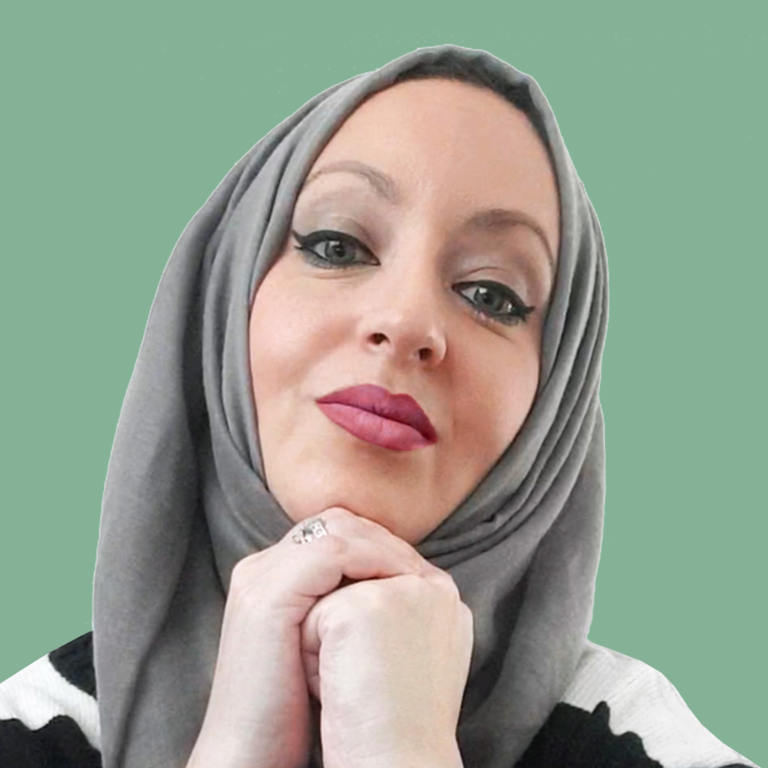
Written by Paige Thompson

March 24, 2026

Unexplained, Unexplored: Finding Answers after Recurrent Loss Image

After a year of trying, we were struggling to fall pregnant. I was convinced the stress from my teaching job wasn’t helping, so I left at the end of the academic year.

I fell pregnant immediately.

At 9 weeks, I started bleeding and went to A&E.

I showed all the reassuring signs: high HCG levels, only light bleeding, and a closed cervix. I was sent home with an early scan scheduled in 10 days.

Over the next week, the bleeding worsened. At 10 weeks, I had heavy bleeding and cramps. I woke up around 3 a.m. in intense pain. Everything I’d read said miscarriage felt like a heavy period and you wouldn’t pass anything noticeable. But I was alone—my husband works away—and terrified.

My mam arrived just in time. The pain became unbearable, I was vomiting and nearly passed out on several occasions.

My body went into labour; I was having contractions.

When it was over, I saw my baby on the floor, still in their gestational sac, with a visible head and spine.

I rushed to hospital and was met with a dismissive doctor. She questioned if I’d even been pregnant, and when I mentioned passing my baby she said she “wasn’t convinced”. She returned an hour later with, “Yeah, it looks like you actually have had a miscarriage,” followed by a shrug. No guidance, no follow-up plan, just sent on my way. Thankfully, I already had an early pregnancy unit (EPAU) appointment where they finally checked me properly.

When we were ready to try again, I fell pregnant immediately. This time I pushed for progesterone and low-dose aspirin, which can help support early pregnancy. We booked a private scan at just over 8 weeks.

I cried in the waiting room while my husband reassured me everything would be fine. It wasn’t.

Our baby was measuring 3 weeks behind. The sonographer suggested I might have miscalculated, but I knew I hadn’t. Our baby had died weeks ago, and I had no idea.

A week later, they confirmed a missed miscarriage. I had to decide how to remove my baby from my body. I chose surgical management—I couldn’t face the physical pain again.

I began researching and suspected my autoimmune condition was affecting my pregnancies. After being dismissed by one GP, I begged another for a referral to a gynaecologist. But my hospital only accepts referrals after three consecutive miscarriages. They agreed to test my thyroid and screen for lupus—both came back normal.

I was told we’d just have to wait for a third miscarriage. I felt like I was screaming for help and no one was listening.

Again, I fell pregnant right away. A day later I spotted, so I began monitoring my HCG levels. They continued to rise for a week, and I let myself hope. I had a scan booked for 6 weeks—two days before what should have been my original due date. The sonographer couldn’t see any sign of a pregnancy. Blood tests showed my HCG had dropped drastically. The next day, I began bleeding. On the day I should’ve met my baby, I was miscarrying my third.

This time, I was finally referred to a gynaecologist and added to the NHS waiting list. But I knew it would be months.

Just before my third miscarriage, I met Louise, a traditional Chinese medicine and acupuncture practitioner who specialised in fertility. The herbs and treatments were helpful, but more importantly, she offered something I hadn’t received from medical professionals: care.

It was the first time I felt someone truly listened and cared about what I was going through.

I checked the NHS list—I was looking at a 9-month wait, only to repeat tests I’d already had and be prescribed what I was already taking. I felt completely let down. Louise referred me to a private gynaecologist who specialised in reproductive immunology.

They retested my thyroid—properly this time—and discovered my TSH was too high, something that should have been caught months earlier. A uterine microbiome test showed harmful bacteria in my uterus. While these levels might not affect a typical pregnancy, given my history, I was prescribed antibiotics.

The final test was a full immunology panel. It confirmed my autoimmune condition was behind my losses. My immune system was on high alert with too many overactive NK cells. Without intervention, it would be surprising if I didn’t miscarry again.

In one sense, I was relieved—I’d known something was wrong. But knowing it was my body causing our losses brought overwhelming guilt, even though it wasn’t my fault.

I now take a cocktail of supplements and medications to hopefully help me carry to full term.

I suffered immensely, especially after the first miscarriage. I had daily flashbacks, was constantly on the verge of tears, and struggled with basic decisions. Even now, I get intrusive thoughts that leave me snappy and irritable.

People try to comfort you, but often it hurts more. Well-meaning comments like “There was probably something wrong with it,” or “At least you can get pregnant,” minimized what I’d gone through and made it feel like my babies weren’t real. These statements implied I should just move on—be grateful, even.

We’d never talk about other types of death this way, so why miscarriage?

You’re encouraged to try again before the HCG has even left your system, like that will fix everything. But I feel robbed. Robbed of a carefree pregnancy. I’ll never get to experience that.

I tried to shield myself from pregnancy announcements and bump photos. But after my first miscarriage, I wanted to tell my best friend in person. She kept apologising—and I knew. She was pregnant. It added another layer to my grief. People assumed I hated her or that she’d hurt me intentionally. But I wasn’t upset she had a baby. I was heartbroken that I had one—and they died. Seeing her reminded me of what I’d lost, where I should’ve been. We should’ve gone through it together. She deserved a joyful reaction and got my grief instead.

Society still minimises miscarriage, both physically and emotionally.

You’re too quickly labelled “unexplained,” when really it’s just “unexplored.”

After loss, even the language changes. You’re no longer pregnant with a baby—you’ve got “pregnancy tissue” or even worse “retained products of conception.” Even the term miscarriage can feel like it places blame on the mother.

There’s so much more that can be investigated—but we’re not told. Miscarriage is still wrapped in silence and shame. I always had sympathy for women who’d lost babies, but until you’ve experienced it, you can’t fully understand.

I understand now. But I really wish I didn’t.

Real voices,
real impact

Baby loss and infertility can feel isolating, but you’re not alone here. Hear from those who’ve found support, strength, and community with us.

“I’ve gotten more out of these sessions than I have in months of therapy. I am so so grateful for you guys. Truly. xo”

-Sammi, TFMR course attendee 🇺🇸

“This challenge has really helped me to feel like I’ve found my tribe & the people that just get me 🥰. It’s been so much more than just training for a run ❤️.”

-Edwina, Run 10k to Raise 10k participant

‘The chat is a lifeline! Baby loss can make you feel so isolated but, connecting with others who have been there makes it that bit more bearable xx”

Warriorship drop-In support call attendee

“Just a huge thank you from the bottom of my heart. A friend gave me your book a few days after my TFMR and reading it scraped me off the emotional floor. It validated all of the contradictory emotions I was feeling and made me feel so much less alone.”

Harri, Reader of the TWGGE survival guide

“I have never felt more connected on a deeper level emotionally, more understood, validated, and respected than with this amazing group of women who sadly like myself have been through the shittest time with fertility/baby loss. “

Baby loss support course attendee

“It would be no exaggeration to say this podcast has been a lifeline for me over the past couple of months and has seen me through some dark days. I’m so grateful to have found this community of women who are so funny, inspiring and knowledgeable. It makes me feel less alone.”

AshSunny87, Podcast listener

“Almost 4.5 years since I joined this god awful gang… but the worst girl gang ever is the best girl gang for support ❤️ thank you for helping so many lost and helpless women in their dark times! I don’t know how I found you but I’m so grateful for you both 🙌 you may never know how much I need you”

Instagram follower

Holding feelings and honouring grief: why we all have a role to play 

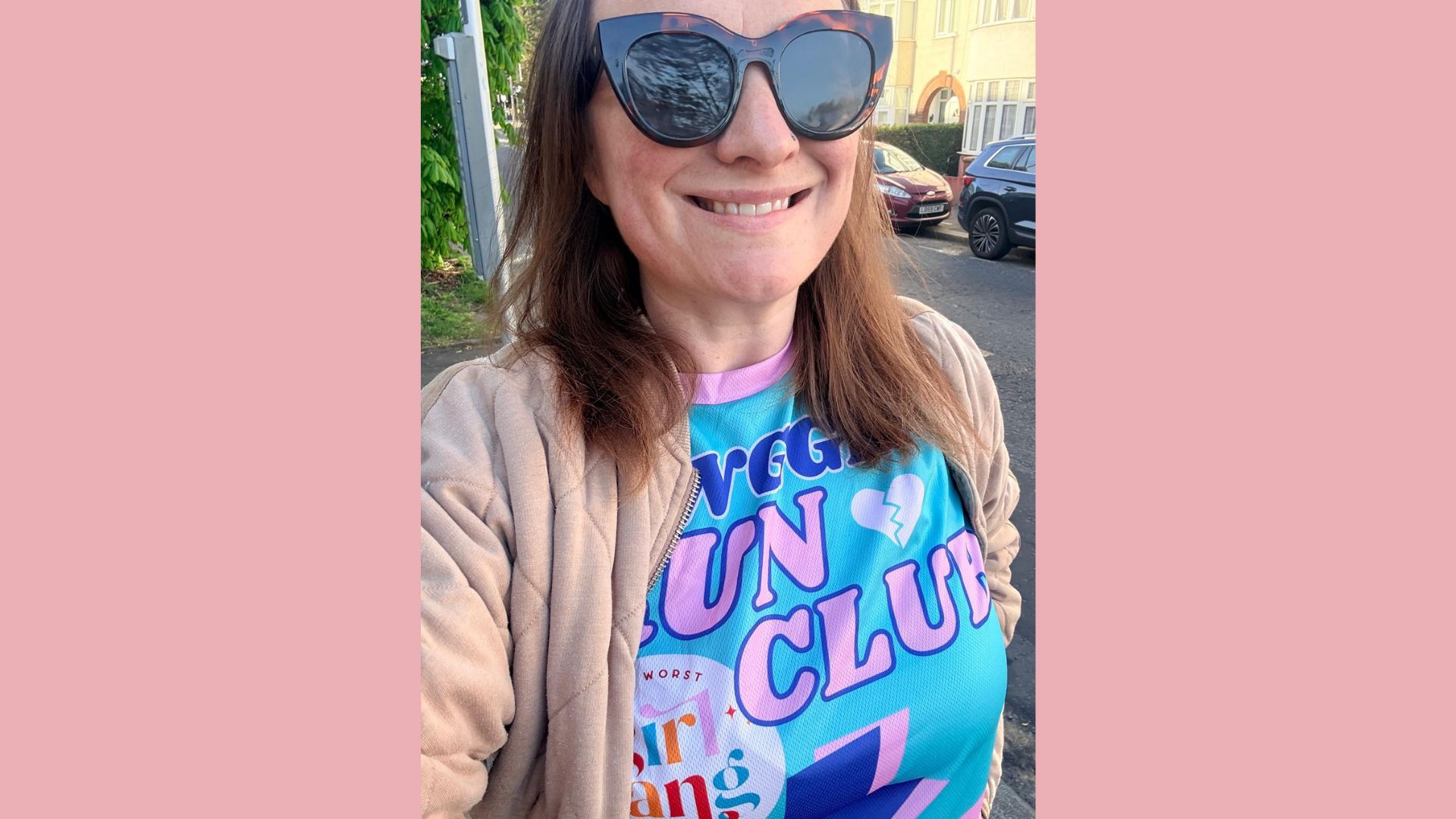
Written by Amy J

March 17, 2026

Holding feelings and honouring grief: why we all have a role to play  Image

I am the biggest fan of Autumn. Cold fresh days, blue skies and crunchy leaves. Last year though, it was different. The freshness in the air, light of an autumn sun and the rituals of going to collect wood were visceral reminders of the joy, and then the nightmare of the year before.

I watched the leaves turn red as I had to terminate my baby for medical reasons. A choice that is not a choice. A situation that I have tossed and turned and battled with for the last year to try and find any possible way that there could have been a different outcome. 

I was overjoyed to find out I was pregnant. But, it became very clear very quickly that this was not straightforward.

It was a rare situation that was not in the experience of the clinicians around me, and so I was kicked from consultation to consultation with sympathetic smiles and no answers. I tried to fill the gaps in knowledge and actions by desperately trying to decipher scientific papers, calling and emailing anyone in the health system or academia who would listen, and searching for the few examples in the world where this had been documented.

We eventually found someone willing to give us some clear advice, and while clear is kind, it was also heartbreaking. 

My TFMR was required for my own health, and despite fighting so hard to find any other option possible, it continues to require a conscious effort to not feel like I failed my baby. For anyone who has experienced a first trimester loss, they will know that the number of weeks has absolutely no bearing on the love, life or future that you dream for your child.

An early pregnancy is still a baby. TFMR is not a choice. I did not fail. I do have the right to grieve.

Recognising trauma and allowing myself to grieve is sadly a lesson I’ve learned more than once. 6 years ago, I was laughed out the door of the GP when I asked if my symptoms could be linked to my IUD. 2 days later, I was rushed into emergency surgery to have my fallopian tube and an ectopic pregnancy removed. The post-surgery prognosis of 2 weeks to be ‘back to normal’ gave no indication of the need to process the trauma of the experience, and it took me years to realise I had the right to grieve this too.

I could go on for years about the reforms needed in our health system to provide the adequate care, compassion and advice to support parents navigating uncertainty, trauma and loss. But if there is one thing that makes these experiences harder, it is the societal expectations. Not only are we (and this applies to partner’s too) grieving, but we are also having to question what emotions are appropriate, how long we are entitled to grieve for, and doing all this in silence.

I have been so surprised that 6 years on from my first experience, openly talking about pregnancy loss and infertility is still something that feels actively avoided, grief is still not a word associated with pregnancy loss, and navigating triggers still remains impossibly difficult. 

A year on from my TFMR and I am starting to learn to feel justified in my grief and not embarrassed by it. I have found spaces, like therapy and TWGGE, where I am given space to speak about what I need and what upsets me without questioning whether I am overreacting. The TWGGE community does this for each other- we can speak our baby’s names and confidently state what we feel and need, recognising each others grief, joys and fears. Other organisations offer this too, the ectopic pregnancy trust forum is another place where I’ve felt seen and heard. 

But, I am convinced that we should have the space to grieve beyond the quiet, closed spaces of therapy and web forums.

Beyond important weeks and months allocated to Baby Loss Awareness. Pregnancy loss is overwhelmingly, sadly, common and I believe that as a society, we have to start to honour the grief surrounding pregnancy loss and infertility, without requiring a happy ending or providing an alternative solution. We need to start to recognise and accommodate the huge array of feelings that people have about their loss in every day, and in every space.  

What would that look like?

Given the number of pregnancies lost each year, I think we could start to assume there will always be someone we are talking to who has experienced pregnancy loss or infertility. We could take steps to think about triggers just because that’s the safest thing to do. And when we know there has been loss, we can give our family, friends, colleagues the space to be sad, angry, happy, or feel nothing at all, and take the time to name and recognise the loss as many times as that person needs, avoiding the temptation to find silver linings or making assumptions about their future. 

Phrases I have found extremely helpful from others include:

‘I haven’t forgotten what you are going through. Is it something you’d like to talk about?’

‘How is your heart and mind? Be as serious or as jokey as you need’

‘I am sorry you lost your baby, I loved them too. How can I refer to them/would you like to talk about them?’.

The key has been routinely checking in, recognising that grief changes shape, but that it is as much present now as it was one and six years ago. 

What if you are the one who has experienced loss?

No matter what your circumstances, no matter how long ago, no matter what anyone says, your feelings are valid. We might not be able to change our health system to reduce the number of avoidable losses (one day…), or change the societal taboo (yet!), but we can start with our own communities. 

Surround yourself with people who stand with you as you speak our about your loss, cry alongside you, hold space for you as you start to navigate triggers and remind you of the reasons to keep putting one foot in front of the other as you learn what life is after loss. I’ve found this in a female cycling group which gave me a reason to keep going, the kindness of dear family and friends, the other worlds of books, and the feelings that only music can capture.

Nothing takes away the grief or loss, but everything can help to disperse the weight. 

And know that if your internal voice or others in society start to question or criticise how or what you should be feeling, come back to the places where your experience will not be categorised nor have to be justified. I hope society will catch up, but until it does, remember that strong, happy, sad, grieving, hopeful women exist, and places like TWGGE are there to bring you that affirmation, validation, recognition and love that you so deserve. 

You are not alone.

Real voices,
real impact

Baby loss and infertility can feel isolating, but you’re not alone here. Hear from those who’ve found support, strength, and community with us.

“I’ve gotten more out of these sessions than I have in months of therapy. I am so so grateful for you guys. Truly. xo”

-Sammi, TFMR course attendee 🇺🇸

“This challenge has really helped me to feel like I’ve found my tribe & the people that just get me 🥰. It’s been so much more than just training for a run ❤️.”

-Edwina, Run 10k to Raise 10k participant

‘The chat is a lifeline! Baby loss can make you feel so isolated but, connecting with others who have been there makes it that bit more bearable xx”

Warriorship drop-In support call attendee

“Just a huge thank you from the bottom of my heart. A friend gave me your book a few days after my TFMR and reading it scraped me off the emotional floor. It validated all of the contradictory emotions I was feeling and made me feel so much less alone.”

Harri, Reader of the TWGGE survival guide

“I have never felt more connected on a deeper level emotionally, more understood, validated, and respected than with this amazing group of women who sadly like myself have been through the shittest time with fertility/baby loss. “

Baby loss support course attendee

“It would be no exaggeration to say this podcast has been a lifeline for me over the past couple of months and has seen me through some dark days. I’m so grateful to have found this community of women who are so funny, inspiring and knowledgeable. It makes me feel less alone.”

AshSunny87, Podcast listener

“Almost 4.5 years since I joined this god awful gang… but the worst girl gang ever is the best girl gang for support ❤️ thank you for helping so many lost and helpless women in their dark times! I don’t know how I found you but I’m so grateful for you both 🙌 you may never know how much I need you”

Instagram follower

IVF & LGBTQ+

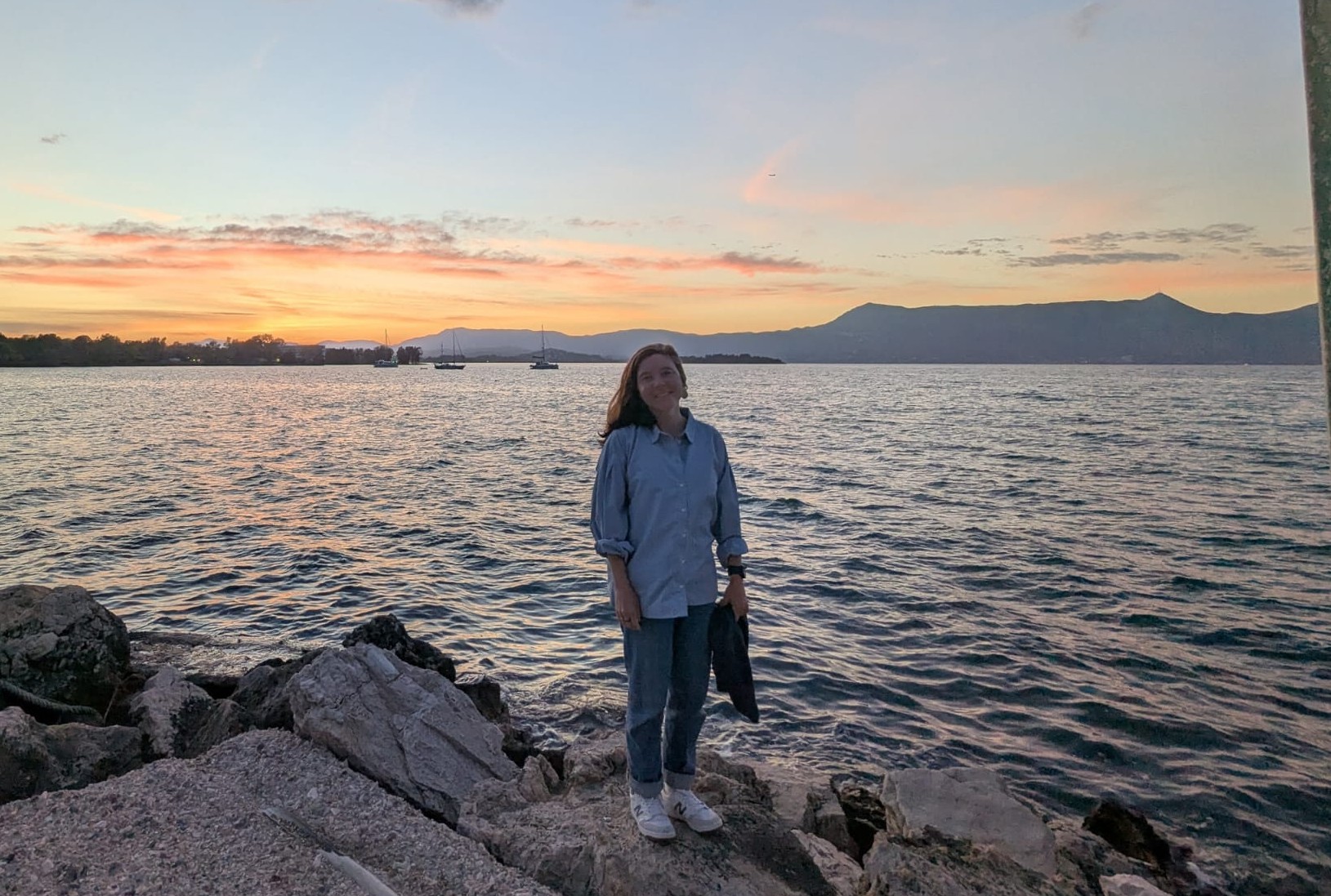
Written by Carys Crow

March 10, 2026

IVF & LGBTQ+ Image

Fertility journeys can be incredibly exhausting and tough on your heart and body. I wasn’t really ready for that. I hadn’t quite prepared myself for just how tough it was going to be, not only to make our little miracle but to then lose our little miracle.

Being in a same sex relationship felt like it added another layer of complexity, misunderstanding and judgement. I’m marrying Tasha this year and we were beyond excited to have our little one at our wedding but that’s not how it has gone. We miscarried in January of last year, at six weeks pregnant. Oh she was a joy to carry even for that short time.

Our IVF journey was a year and a half in the making after the postcode lottery that is.

We should feel lucky that we got one round of IVF on the NHS but it also shouldn’t feel like we only have once chance to make our dreams come true. I have stage 3 endometriosis, we had no sperm and my egg reserves were so low that they even questioned whether IVF would have any success rate for us at all. Our fertility clinic were incredible, they walked us slowly through every step and made space to answer any questions that we had along the way.

They would always shout ‘Carys and Tasha’ from the waiting room rather than just me, that made us feel like we were both a part of this journey and not just me as the carrying mother.

That made Tash feel comfortable and included, these little things make a difference to the journey you take through IVF as a same sex couple.

We were not armed with all the information we needed to be before we began our IVF journey with our fertility clinic, the information wasn’t really out there on sperm donors, same sex TTC mummy’s and we were quite naive in the fact that we hoped so deeply for success that we practically believed it would happen before it even did.

Choosing a sperm donor was exciting but scary too.

If we get our rainbow baby in the future, they will be able to contact the sperm donor when they turn 18. This scared us a little but we understood the benefits to it too. This became a reality for us when we got our two lines on that magic little stick. We have never been so overjoyed, excited, nervous and lucky all at once and it was beautiful for as long as it lasted.

We lost our little one in the hospital and it was so so scary. The worst part was, they didn’t treat me like a mum and they didn’t treat Tash like a mum.

Miscarriages were quite clearly their everyday to which you’d imagine their care would be impeccable but it was far from. It certainly was not our every day and we were so frightened. They were focused on my health care as I lost Poppy but that meant that my fiancé didn’t get the acknowledgement as her mummy the way I so hoped she would.

The first time we attended A&E the doctor asked us how far along we were to which I replied – 6 weeks. She argued with me about how that wasn’t possible because of when I conceived through IVF. Arguing with a doctor about the age of our little one was exhausting and made us question ourselves and should not be where a doctor’s head first goes when I come to them vulnerable and heartbroken.

I felt confused and like we weren’t being listened to when we needed to be listened to the most.

That same doctor walked in confused to see two women, another mistook her for my sister and it was a long while before anyone simply just asked “who are you with today Carys?” That would have been easy for them to do and at that point I’d have been able to acknowledge the wonderful mother that my future wife would have made. I felt lonely in a room full of doctors and nurses because they didn’t make space for her to hold my hand and stand beside me.

We had a truly horrible experience at our local hospital and I don’t know if our care would have been different had I been with a man but I certainly know that I did not know enough about the care that you should receive during and after a miscarriage. But I know now that what they did was not good enough and we deserved better. Our little angel deserved better.

Being in a same sex relationship shouldn’t feel like another boundary to our future in becoming parents, but it does.

I love Tash and I know one day, in whatever way it happens for us, she will make a blooming wonderful mother.

We want better care for anyone going through miscarriage and baby loss. And to our same sex mummies, we know it’s tough but you are not alone.

Real voices,
real impact

Baby loss and infertility can feel isolating, but you’re not alone here. Hear from those who’ve found support, strength, and community with us.

“I’ve gotten more out of these sessions than I have in months of therapy. I am so so grateful for you guys. Truly. xo”

-Sammi, TFMR course attendee 🇺🇸

“This challenge has really helped me to feel like I’ve found my tribe & the people that just get me 🥰. It’s been so much more than just training for a run ❤️.”

-Edwina, Run 10k to Raise 10k participant

‘The chat is a lifeline! Baby loss can make you feel so isolated but, connecting with others who have been there makes it that bit more bearable xx”

Warriorship drop-In support call attendee

“Just a huge thank you from the bottom of my heart. A friend gave me your book a few days after my TFMR and reading it scraped me off the emotional floor. It validated all of the contradictory emotions I was feeling and made me feel so much less alone.”

Harri, Reader of the TWGGE survival guide

“I have never felt more connected on a deeper level emotionally, more understood, validated, and respected than with this amazing group of women who sadly like myself have been through the shittest time with fertility/baby loss. “

Baby loss support course attendee

“It would be no exaggeration to say this podcast has been a lifeline for me over the past couple of months and has seen me through some dark days. I’m so grateful to have found this community of women who are so funny, inspiring and knowledgeable. It makes me feel less alone.”

AshSunny87, Podcast listener

“Almost 4.5 years since I joined this god awful gang… but the worst girl gang ever is the best girl gang for support ❤️ thank you for helping so many lost and helpless women in their dark times! I don’t know how I found you but I’m so grateful for you both 🙌 you may never know how much I need you”

Instagram follower

Together, we lift each other up

Through The Worst Girl Gang Ever Foundation, your donation helps provide support, education, and a safe space for those who need it most.

72.2k

Community Members