Pregnancy After Loss: Coping With PAL Anxiety and Caring for Yourself

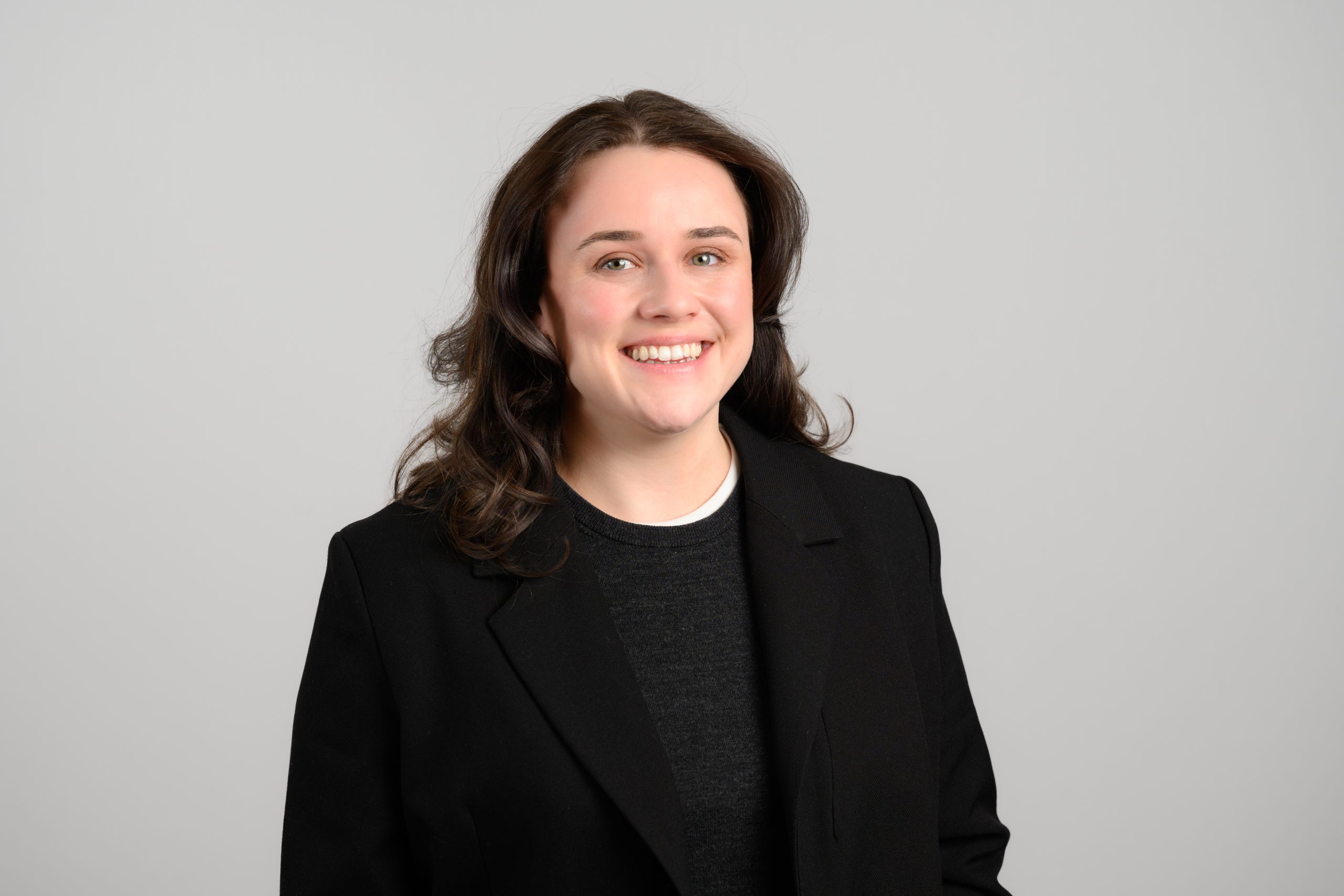
Written by Anastasia Shubareva-Epshtein

September 19, 2025

Pregnancy After Loss: Coping With PAL Anxiety and Caring for Yourself Image

Pregnancy after loss (PAL) can feel like an emotional rollercoaster – a strange, often isolating
blend of hope, fear, guilt, and deep vulnerability. If you’re navigating this fragile chapter, you’re
not alone – and your feelings are completely valid.

In this article, Anastasia shares her story of pregnancy after miscarriage, alongside practical tips for managing anxiety, setting boundaries, and finding support when you’re pregnant and grieving all at once. Whether you’re newly pregnant or considering trying again, we hope this piece offers gentle guidance, solidarity, and real-world advice to help you take things one day (or one hour) at a time

When Seeing Those Two Magic Lines Doesn’t Solve It All

When you’re going through fertility challenges, pregnancy loss, or a long and exhausting journey of trying to conceive, the only thing you can focus on is the end goal: finally being pregnant. After my miscarriage and a difficult IVF process, the thought of seeing those two lines again became my beacon of hope. I believed that reaching that goal would erase all the heartbreak and bring nothing but happiness.

Fast forward to that long-awaited moment: yes, I was pregnant again. But instead of pure joy, I was consumed by fear and anxiety.

Of course, I was thrilled to be expecting. But it was being pregnant again– with the memory of my first pregnancy ending in loss still so fresh – that made every day feel like an eternity. Time dragged as I counted down to the dreaded eight-week mark, the point at which I had previously miscarried. On top of that, IVF meant I still had to give myself daily hormone injections throughout the first trimester. Some days were so overwhelming I couldn’t even get off the sofa to walk my dog.

Gentle Tips if You’re Navigating PAL

If you are currently on this rollercoaster journey, I want you to know one thing first: nothing is wrong with you. Not feeling pure joy 24/7 during pregnancy is absolutely no reflection of whether you will be a good mom.

Here are a few things that helped me get through my own PAL journey:

  • Take it one milestone at a time. Breaking pregnancy into smaller steps – whether that’s making it to the next scan, surpassing the week you previously miscarried, or simply getting through the next day – can make it feel more manageable.
  • Prioritise your feelings. PAL can be hard for your loved ones too – your partner or parents may still be grieving the first loss. But right now, your energy is precious. It’s okay to explain that you don’t have the capacity to carry their feelings in addition to your own.
  • Set boundaries with apps, social media, and conversations. If certain content or questions trigger anxiety, it’s okay to step back or say no.
  • Make space for rest and self-compassion. The combination of exhaustion, treatments, and emotions is heavy. Allowing yourself to slow down is not weakness, it’s survival.
  • Release the guilt. Feeling scared, detached, or less than joyful does not mean you’re ungrateful or unexcited to become a mom. It means you are human, navigating something incredibly hard.

The Weight of Guilt

Out of all of the above, guilt was the hardest for me to carry:

  • Guilt for not feeling unfiltered joy after longing for a pregnancy for SO long.
  • Guilt toward other women still in the thick of TTC.
  • Guilt toward my family and friends.
  • But mostly, guilt toward myself.

In a desperate attempt to cope, I tried every pregnancy app I could find. But instead of comfort, I found content that was painfully triggering. Blueberry size comparisons might be cute for some, but they didn’t help me when all I could think about was the fear of seeing blood again every time I went to the bathroom.

Creating What I Wish I’d Had

That’s when I made a huge decision: I quit my stable corporate job to create Carea – the pregnancy and postpartum app I wish I had during my darkest days.

Carea focuses on you, the mom, no matter your journey. Whether you conceived easily, went through IVF, or experienced loss before, Carea provides tailored, inclusive support that addresses both physical and mental health- and most importantly removes triggers for anyone navigating pregnancy after loss.

Now, as I watch my 1.5-year-old rainbow baby running around, I feel like I’ve come full circle. I get to pour my energy into something I’m deeply passionate about: helping other women feel supported during pregnancy and beyond.

Unfortunately, gaps in care for women during pregnancy and postpartum still exist worldwide. My hope is that Carea can be your in-pocket midwife and therapist – offering tools, resources, and a supportive community to make the journey just a little easier.

With love,
Anastasia xx

P.S. You can find more information about Carea (including app store download links) on our website: www.careaapp.com.


Real voices,
real impact

Baby loss and infertility can feel isolating, but you’re not alone here. Hear from those who’ve found support, strength, and community with us.

“I’ve gotten more out of these sessions than I have in months of therapy. I am so so grateful for you guys. Truly. xo”

-Sammi, TFMR course attendee 🇺🇸

“This challenge has really helped me to feel like I’ve found my tribe & the people that just get me 🥰. It’s been so much more than just training for a run ❤️.”

-Edwina, Run 10k to Raise 10k participant

‘The chat is a lifeline! Baby loss can make you feel so isolated but, connecting with others who have been there makes it that bit more bearable xx”

Warriorship drop-In support call attendee

“Just a huge thank you from the bottom of my heart. A friend gave me your book a few days after my TFMR and reading it scraped me off the emotional floor. It validated all of the contradictory emotions I was feeling and made me feel so much less alone.”

Harri, Reader of the TWGGE survival guide

“I have never felt more connected on a deeper level emotionally, more understood, validated, and respected than with this amazing group of women who sadly like myself have been through the shittest time with fertility/baby loss. “

Baby loss support course attendee

“It would be no exaggeration to say this podcast has been a lifeline for me over the past couple of months and has seen me through some dark days. I’m so grateful to have found this community of women who are so funny, inspiring and knowledgeable. It makes me feel less alone.”

AshSunny87, Podcast listener

“Almost 4.5 years since I joined this god awful gang… but the worst girl gang ever is the best girl gang for support ❤️ thank you for helping so many lost and helpless women in their dark times! I don’t know how I found you but I’m so grateful for you both 🙌 you may never know how much I need you”

Instagram follower

Finding Strength in Community: My Journey Through Loss and IVF

Written by Caroline Tarrant

September 17, 2025

Finding Strength in Community: My Journey Through Loss and IVF Image

Caroline’s path to parenthood has been marked by miscarriage, ectopic pregnancy, and failed IVF, leaving her searching for hope amid heartbreak. Through TWGGEF, she found connection and strength, and joining the Run 10k to Raise 10k fundraiser reminded her of the power of community and speaking openly about loss.

I’d naively assumed that the road to parenthood would be straightforward for us. That’s what society prepares you for, and I’d seen that play out with friends and family. Three years down the line I feel like a different person. I have a lot more knowledge about women’s health, a whole new dictionary’s worth of jargon and acronyms, and a feeling of desperation rather than hope.

Our first pregnancy came quickly – 3 months of trying and we got the positive test. We felt so lucky. A little bit cautious, but nothing gave us a reason to suspect anything would go wrong, so we shared the news at Christmas time. This would be my parents’ first grandchild, a cousin for our little niece on my husband’s side. Everyone was so excited.

I desperately tried to understand what was happening to me as I writhed in pain in my bed

Blood tests came back normal; my first midwife appointment went well. So, when we went for our first scan, I wasn’t really prepared to hear the words ‘it’s bad news’. At that appointment I learned about anembryonic pregnancy – where the foetus doesn’t develop properly but the gestational sac keeps growing. Your body thinks that you are pregnant, but there is no embryo. I had to have vaginal pessaries to remove ‘the remains of the pregnancy’ and was told to go home and rest. I was not told about the debilitating pain, the contractions I would feel and the quantity of blood there would be. I read about those things on online forums as I desperately tried to understand what was happening to me as I writhed in pain in my bed. The lack of knowledge around miscarriage is incredible when you learn how common it is.

After 12 weeks of bleeding, several follow up appointments, a lot of tears and confusion, we got the all clear from the doctor that everything was ‘normal’. They told us it was bad luck, a very common occurrence and that we should just try again. We told ourselves the same thing, just bad luck, and tried to move on.

A few months later we were back at hospital. What I had thought was my period, was actually another miscarriage. It started around the same time as my period, lasted a few days, then the bleeding stopped, only to start again a couple of days later. By then I felt extreme exhaustion, just a tiredness like nothing else, and developed pain when I peed – I thought I had a UTI. At the hospital we found out it was an ectopic pregnancy, not viable, in my left fallopian tube. It seemed like my body was miscarrying itself this time, but there was a risk the tube could rupture. I had to go back to the hospital every 48 hours for 10 days for a blood test to ensure that my HCG level was going down. If it went up, I’d need medical intervention, and potentially surgery. Luckily that didn’t happen for us, but the bleeding again lasted a couple of months, and the feeling of loss hit even harder the second time.

There were posters on the walls about the benefits of breastfeeding and what vaccines to get your baby.

At the hospital where I was treated, there was no specific area for pregnancy loss patients. Every time I had to sit in triage, then go to the maternity ward and sit in a waiting room surrounded by women with big baby bumps. I saw newborn babies in their mothers’ arms getting wheeled down the corridor as I waited. There were posters on the walls about the benefits of breastfeeding and what vaccines to get your baby. Even as the doctors there told me that 1 in 4 pregnancies end in loss, there seemed to be not a thought for the feelings of the mothers who are going through such terrible pain and loss.

A couple of months later, I started to feel really desperate. Before discovering TWGGEF I think I was trying really hard to avoid my feelings. I latched on to the words I’d heard so many times: ‘at least it was early’ … ‘there was no embryo’ … ‘it’s just bad luck. Next time it will happen’. But now, after connecting with so many of the warriors in TWGGEF I can see how damaging those words are. What was meant to serve as a comfort for me, actually just delayed the suffering. By trying to minimize the pain, I felt like I didn’t deserve to be so sad. And with no outlet for my grief, I was really struggling. It’s only when I sought out support that I realised how much suffering I’d been through. Hearing other women’s stories, and connecting with people who’d been through similar heartbreak was so validating. I understood finally that I had to let those feelings in, and grieve what we had lost.

Fast forward a year or so, and the feeling of ‘it will happen’ was really starting to dwindle. I was finding it really tough to live in this constant monthly cycle of hoping, wondering and waiting. I’d tried everything we could think of: a cocktail of supplements, speaking to specialists, changing my diet, doing more sports, doing less sports, acupuncture. I went through a hysterosalpingography and a hysteroscopy, I had so many blood tests and internal scans I’ve lost count and still we had no answers for why we weren’t getting pregnant or staying pregnant.

People seem to think IVF = baby, and give little thought to how gruelling the process can be.

Out of desperation, we turned to IVF. It felt frustrating when we didn’t have a reason why we weren’t conceiving naturally, but our doctor said it was a way of reducing some risk factors and having a bit more control. I was pleased to be doing something different, but dreading the toll it would take on my body and on my mind. Strangely, family and friends seemed to be really pleased for us. There are still a lot of misconceptions around IVF and its success rates, but people seem to think IVF = baby, and give little thought to how gruelling the process can be.

The process for the egg collection went relatively smoothly, though I had 4 different injections to do each day. After all we had been through to this point, it felt like no big deal to be honest. We were lucky in that we got multiple embryos, though I wasn’t able to do a fresh transfer because of a risk of OHSS. We froze what we had and waited to do the transfers. Fast forward another six months, more injections, more medications, more money to the clinic and we’ve sadly used up all our embryos and have no pregnancy to show for it. With every loss, a part of me felt like it was being chipped away. I had to take some time off work as I wasn’t coping. People were loving and supportive and caring and sorry and none of it mattered. None of it took away the sadness. Frustratingly we still are no closer to getting any answers either. It’s hard to think about next steps but I am determined to not stop yet.

The fundraiser gave me an outlet to share my story and I’m so pleased I did

I joined the TWGGEF Run 10k to raise 10k fundraiser in January, mostly because of the mind-blowing fact that in 2025, the topic of baby loss is still a taboo. It breaks my heart that women today feel isolated and ashamed when they experience loss, because they haven’t ever heard anyone openly speak about it. That was my experience for sure. I felt a sense of duty to open up about what I’d been through – if I wasn’t prepared to speak honestly about it, how would anything ever change?

The fundraiser gave me an outlet to share my story and I’m so pleased I did. The conversations that came from it, and the messages of support and the donations I received were incredible. I shared the JustGiving page at work and my company matched a portion of my total. Colleagues and friends joined me to complete the 10k despite the TERRIBLE weather we had that weekend. The WhatsApp community was a beacon of positivity and encouragement. Only good things came from my decision to be honest.

I wish I could finish this post with my happy ending, but I’m not there yet. I’m sure a lot of you reading this can relate. So instead, I’ll leave you with wise TWGGEF words that always make me feel a tiny bit better on the darkest days. You are not alone. Your grief is valid. You can do hard things.

Sending love and strength to you all.

Caroline x

Real voices,
real impact

Baby loss and infertility can feel isolating, but you’re not alone here. Hear from those who’ve found support, strength, and community with us.

“I’ve gotten more out of these sessions than I have in months of therapy. I am so so grateful for you guys. Truly. xo”

-Sammi, TFMR course attendee 🇺🇸

“This challenge has really helped me to feel like I’ve found my tribe & the people that just get me 🥰. It’s been so much more than just training for a run ❤️.”

-Edwina, Run 10k to Raise 10k participant

‘The chat is a lifeline! Baby loss can make you feel so isolated but, connecting with others who have been there makes it that bit more bearable xx”

Warriorship drop-In support call attendee

“Just a huge thank you from the bottom of my heart. A friend gave me your book a few days after my TFMR and reading it scraped me off the emotional floor. It validated all of the contradictory emotions I was feeling and made me feel so much less alone.”

Harri, Reader of the TWGGE survival guide

“I have never felt more connected on a deeper level emotionally, more understood, validated, and respected than with this amazing group of women who sadly like myself have been through the shittest time with fertility/baby loss. “

Baby loss support course attendee

“It would be no exaggeration to say this podcast has been a lifeline for me over the past couple of months and has seen me through some dark days. I’m so grateful to have found this community of women who are so funny, inspiring and knowledgeable. It makes me feel less alone.”

AshSunny87, Podcast listener

“Almost 4.5 years since I joined this god awful gang… but the worst girl gang ever is the best girl gang for support ❤️ thank you for helping so many lost and helpless women in their dark times! I don’t know how I found you but I’m so grateful for you both 🙌 you may never know how much I need you”

Instagram follower

When the System Failed Us: My Son’s Stillbirth at 39 Weeks

Written by Dani Moore

September 10, 2025

When the System Failed Us: My Son’s Stillbirth at 39 Weeks Image

After years of fertility struggles and finally conceiving during the pandemic, she thought her hardest days were behind her. But at 39 weeks, following a fairly straightforward pregnancy, her son Holden was stillborn. This is her story of love, loss, and anger at a system that failed them.

I didn’t think when I first started trying to get pregnant in 2018 that it would take so much effort. I had an understanding from the excruciating awkward occasional sex ed lessons at school that conception was as simple as a male and a female get it on and after some time a baby will pop out, such false advertising!

But when I decided I wanted to start trying for a family months turned into years and there was still no baby. I finally plucked up the courage to ask my GP, knowing that it was probably my Polycystic ovaries hampering our efforts and they quickly had me in for blood tests that started us on the path for fertility support. Thanks to Covid my husband had to hand over his part of the testing to a lab tech in a car park nearly an hour’s drive away. We still laugh about whether that was one of the weirdest things we’ll ever experience, they said to keep the specimen at body temp so he drove along a near empty motorway whilst I smuggled a specimen sample pot in my cleavage. We then handed over the sample to someone so cloaked in PPE in the car park outside we weren’t even sure they were a member of staff. They obviously were though, and we received the results that everything was on track for us to start discussing our options with the fertility team when they got in touch. We joked that there wasn’t much to do during lock down and when Christmas was cancelled for us due to the pandemic, we managed to finally make a baby all on our own.

We had faced our adversity and overcome our issues… we thought.

We tearfully told our families and select friends before even the first scan because we were just so excited it had finally happened to us; we had faced our adversity and overcome our issues… we thought. I could hear the relief in my best friend’s voice who had told me just the week before that she was expecting, getting pregnant as soon as she had looked at her new husband.

Fast forward 9 months and I am sat waiting for an appointment by myself whilst my other half Tom waits outside because…. still Covid… and then we finally get called in. We were there to discuss early induction, because he was measuring big and I was anxious to get him out. I’d been having nightmares, like I knew that it needed to be sooner. I hadn’t had a particularly difficult pregnancy apart from a bleed at 10 weeks that they described as a threatened miscarriage, and after a check over and a scan we were reassured, everything was ok, it was “just one of those things”, but perhaps I shouldn’t do any high impact exercise for the remainder of my pregnancy. Oh, and also being called and given the wrong results after our 12-week scan. We had an increased chance of our baby having trisomy 21 so we technically broke covid rules leaving the city to have an unnecessary NIPT test at the private clinic that could see us soonest. It wasn’t cheap either but I said that’s what my annual bonus bought us, information about our baby. When I called to tell them, we’d had the test the woman on the phone was very confused as to why, checking my details again and then going silent. I asked what my results were and she read off completely different figures than the ones I had received the week before. “So was I given the wrong person’s results” I surmised. She stayed silent, I don’t know if she was scared or loyal, but eventually I made her confirm which results were correct. Our baby didn’t have any additional chance for anything the 12-week scan checks for. A fact that was solidified by the results of the NIPT test a few weeks after and the news he was a he!

My last words to her, after she insisted, I go to 39 weeks were, “is there nothing I can say to make you change your mind”

Nearly 6 months after that, and nearing the last hurdle, I waddled into the windowless room to be confronted by the consultant or registrar. Who explained she was a locum, but made no small talk whilst bad-temperedly clicking through computer screens then left the room then came back complaining about the system… the other staff… the everything! She couldn’t access the right records so she then made decisions about him coming into the world based on limited information, a decision based only on what we could tell her of the growth scan appointment that we remembered, from weeks before, as first-time parents, with no medical backgrounds. My last words to her, after she insisted, I go to 39 weeks were, “is there nothing I can say to make you change your mind”. “No, no” she shook her head gesturing for us to leave the room. I don’t think she ever made eye contact with me, the whole appointment. A few weeks later on the day she scheduled me to be induced Holden Cosmo Moore was pronounced dead. “I’m sorry, there’s no heart beat”.

Her round belly bulging with life whilst my cold swollen stomach had become a tomb for my son.

I called my best friend later that day, in a blur, just wanting to hear her voice saying all the right things to comfort me, we were closer than sisters, but as I told her I could hear the panic and self-conscious tone creep in as she internalised the worry, being pregnant herself, due 2 weeks after me. She was so strong for me, and put all of that fear aside to come to my house the following day, just before I went back to the hospital for him to be born. Her round belly bulging with life whilst my cold swollen stomach had become a tomb for my son. I said goodbye knowing I wouldn’t be able to meet up with her again for some time, maybe ever.

I can talk of hope and the future and all of the things that came after, but even several years on, a part of my soul is trapped in that room with the consultant forever, still screaming and begging the universe to change. We found out at the medical review that he was “genetically, internally and externally perfect.” My son was perfect in every way, and yet he died and I have to live the rest of my life without him, furious at a flawed person and a broken system.

Real voices,
real impact

Baby loss and infertility can feel isolating, but you’re not alone here. Hear from those who’ve found support, strength, and community with us.

“I’ve gotten more out of these sessions than I have in months of therapy. I am so so grateful for you guys. Truly. xo”

-Sammi, TFMR course attendee 🇺🇸

“This challenge has really helped me to feel like I’ve found my tribe & the people that just get me 🥰. It’s been so much more than just training for a run ❤️.”

-Edwina, Run 10k to Raise 10k participant

‘The chat is a lifeline! Baby loss can make you feel so isolated but, connecting with others who have been there makes it that bit more bearable xx”

Warriorship drop-In support call attendee

“Just a huge thank you from the bottom of my heart. A friend gave me your book a few days after my TFMR and reading it scraped me off the emotional floor. It validated all of the contradictory emotions I was feeling and made me feel so much less alone.”

Harri, Reader of the TWGGE survival guide

“I have never felt more connected on a deeper level emotionally, more understood, validated, and respected than with this amazing group of women who sadly like myself have been through the shittest time with fertility/baby loss. “

Baby loss support course attendee

“It would be no exaggeration to say this podcast has been a lifeline for me over the past couple of months and has seen me through some dark days. I’m so grateful to have found this community of women who are so funny, inspiring and knowledgeable. It makes me feel less alone.”

AshSunny87, Podcast listener

“Almost 4.5 years since I joined this god awful gang… but the worst girl gang ever is the best girl gang for support ❤️ thank you for helping so many lost and helpless women in their dark times! I don’t know how I found you but I’m so grateful for you both 🙌 you may never know how much I need you”

Instagram follower

The Unspoken Truth of Postnatal Depression After Miscarriage

Written by Emma Tattum

September 3, 2025

The Unspoken Truth of Postnatal Depression After Miscarriage Image

In this blog, Emma shares her experience of postnatal depression after loss. This blog shares her experience of guilt, isolation, and healing, and the importance of breaking the silence around depression following miscarriage.

When I went through my second miscarriage, I thought I knew what to expect. I’d been here before , the heartbreak, the grief, the crushing sadness. But what followed this time was something different. Heavier. Quieter.

Maybe it sounds naive, but I always thought postnatal depression was something that could happen after a baby arrived, not after loss.

It wasn’t just the loss of a pregnancy; it was the loss of a part of myself.

I didn’t realise then that what I was experiencing was postnatal depression. I didn’t even know that could happen after miscarriage. At first, I was defensive when the Doctor mentioned it, how could it be that? I didn’t carry to full term. I didn’t bring a baby home. Maybe it sounds naive, but I always thought postnatal depression was something that could happen after a baby arrived, not after loss.

Even now, I still feel guilty talking about it and I think that guilt applies to miscarriage in general. I know other people have been through worse. I know some have had more losses, or different ones. And yet I struggled so much, still am, really and I keep asking myself, why?

There was a time I didn’t leave the house for two weeks. Not because I was physically unwell, but because I was terrified. Terrified I’d bump into someone pregnant. Or hear a baby crying. Or see something that would completely break me.

At home, I could control everything: what I saw, what I avoided, who I spoke to. But the outside? It was full of landmines. Prams. Babies. And then there were the casual comments, like “when are you having kids?” (especially after turning 30 a few months ago). People mean well, but they don’t realise what those words can do.

Your mind still holds the trauma.

We don’t talk about depression after pregnancy loss, but we should. Because your hormones don’t just stop because the baby isn’t there. Your body still thinks you’ve had a baby. Your mind still holds the trauma.

You’re grieving, not just the baby, but the future you imagined. The version of you who was once excited, hopeful, maybe even planning names.

For me, it felt like losing myself. The old me felt so far away. I missed the person who used to daydream about baby clothes and imagine what Christmas might look like with a little one. I couldn’t relate to her anymore. I didn’t know how to be around people who hadn’t been through it. I didn’t even know how to answer “How are you?” without bursting into tears.

And the triggers… they were everywhere. Tiny things no one else would notice. A baby crying in a café. An ad on TV. Socials posts. They’d come out of nowhere and knock me sideways.

That’s the thing about grief and depression; it doesn’t always look how you expect. Sometimes it’s crying all the time. Other times it’s feeling absolutely nothing. Sometimes it’s being on holiday, finally laughing again and then being hit with overwhelming guilt for feeling happy. It’s snapping at people, withdrawing, feeling exhausted, being constantly on edge.

One of the hardest parts was trying to explain any of this. I couldn’t even make sense of my own feelings, so how was I meant to explain them to anyone else? Half the time, I didn’t have the words. The other half, I was scared to say them out loud.

It meant I wasn’t just “not coping”; or being dramatic. I wasn’t weak.

Getting diagnosed with postnatal depression felt like a strange sort of relief. It gave what I was feeling a name. It meant I wasn’t just “not coping”; or being dramatic. I wasn’t weak. I wasn’t broken beyond repair. I was going through something real, painful, yes, but real.

Counselling helped. So did the support groups: a huge thank you to The Worst Girl Gang Ever Foundation, for being exactly what I didn’t know I needed. But the thing that helped most? Hearing someone else say: “I went through that too”.

I’m still very much in it, still figuring it all out, still having hard days. But there are little glimmers now. Little flickers of hope.

It’s a journey (I hate that word, but it’s the only one that fits!). And I’m learning to take it one day at a time.

If you’re in the thick of it too — if any of this feels even a little bit familiar — please know this: You’re not alone and you don’t have to keep it all in.

You deserve support and you don’t have to do it alone.

Real voices,
real impact

Baby loss and infertility can feel isolating, but you’re not alone here. Hear from those who’ve found support, strength, and community with us.

“I’ve gotten more out of these sessions than I have in months of therapy. I am so so grateful for you guys. Truly. xo”

-Sammi, TFMR course attendee 🇺🇸

“This challenge has really helped me to feel like I’ve found my tribe & the people that just get me 🥰. It’s been so much more than just training for a run ❤️.”

-Edwina, Run 10k to Raise 10k participant

‘The chat is a lifeline! Baby loss can make you feel so isolated but, connecting with others who have been there makes it that bit more bearable xx”

Warriorship drop-In support call attendee

“Just a huge thank you from the bottom of my heart. A friend gave me your book a few days after my TFMR and reading it scraped me off the emotional floor. It validated all of the contradictory emotions I was feeling and made me feel so much less alone.”

Harri, Reader of the TWGGE survival guide

“I have never felt more connected on a deeper level emotionally, more understood, validated, and respected than with this amazing group of women who sadly like myself have been through the shittest time with fertility/baby loss. “

Baby loss support course attendee

“It would be no exaggeration to say this podcast has been a lifeline for me over the past couple of months and has seen me through some dark days. I’m so grateful to have found this community of women who are so funny, inspiring and knowledgeable. It makes me feel less alone.”

AshSunny87, Podcast listener

“Almost 4.5 years since I joined this god awful gang… but the worst girl gang ever is the best girl gang for support ❤️ thank you for helping so many lost and helpless women in their dark times! I don’t know how I found you but I’m so grateful for you both 🙌 you may never know how much I need you”

Instagram follower

10 Questions to Take to Your First Recurrent Loss Appointment

Written by Kerry Etheridge

August 29, 2025

10 Questions to Take to Your First Recurrent Loss Appointment Image

Kerry is a women’s nutrition practitioner and nervous system coach, dedicated to supporting women through the emotional and physical challenges of fertility struggles, recurrent miscarriage, and the lasting impact these experiences can have on both body and mind. Below Kerry shares a little about her own experience and some helpful questions she wishes she’d known to ask during her consultant appointments.

Through gentle nervous system regulation, functional medicine and integrative approaches, Kerry creates a safe, supportive space where women can feel seen, heard and cared for as they navigate their journey to conception.

Having experienced recurrent miscarriage herself, she really understands the fear, grief and uncertainty that can come with trying to conceive. Her personal journey inspired her to help others- transforming her own challenges into compassionate guidance, practical support and nurturing care for every woman walking this path. She  felt so lost on her journey with loss and had no idea what to ask at each appointment or how to take steps to help her situation.

Experiencing recurrent miscarriage can be overwhelming and it’s common to feel unsure where to start, what information is important, or how to make sense of medical advice. Having a list of thoughtful questions can be empowering, it gives you a sense of control, helps you understand your options and ensures that you leave each appointment feeling informed and supported.

These 10 questions are designed to give you a starting point for conversations with your consultant. They can help you feel more confident, ensure you leave appointments with greater clarity, and most importantly, remind you that your voice and your choices matter in this journey.

Questions:

1) Should we explore autoimmune or immune factors that could be contributing to my losses (e.g. Natural killer cells, antiphospholipid syndrome, ANA antibodies)

2) Have you reviewed my thyroid function in full — including antibodies and not just TSH?

3) Can we assess for clotting disorders or inflammation markers beyond standard bloods? (Ask about thrombophilia screening, homocysteine, etc.)

4) Is there any testing available for genetic or chromosomal issues in either parent?

5) Can we run a full vaginal and seminal microbiome screening? (Imbalances or infections here can silently impact conception + early pregnancy losses)

6) Have I been assessed for progesterone support at the right time in my cycle — and do we need to address the dosing?

7) Could lifestyle factors like sleep, stress, or environmental toxins (e.g. Mould, endocrine disruptors) be relevant in my case?

8) Is sperm DNA fragmentation testing something we should consider? (Even if semen analysis looks “normal” — I am aware this can have an affect on recurrent loss)

9) Are there any additional tests that could help us rule out less obvious causes, like chronic low-grade infections or nutrient depletion?

10) Can we discuss combining functional or nutritional support alongside medical care — and what you’d recommend?

To find out more about Kerry or to get in touch you can follow her on her instagram account  – @kerryetheridgewellness 

Real voices,
real impact

Baby loss and infertility can feel isolating, but you’re not alone here. Hear from those who’ve found support, strength, and community with us.

“I’ve gotten more out of these sessions than I have in months of therapy. I am so so grateful for you guys. Truly. xo”

-Sammi, TFMR course attendee 🇺🇸

“This challenge has really helped me to feel like I’ve found my tribe & the people that just get me 🥰. It’s been so much more than just training for a run ❤️.”

-Edwina, Run 10k to Raise 10k participant

‘The chat is a lifeline! Baby loss can make you feel so isolated but, connecting with others who have been there makes it that bit more bearable xx”

Warriorship drop-In support call attendee

“Just a huge thank you from the bottom of my heart. A friend gave me your book a few days after my TFMR and reading it scraped me off the emotional floor. It validated all of the contradictory emotions I was feeling and made me feel so much less alone.”

Harri, Reader of the TWGGE survival guide

“I have never felt more connected on a deeper level emotionally, more understood, validated, and respected than with this amazing group of women who sadly like myself have been through the shittest time with fertility/baby loss. “

Baby loss support course attendee

“It would be no exaggeration to say this podcast has been a lifeline for me over the past couple of months and has seen me through some dark days. I’m so grateful to have found this community of women who are so funny, inspiring and knowledgeable. It makes me feel less alone.”

AshSunny87, Podcast listener

“Almost 4.5 years since I joined this god awful gang… but the worst girl gang ever is the best girl gang for support ❤️ thank you for helping so many lost and helpless women in their dark times! I don’t know how I found you but I’m so grateful for you both 🙌 you may never know how much I need you”

Instagram follower

Clinical Negligence Claims – Seeking Answers After a Loss

Written by Grace Norris

August 28, 2025

Clinical Negligence Claims – Seeking Answers After a Loss Image

The announcement of a national Maternity Review in June 2025 by the Secretary of State has sparked many discussions around the standard of maternity and neonatal care within the NHS. However, for some families who have suffered the tragic loss of a baby before or shortly after birth, it can be difficult to know where to find answers, particularly if there are concerns around the treatment received.

While a clinical negligence claim can in some circumstances assist families who have suffered the consequences of substandard care, the process can also be about understanding how and why a tragedy such as a stillbirth or neonatal death unfolded. The investigations around a clinical negligence claim can, at times, offer an insight into a loss or death, which parents may need to find a sense of closure. Compensation also can assist with the process of grieving a loss, alongside having the support of an independent advocate along the way.

Miscarriage, stillbirth and neonatal death

All are heartbreaking to experience but there is an important legal difference between a miscarriage, stillbirth and a neonatal death:

Miscarriage: The loss of a baby before 24 weeks of pregnancy is classed as a miscarriage.

Stillbirth: This is when a baby is born at or after 24 weeks of pregnancy with no signs of life at delivery.

Neonatal death: This is where the death of a baby occurs after birth and within the first 28 days of life, regardless of gestational age.

Thinking about a clinical negligence claim?

If you have concerns about the treatment you or a loved one has received, particularly in the context of a stillbirth or neonatal death, there are several avenues you can explore before deciding to bring a clinical negligence claim.

  • If your treatment was provided by the NHS, you can make a formal complaint following the NHS complaints procedure, subject to certain time limits. A complaint should generally be made within 12 months.
  • Complaints about treatment in the private sector must be dealt with under the treating doctor’s or hospital’s own complaints arrangements unless the treatment was originally commissioned by an NHS body, for instance, under a waiting list scheme and there is no fixed complaints procedure.
  • If the stillbirth or neonatal death happened at an NHS trust, the trust itself may initiate an internal review. This could include:
    • Use of the Perinatal Mortality Review Tool (PMRT). All stillbirths and neonatal deaths from 22 weeks gestation are reviewed using PMRT. This tool helps standardise investigations and identify avoidable factors.
    • Review of medical records: including maternal history, test results, and any post-mortem findings.
    • Staff interviews: healthcare professionals involved in the care are interviewed.
    • Parental input: parents are invited to share concerns and questions.
    • Bereavement care assessment: the quality of support provided to the family is reviewed.
    • Hospital review meeting: findings are discussed internally; parents may receive a summary and have a follow-up meeting with a senior clinician.
  • You may be asked to agree to a post mortem of your baby. This may include an external and internal examination, histopathology, genetic and infection testing alongside photography and radiology imaging. It is your choice whether you agree to this or not. In some cases, a baby’s cause of death may be reasonably clear, however, in others a post mortem can help with establishing this.
  • The Maternity and Newborn Safety Investigations (MNSI) programme, formerly HSIB, may also conduct independent investigations into:
  • Intrapartum stillbirths
  • Early neonatal deaths (within seven days)
  • Severe brain injuries in term babies
  • Maternal deaths

The MNSI investigation aims to improve safety and learning. Some of its investigations may include interviews with staff and family members, a review of the medical records and the identification of points of learning.

  • Where there is uncertainty about a baby’s death, in some circumstances it is also possible that this may be referred to the coroner to investigate. The coroner’s court is principally a fact-finding inquiry which could lead to a possible inquest in some cases where the legal cause of death requires additional examination. If an inquest is being considered in a potential clinical negligence claim, it may be helpful for a clinical negligence solicitor to assist you with this more formal process.

Each of these avenues can be helpful in their own way, giving parents a voice in difficult circumstances and encouraging transparency from the NHS trust in some cases.

Bringing a clinical negligence claim: how it works

A clinical negligence claim is chiefly a civil claim for damages (also known as compensation) under the law of tort. However, as mentioned above, this process can also help parents with outstanding concerns and questions to obtain answers. A clinical negligence claim will usually begin with investigations into the events that took place, in order to understand whether these meet the high legal bar for a case to be successful.

For your clinical negligence claim to succeed, the following legal tests must be satisfied and it is necessary to establish that:

▪ One or more of the medical practitioners involved in your care was negligent and

▪ The negligent treatment has caused damage.

The test for assessing if there has been negligence is whether or not the standard of care received fell below the standard of a responsible body of medical opinion in the relevant field ie whether no responsible body of practitioners would have acted in the same way in the

same circumstances.

In terms of assessing the damage caused and to be compensated, you cannot claim for problems due to any pre-existing condition or something that would have occurred even if the treatment had not been negligent – such as a recognised complication from treatment that can occur without any errors.

You have to establish that the negligent treatment made your condition and/or outcome materially worse. In cases of stillbirth or neonatal death, it has to be shown that your baby’s death would have been avoided.

Medical evidence

In exploring whether there has been a breach of duty and causation in a potential claim, an independent medical expert will usually be instructed to prepare a report. This often examines the treatment received during pregnancy, birth and following birth in detail, giving an impartial and objective opinion on these events which can be extremely valuable to parents.

If any elements of this evidence are unclear, you should be able to ask questions of the experts instructed in your claim. It is important, particularly where the medical records are not entirely complete, that your experiences and recollections are fully taken into account. Your solicitor should advocate to ensure that any evidence obtained has carefully considered the circumstances of the events leading to the negligence.

Supportive expert evidence is fundamental to the basis of a clinical negligence claim.

Negligence has been established: what now?

As discussed above, the aim of a clinical negligence claim is to provide compensation to the person who has suffered a worse outcome as a result of the breach of duty in their care. In stillbirth and neonatal death cases, the main parties to a claim will be the bereaved parents. In some cases, it may be possible to claim for a psychiatric injury to the parent who gave birth to the child but there are many factors that go into the assessment of this.

Understandably, money is never going to be able to compensate you for the loss of a loved one. This is often the last thing on a parent’s mind when they have concerns about the medical treatment they or their child received.

Primarily, the driving force behind negligence claims following a stillbirth or neonatal death is to understand what went wrong and to try to prevent this from happening to other families. However, sometimes compensation in these claims can be helpful in supporting parents not only in the context of obtaining answers but also financially.

As part of a clinical negligence case, the following losses may be claimed in some circumstances:

  • Bereavement award: This is a fixed statutory amount payable of £15,120. Usually, this can only be claimed in cases involving neonatal death.
  • An award for pain, suffering and loss of amenity, including both the baby’s suffering before death and a psychiatric injury to the birthing parent if relevant. This is an award that relates directly to the level of pain, suffering and loss of amenity experienced by baby and/or the birthing parent.
  • Funeral and memorial expenses for baby.
  • The costs of purchasing items in preparation for baby that have not been used.

In particular, if a psychiatric injury has been sustained by a birthing parent following negligence in their care, some additional losses to be considered are:

  • A loss of earnings if your employment has been affected.
  • Care and assistance provided by family members in supporting living children or the birthing parent during periods of grief.
  • Travel and costs of attending appointments specifically related to the injury caused by the negligence.
  • The future costs of any treatment or psychiatric support required, including counselling and trauma therapy if needed.
  • Future fertility costs such as IVF in certain circumstances.

Thoughts to take away

While you may have many reasons for wanting to investigate whether there has been clinical negligence in your care, this is a significant undertaking and can take time. It can also be worth considering what you are hoping to achieve from this process.

There are routes to take through NHS trusts in terms of the formal complaint process, internal investigation process and PMRT reviews that can help to provide answers during times of tragedy for parents. External bodies such as the MNSI programme can also assist with allowing an impartial review of treatment if you have concerns regarding this.

Generally, court proceedings for clinical negligence claims following a stillbirth or neonatal death should be issued within three years of the baby’s stillbirth or death.

If you are still unhappy with the treatment you or your baby received or if the investigations you have undertaken have raised more questions or concerns, it may be that you feel exploring a clinical negligence claim is the next step.

It is important that you instruct a solicitor with whom you are comfortable and who has the relevant experience of stillbirth and neonatal death claims given the sensitivity of these claims and to ensure your family are appropriately advised and supported during an extremely difficult time.

Charities such as Action Against Medical Accidents (AvMA) can assist with signposting you to clinical negligence solicitors with the specialism to advise on many claims, including stillbirth and neonatal death cases. They can also provide advice through their helpline, as well as having many useful resources online.

At Penningtons Manches Cooper, we are always happy to discuss potential claims with parents and provide initial advice free of charge. We are experienced in selecting the best experts to thoroughly investigate the care received  we know who to ask which questions and can translate the answers to parents to give a greater understanding of what caused their loss and to secure financial compensation, where appropriate.

For any queries or questions, please contact the author of this article, Grace Norris, who works as part of this team, on 01483 411450 or by emailing grace.norris@penningtonslaw.com.

Real voices,
real impact

Baby loss and infertility can feel isolating, but you’re not alone here. Hear from those who’ve found support, strength, and community with us.

“I’ve gotten more out of these sessions than I have in months of therapy. I am so so grateful for you guys. Truly. xo”

-Sammi, TFMR course attendee 🇺🇸

“This challenge has really helped me to feel like I’ve found my tribe & the people that just get me 🥰. It’s been so much more than just training for a run ❤️.”

-Edwina, Run 10k to Raise 10k participant

‘The chat is a lifeline! Baby loss can make you feel so isolated but, connecting with others who have been there makes it that bit more bearable xx”

Warriorship drop-In support call attendee

“Just a huge thank you from the bottom of my heart. A friend gave me your book a few days after my TFMR and reading it scraped me off the emotional floor. It validated all of the contradictory emotions I was feeling and made me feel so much less alone.”

Harri, Reader of the TWGGE survival guide

“I have never felt more connected on a deeper level emotionally, more understood, validated, and respected than with this amazing group of women who sadly like myself have been through the shittest time with fertility/baby loss. “

Baby loss support course attendee

“It would be no exaggeration to say this podcast has been a lifeline for me over the past couple of months and has seen me through some dark days. I’m so grateful to have found this community of women who are so funny, inspiring and knowledgeable. It makes me feel less alone.”

AshSunny87, Podcast listener

“Almost 4.5 years since I joined this god awful gang… but the worst girl gang ever is the best girl gang for support ❤️ thank you for helping so many lost and helpless women in their dark times! I don’t know how I found you but I’m so grateful for you both 🙌 you may never know how much I need you”

Instagram follower

Losing a Twin at 36 Weeks: My Journey as a Twinless Twin Mum

Written by Hannah Dodds

August 27, 2025

Losing a Twin at 36 Weeks: My Journey as a Twinless Twin Mum Image

In this heartfelt account, Hannah shares her story of discovering the loss of one twin at 36 weeks. This is a raw, personal account of the shock of that loss, gratitude for the care received, and the ongoing struggle of grieving while caring for a newborn and a toddler.

On the 31st January 2024, exactly 2 weeks after my mum’s funeral who passed suddenly, my husband and I found out we were expecting. We were beyond excited.

We were blessed with two heartbeats. DCDA twins, meaning they have their own sacs and placentas.

Quite quickly, I kept saying to my husband ‘I think it could be twins’. On our way to our 12-week scan, I said to my husband once more ‘if it’s twins, we’ve totally got this’. Sure enough, mother’s instinct was right. We were blessed with two heartbeats. DCDA twins, meaning they have their own sacs and placentas.

At our 20-week scan everything was still moving forward nicely.  We never found out the genders, they were just known as Twin 1 (who I had a sneaky suspicion was a girl) and Twin 2 (who I thought was a boy).

After 20 weeks, I had scan weekly, there was some concern around Twin 1’s growth, so each fortnight we had growth scans, and in between those they check the flow from placenta to babies.

I also had Intrahepatic cholestasis of pregnancy, which I had with my first born also. My bloods were regularly monitored.

On the 10th September 2024, I’d had a growth scan and due to Twin 1s growth, they were going to induce me later that week. This would mean the babies would be born at 36weeks and it was recommended to have steroid inject to help the babies’ lungs. I had my first injection that day.

The next morning, I woke up and hadn’t felt the babies move very much. I had thought to much of it, but always been an advocate for babies’ movements and using kicks count bracelet, I got childcare for my toddler and took myself to triage. I was also due to have my 2nd steroid injection that afternoon, so had a a good few hours to myself and was busy planning where to go treat myself for dinner after a quick check on the babies before the next appointment.

I was so sure as soon as the monitors were on, all would be fine.

On my way there, my consultant actually called to say they would be inducing me the following day. I never mentioned I was on my way for reduced movements; I was so sure as soon as the monitors were on, all would be fine.

The popped the monitors on, and although the midwife thought she had two heart beats, the monitor wasn’t happy. After a couple more reshuffles, she eventually went to get a scanning machine. She scanned my tummy, and then said, we’d move to another room. My heart sank. I knew.

I never thought I wouldn’t be bringing them both home.

We went to a room and she called for a doctor. The doctor before she scanned, asked me if I was alone, I was. She scanned and informed me there was no heartbeat on twin 2, but twin 1 was still going strong. Complete shock, shock that we’d lost twin 2, when all concern had only been for twin 1. Heartbroken we’d lost a baby, that I had to phone my husband to come to the hospital while I figure out how to tell him when he arrives, we’ve lost a baby. Thankful that twin 1 was still alive. It was quickly decided the babies would be born via c section that day. We don’t know why we lost twin 2. At exactly 36weeks they were born.

Twin 1 – Lucinda 5lb

Twin 2 – Walter 5lb 13oz

Mothers’ instinct was right, I knew it was twins, I knew it was a boy and a girl, I never thought I wouldn’t be bringing them both home.

We were so well cared for throughout our pregnancy, I don’t think any more could have been done. DCDA twins, the safest twins to have. Overall, a healthy pregnancy, until it wasn’t.

Navigating baby loss while caring for a toddler and a newborn is the hardest thing I’ve ever had to do.

Real voices,
real impact

Baby loss and infertility can feel isolating, but you’re not alone here. Hear from those who’ve found support, strength, and community with us.

“I’ve gotten more out of these sessions than I have in months of therapy. I am so so grateful for you guys. Truly. xo”

-Sammi, TFMR course attendee 🇺🇸

“This challenge has really helped me to feel like I’ve found my tribe & the people that just get me 🥰. It’s been so much more than just training for a run ❤️.”

-Edwina, Run 10k to Raise 10k participant

‘The chat is a lifeline! Baby loss can make you feel so isolated but, connecting with others who have been there makes it that bit more bearable xx”

Warriorship drop-In support call attendee

“Just a huge thank you from the bottom of my heart. A friend gave me your book a few days after my TFMR and reading it scraped me off the emotional floor. It validated all of the contradictory emotions I was feeling and made me feel so much less alone.”

Harri, Reader of the TWGGE survival guide

“I have never felt more connected on a deeper level emotionally, more understood, validated, and respected than with this amazing group of women who sadly like myself have been through the shittest time with fertility/baby loss. “

Baby loss support course attendee

“It would be no exaggeration to say this podcast has been a lifeline for me over the past couple of months and has seen me through some dark days. I’m so grateful to have found this community of women who are so funny, inspiring and knowledgeable. It makes me feel less alone.”

AshSunny87, Podcast listener

“Almost 4.5 years since I joined this god awful gang… but the worst girl gang ever is the best girl gang for support ❤️ thank you for helping so many lost and helpless women in their dark times! I don’t know how I found you but I’m so grateful for you both 🙌 you may never know how much I need you”

Instagram follower

Rainbows: A Story of Secondary Infertility

Written by Marj Sanchez

August 20, 2025

Rainbows: A Story of Secondary Infertility Image

This is Marj’s story of secondary infertility—eleven pregnancies, one living child, and years of loss, grief, and gradual rebuilding. While the rainbow I once longed for hasn’t come, I’ve found light, connection, and a new way to live alongside hope.

For the last few years, I have thought about writing my secondary infertility story for Baby Loss Awareness week. I never got round to it, and in truth what’s stopped me is that I always hoped I would be writing it following our happy ending, a rainbow baby to make the losses worthwhile. Sadly, 5 years have passed now and here I am, finally putting the words down because it feels right, but for a different reason.

Does that mean the storm never ends? Does that mean we never get our rainbow?

I’ve always struggled with the term “rainbow baby”—this idea that the child who comes after loss is the calm after the storm. Because what if no baby comes? Does that mean the storm never ends? Does that mean we never get our rainbow? Is success only defined as the arrival of the much-wanted baby? How about the success that comes with a couple still standing, still trying, still choosing to live a joyful life anyway… is that not worth a rainbow?

I have been pregnant 11 times. The first time resulted in my beautiful daughter, now 8, conceived on the first try. I miss the person I was during that first pregnancy. So carefree, so naïve. I bought most of our baby items at a second-hand sale when I was 14 weeks pregnant with not a care in the world. I had a beautiful pregnancy and loved every minute. Motherhood hit hard, in the best way. I loved (almost) every moment, but I was tired and anxious, possibly due to a thyroid issue at least in part. We didn’t think about trying for our second child until my daughter was 3.

I suffered 2 chemical pregnancies back-to-back which were devastating, completely unexpected. My 3rd was a first trimester loss, painful in a different way because I had begun to hope. Having had 3 losses, I then qualified for NHS investigations, but we were in the middle of the covid pandemic, the country was in lockdown and waiting lists were growing.

All this time we were in our bubble (literally) of three. As I explored the online fertility space, I found support groups which became a lifeline at times. But having my daughter, particularly when I was sharing space with women who did not have any children, made me feel that I didn’t deserve to grieve our losses. That I should be grateful (I am!), keep it to myself, not feel any pain. How could I be sad when I could kiss my daughter goodnight, or skip with her in the garden, when these other women were so desperate to have even one child. Also, my losses had been early. At least. So, we battled on. 3 more losses within the space of another year and no answers from the recurrent miscarriage clinic when the appointment finally came.

For the first time, I gave myself permission to feel it all, the heartbreak, the anger (oh the anger!), the confusion, the unfairness.

My 7th loss was different. It was an ectopic pregnancy that ended in emergency surgery to remove both the pregnancy and my right fallopian tube. For the first time, I couldn’t hide what was happening. I needed two weeks off work, help with childcare, to tell people. And when it all finally came tumbling out it was like a weight had been lifted. That experience forced a mental shift. I stopped pretending we could just power through. I accepted I might need some kind of therapy to deal with the trauma of losses we had suffered. I stopped forcing the gratitude and began to realise that I needed to look my grief directly in the face. For the first time, I gave myself permission to feel it all, the heartbreak, the anger (oh the anger!), the confusion, the unfairness.

I thought that telling people would bring pity (gads!) or judgement, but it mostly brought connection and compassion. Of course, some people didn’t get it, and I’ve lost a few friends along the way. I couldn’t be there for them, and they couldn’t be there for me, no one’s fault. But generally, when I shared our story with a friend, colleague, family member, the grief lifted a little.

For me, that loss marked the beginning of something. We couldn’t keep going the way we had been. We stopped trying to force our way through the pain or frantically push for answers that would never come. I let go of my obsession with timelines and the ticking of the clock, mostly. I started advocating for myself with doctors (I was an expert by then anyway) and listening to what my body needed, was trying to tell me.

I write this as if it all changed at that point, it didn’t. Rebuilding myself has been a gradual, continual process. My ectopic pregnancy was two and a half years ago now and we are still working on things, ourselves, still trying. But I feel lighter now than I have in years. We’re trying to live alongside hope instead of being consumed by it, while seeking out joy in the small things.

If there was one thing that helped it was building connections, both inside the fertility space and beyond it. While I struggled with sharing our story in person – during lockdown we moved outside of the city to a small town where everyone seemed to have at least 3 kids! – I started studying nutrition in 2022 and my classmates were brilliant and hilarious, a perfect distraction. I started the course to gain some control, find some answers, but mostly distract my brain from the sadness. I’ve always been a geek, I love to study, and it was escapism. My classmates helped me more than they will ever know. I’ve only recently shared my losses with the group and again have been met with nothing but compassion.

In terms of the fertility world, The Worst Girl Gang Ever was formed nearly 5 years ago (at the time of writing this) when this journey was just starting for me. Those two incredible women pulled me out of the depths when I didn’t know what I needed was to laugh, to rant, to swear. Up to that point baby loss had been filled with hushed voices, pale pinks and blues, angel wings. You do need that sometimes, but other times you need to be angry. TWGGE gave me permission to let that anger out, and once it was out, its hold was gone.

More recently I have been part of Alice Rose’s “Happen” group. Alice is a Transformational Mindset Coach and to say that my mindset has been transformed by Alice and the amazing women in the Happen group would be putting it mildly. I would never have written this if it wasn’t for their gentle, yet brutal, shove in the right direction!

Our losses didn’t make me a better person in some neat, redemptive way, but they did make me live more.

I can’t ever say that my losses have a silver lining, to think of them as some kind of gift feels like minimising something that broke my soul completely. They weren’t blessings in disguise. They were devastating. They were real. But I also can’t deny the way they’ve shaped in me. I am more compassionate. I love more fiercely. I notice joy where I used to rush past it. I speak with more honesty. I’m more confident. I have found my voice. I am grateful, not because of what I’ve lost, but because of how deeply I’ve learned to hold what I have. Our losses didn’t make me a better person in some neat, redemptive way, but they did make me live more. And I’ll carry that with me every day.

The sadness doesn’t leave, but it hasn’t all been for nothing. There are rainbows.

Real voices,
real impact

Baby loss and infertility can feel isolating, but you’re not alone here. Hear from those who’ve found support, strength, and community with us.

“I’ve gotten more out of these sessions than I have in months of therapy. I am so so grateful for you guys. Truly. xo”

-Sammi, TFMR course attendee 🇺🇸

“This challenge has really helped me to feel like I’ve found my tribe & the people that just get me 🥰. It’s been so much more than just training for a run ❤️.”

-Edwina, Run 10k to Raise 10k participant

‘The chat is a lifeline! Baby loss can make you feel so isolated but, connecting with others who have been there makes it that bit more bearable xx”

Warriorship drop-In support call attendee

“Just a huge thank you from the bottom of my heart. A friend gave me your book a few days after my TFMR and reading it scraped me off the emotional floor. It validated all of the contradictory emotions I was feeling and made me feel so much less alone.”

Harri, Reader of the TWGGE survival guide

“I have never felt more connected on a deeper level emotionally, more understood, validated, and respected than with this amazing group of women who sadly like myself have been through the shittest time with fertility/baby loss. “

Baby loss support course attendee

“It would be no exaggeration to say this podcast has been a lifeline for me over the past couple of months and has seen me through some dark days. I’m so grateful to have found this community of women who are so funny, inspiring and knowledgeable. It makes me feel less alone.”

AshSunny87, Podcast listener

“Almost 4.5 years since I joined this god awful gang… but the worst girl gang ever is the best girl gang for support ❤️ thank you for helping so many lost and helpless women in their dark times! I don’t know how I found you but I’m so grateful for you both 🙌 you may never know how much I need you”

Instagram follower

Scanxiety in Pregnancy After Loss

Written by Bex & Laura - with meditation from Tahnee Knowles

August 19, 2025

Scanxiety in Pregnancy After Loss Image

Scanxiety: Finding Calm Before Your Next Scan

If you’ve experienced pregnancy loss, the lead-up to a scan can feel overwhelming. The waiting room, the sound of the machine, the memory of a moment everything changed – it can all come rushing back. This is what many call scanxiety, a unique form of anxiety triggered by prenatal scans after a previous loss.

You are not alone in feeling this way. The fear, uncertainty, and anticipation are real and completely valid. It’s okay to approach each scan with mixed emotions. But it’s also okay to seek a little peace along the way.

Things That Can Help with Scanxiety During Pregnancy After Loss

Talk About It…  with the Right People

  • Validation is powerful. Share your fears with someone who gets it – a partner, friend, therapist, midwife, or a loss community (like TWGGE).

  • Join peer support groups specifically for pregnancy after loss, where others understand scanxiety without needing explanations or receiving frustrating advice like ‘just try to stay positive’! 🙄

Grounding & Calming Techniques

  • Guided meditations or breathing exercises (like the three minute one below).

  • Try 5-4-3-2-1 grounding (naming things you can see, hear, feel, smell, taste) right before or during the wait.

  • Use calming scents (lavender oil, familiar perfume) on a tissue to bring comfort and familiarity.

Plan for the Day of the Scan

  • Bring a support person if possible – someone who can be calm, grounded, and advocate for you.

  • Ask the clinic in advance for trauma-informed care: things like shorter waiting times, going straight in, or having a midwife present.

  • Wear something that makes you feel safe or comforted – a scarf from someone who loves you, a grounding bracelet, etc.

Distraction + Comfort Kit

  • Load your phone with comfort podcasts, music, or audiobooks to listen to while you wait.

  • Bring a comfort object, a stone, a piece of jewelry, a note to yourself.

  • Have snacks or water on hand — nourishment matters, especially when nerves mess with your stomach.

Create a Ritual

  • Write a note to yourself before the scan,  something like “Whatever happens, I will meet myself with kindness.”

  • Light a candle the night before. Say a mantra. Look at a photo of someone who gives you strength.

  • These small rituals help create meaning and grounding, especially when things feel out of control.

Prepare with the Healthcare Professional

  • Let them know in advance about your anxiety. Ask for:

    • A clear step-by-step of what will happen during the scan

    • To see or not see the screen right away, it’s your choice

    • Someone to speak first (e.g., “I’ll let you know as soon as I see a heartbeat”)

Be Kind to Yourself

  • It’s okay to dread the scan and still hope.

  • It’s okay to protect your heart while also allowing some excitement.

  • There’s no “right” way to do this – only your way.

A Moment to Breathe

To support you in these moments, Tahnee Knowles created us a simple, grounding Three Minute Breathing Space Meditation. Whether you’re listening on your headphones in the waiting room before your scan, or sat in the car park before heading in, or even in bed the night before, this short guided practice is designed to help you pause, reset, and return to yourself.

This isn’t about “thinking positive” or pretending the fear isn’t there. It’s about making space to feel what you’re feeling, while gently reconnecting with your breath and your body, one moment at a time.

⚠️ Just a Little Heads-Up: This meditation is best listened to when you’re not driving, juggling life, or operating anything with sharp blades. Find a quiet-ish spot where you can sit, breathe, and just be for a few minutes.

It’s not meant to replace proper medical or mental health support (because breathing is amazing, but it’s not magic). If you’re struggling, please speak to someone you trust or a professional who gets it. You don’t have to do this alone.

What You Might Experience:

  • A drop in physical tension (shoulders, jaw, stomach)

  • A steadier breath and heartbeat

  • A quiet moment of connection with yourself, your body, and your hopes

No meditation experience is needed. Just press play, close your eyes if you’d like, and let yourself be guided.

For You, Wherever You Are

This moment is yours. Take it gently.

You’re doing something incredibly brave. Let’s breathe together.

Real voices,
real impact

Baby loss and infertility can feel isolating, but you’re not alone here. Hear from those who’ve found support, strength, and community with us.

“I’ve gotten more out of these sessions than I have in months of therapy. I am so so grateful for you guys. Truly. xo”

-Sammi, TFMR course attendee 🇺🇸

“This challenge has really helped me to feel like I’ve found my tribe & the people that just get me 🥰. It’s been so much more than just training for a run ❤️.”

-Edwina, Run 10k to Raise 10k participant

‘The chat is a lifeline! Baby loss can make you feel so isolated but, connecting with others who have been there makes it that bit more bearable xx”

Warriorship drop-In support call attendee

“Just a huge thank you from the bottom of my heart. A friend gave me your book a few days after my TFMR and reading it scraped me off the emotional floor. It validated all of the contradictory emotions I was feeling and made me feel so much less alone.”

Harri, Reader of the TWGGE survival guide

“I have never felt more connected on a deeper level emotionally, more understood, validated, and respected than with this amazing group of women who sadly like myself have been through the shittest time with fertility/baby loss. “

Baby loss support course attendee

“It would be no exaggeration to say this podcast has been a lifeline for me over the past couple of months and has seen me through some dark days. I’m so grateful to have found this community of women who are so funny, inspiring and knowledgeable. It makes me feel less alone.”

AshSunny87, Podcast listener

“Almost 4.5 years since I joined this god awful gang… but the worst girl gang ever is the best girl gang for support ❤️ thank you for helping so many lost and helpless women in their dark times! I don’t know how I found you but I’m so grateful for you both 🙌 you may never know how much I need you”

Instagram follower

The Longest Three Months: Navigating a Missed Miscarriage

Written by Anonymous Warrior

August 13, 2025

The Longest Three Months: Navigating a Missed Miscarriage Image

After experiencing a missed miscarriage at eight weeks, our lovely warrior shares the emotional and physical challenges of repeated scans, surgeries, and uncertainty, alongside the love and support that helped her navigate grief. This is a story of loss, resilience, and finding light in the darkest of times.

I had a MMC measuring 8 weeks back in March. We went from being the happiest we have ever been to the saddest we have ever been in such a short space of time. I had a gut feeling something was wrong when my strong symptoms began to slowly dwindle. We booked a private scan and I remember my partner saying “I know we will be leaving here with a big smile on our face” but I just knew something was wrong. We sat in the waiting room surrounded by balloons and families excited for their gender reveal. When we left after hearing there was a very slow heartbeat, we had to leave via the fire escape. I couldn’t hide my sadness and didn’t want to ruin their experiences with my terrified face.

Things moved quickly after that. A week later we were in the early pregnancy clinic, and the heartbeat had gone altogether. We waited another week to then have another scan to reconfirm. 1 week later, still no sign of miscarriage and a D&C was booked.

Things went seemingly well initially, but the bleeding just wouldn’t stop. When it got to the 4 weeks mark, I called back in and had another scan. They seemed in shock at how much retained product (horrible term for your baby, isn’t it) that had been left. 2 weeks later I had another D&C that was ultrasound guided. I felt resentful and frustrated, but understood it was “rare” but could happen. They scanned me before this D&C again to ensure it was still there and it most definitely was.

I broke down into hysterical crying at that point. How? How the eff could they have missed it?

Fast forward 3 more weeks, I was still bleeding. I called up again, booked another scan, and went alone this time. I was quietly confident my body was just flushing and getting back to normal, how could they have missed it again if it was ultrasound guided? I even told my partner to go watch the Tottenham final (his one true love!) as I was so sure it would be okay.

I had a scan and they just went silent. And then she said I’m sorry…. they have still missed a big part. I just broke down into hysterical crying at that point. How? How the eff could they have missed it? I waited, alone, for 3 hours in the waiting room after that until I saw a consultant. It felt like the longest, loneliest wait of my life.

I’ve had 6 trips to the hospital, 8 internal scans, 3 general anaesthetics and 3 surgeries in 3 months…

I was then booked in for a Hysteroscopy and something else that sounded like a “total clear out”. I sat on my sofa watching Suits for the 18th time because my brain hasn’t been capable of watching anything new right now.

I’ve had 6 trips to the hospital, 8 internal scans, 3 general anaesthetics and 3 surgeries in 3 months. To top it off nicely, I am on antibiotics also because the site where my IV line went in got infected and my arm blew up, but that’s just the cherry on a really shit cake.

I feel physically and emotionally battered, and all the trauma sometimes makes me oversee the true sadness here – our little miracle has gone.

On one hand I want to share my story so people like me – the 1% or whatever percentage it was – don’t feel so alone. On the other hand, I also don’t want to scare all these lovely women who are already scared enough. There have been many, many dark days but also many days filled with love and gratitude for my incredible partner, family, friends and colleagues whom all helped me through continuously. I think they are the real heroes in my story.

Real voices,
real impact

Baby loss and infertility can feel isolating, but you’re not alone here. Hear from those who’ve found support, strength, and community with us.

“I’ve gotten more out of these sessions than I have in months of therapy. I am so so grateful for you guys. Truly. xo”

-Sammi, TFMR course attendee 🇺🇸

“This challenge has really helped me to feel like I’ve found my tribe & the people that just get me 🥰. It’s been so much more than just training for a run ❤️.”

-Edwina, Run 10k to Raise 10k participant

‘The chat is a lifeline! Baby loss can make you feel so isolated but, connecting with others who have been there makes it that bit more bearable xx”

Warriorship drop-In support call attendee

“Just a huge thank you from the bottom of my heart. A friend gave me your book a few days after my TFMR and reading it scraped me off the emotional floor. It validated all of the contradictory emotions I was feeling and made me feel so much less alone.”

Harri, Reader of the TWGGE survival guide

“I have never felt more connected on a deeper level emotionally, more understood, validated, and respected than with this amazing group of women who sadly like myself have been through the shittest time with fertility/baby loss. “

Baby loss support course attendee

“It would be no exaggeration to say this podcast has been a lifeline for me over the past couple of months and has seen me through some dark days. I’m so grateful to have found this community of women who are so funny, inspiring and knowledgeable. It makes me feel less alone.”

AshSunny87, Podcast listener

“Almost 4.5 years since I joined this god awful gang… but the worst girl gang ever is the best girl gang for support ❤️ thank you for helping so many lost and helpless women in their dark times! I don’t know how I found you but I’m so grateful for you both 🙌 you may never know how much I need you”

Instagram follower

Together, we lift each other up

Through The Worst Girl Gang Ever Foundation, your donation helps provide support, education, and a safe space for those who need it most.

72.2k

Community Members